Summary
Fatty lvier disease is on the rise, but the good news is the right foods can help reverse it. Dr Salhab shares options to protect your liver.
Source: Hindustan Times

AI News Q&A (Free Content)
Q1: What are the primary causes and risk factors associated with fatty liver disease?
A1: Fatty liver disease, also known as hepatic steatosis, is primarily caused by excessive fat accumulation in the liver. Key risk factors include obesity, type 2 diabetes, alcohol consumption, and certain medications like glucocorticoids. Additionally, metabolic syndrome, characterized by conditions such as high blood pressure and elevated blood sugar, also increases the risk of developing fatty liver disease. Lifestyle changes like diet and exercise are crucial for managing the condition.
Q2: How can diet and exercise aid in reversing fatty liver disease?
A2: Diet and exercise are foundational in treating fatty liver disease, particularly metabolic dysfunction-associated steatotic liver disease (MASLD). A balanced diet low in saturated fats and high in fruits, vegetables, and antioxidants, combined with regular physical activity, can help reduce liver fat, improve insulin sensitivity, and promote weight loss, which are essential for reversing the condition.
Q3: What recent scientific studies support the role of specific foods in protecting against fatty liver disease?
A3: Recent studies highlight the protective role of foods rich in antioxidants and anti-inflammatory properties. For instance, sesaminol, a compound from sesame seeds, has been shown to enhance liver health by reducing fat accumulation and inflammation. Similarly, high intake of provitamin A carotenoid-rich foods is associated with a lower risk of developing metabolic dysfunction-associated steatotic liver disease (MASLD).
Q4: How do berries and matcha contribute to liver health, according to recent findings?
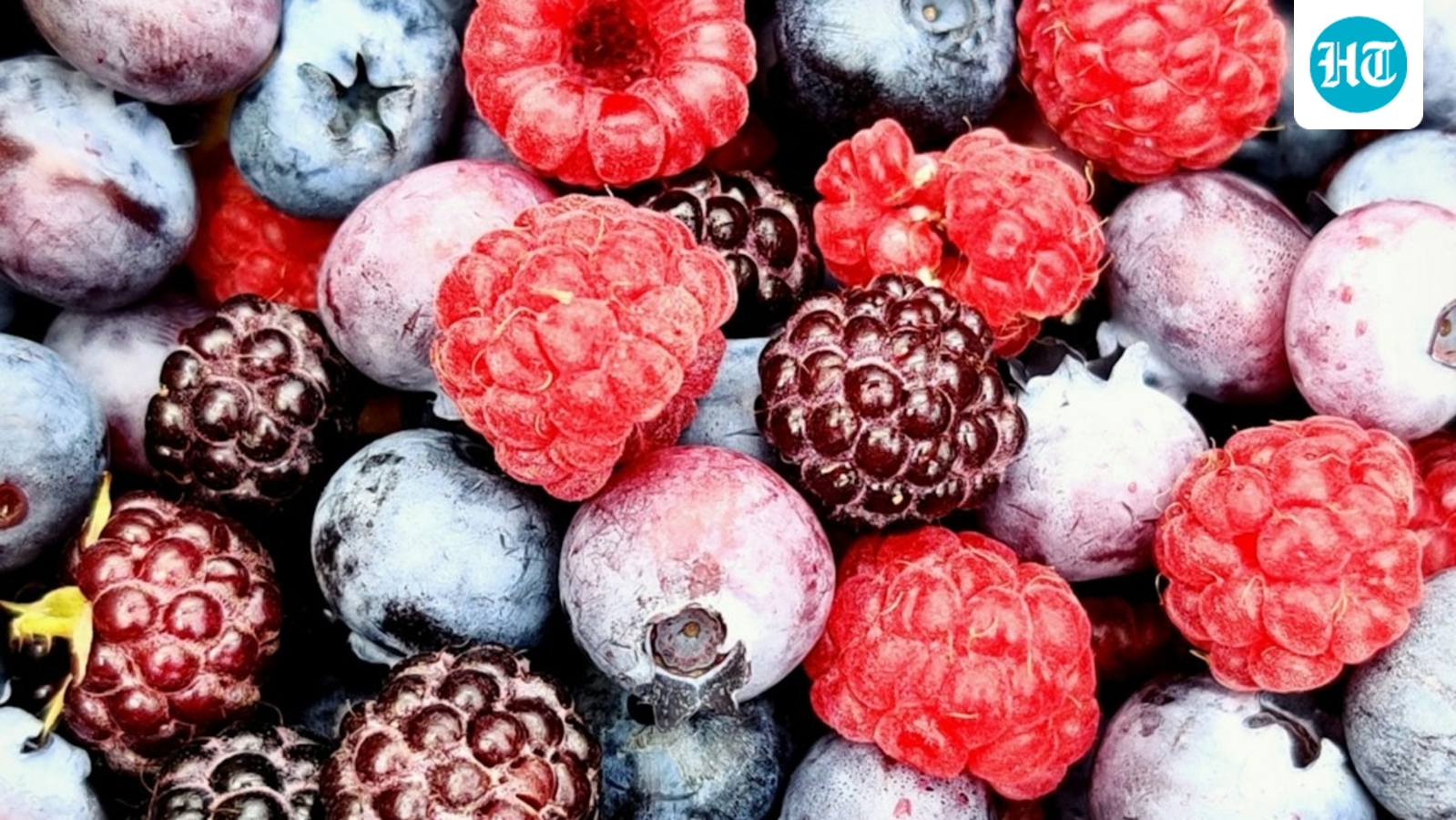
A4: Berries are packed with antioxidants that help in reducing oxidative stress and inflammation, thereby protecting the liver from damage. Matcha, a type of green tea, is rich in catechins, which have been shown to improve liver function by reducing fat accumulation and enhancing liver enzyme levels. These properties make both berries and matcha beneficial in managing and preventing fatty liver disease.
Q5: What are the complications associated with untreated fatty liver disease?
A5: If left untreated, fatty liver disease can progress to more severe conditions such as metabolic dysfunction-associated steatohepatitis (MASH), cirrhosis, liver cancer, and liver failure. Additionally, it can lead to liver-independent complications like cardiovascular disease, further emphasizing the importance of early intervention and management.
Q6: What is the impact of socioeconomic status and lifestyle on the risk of developing fatty liver disease?
A6: Socioeconomic status and lifestyle play significant roles in the risk of developing fatty liver disease. Higher socioeconomic status often correlates with better access to healthcare, healthier food choices, and more opportunities for physical activity, which can reduce the risk. Conversely, unhealthy lifestyle choices such as poor diet, sedentary behavior, and substance abuse increase susceptibility to the disease.
Q7: What role do antioxidants play in the management of fatty liver disease?
A7: Antioxidants are crucial in managing fatty liver disease as they help mitigate oxidative stress and inflammation in the liver. Compounds like sesaminol and catechins from foods such as sesame seeds and matcha have shown promise in reducing liver fat and enhancing liver function, thereby serving as potential therapeutic agents in the treatment of fatty liver disease.
References:
- Fatty liver disease
- Liver disease
- Sesaminol Ameliorates Metabolic and Alcohol-Related Liver Injury by Activating the PPARα/Slc27a5 Axis-Driven Hepatic Fatty Acid β-Oxidation.
- Association between provitamin A carotenoid-rich foods intake and metabolic dysfunction-associated steatotic liver disease risk: mediating effects of socioeconomic status and healthy lifestyle.