Summary
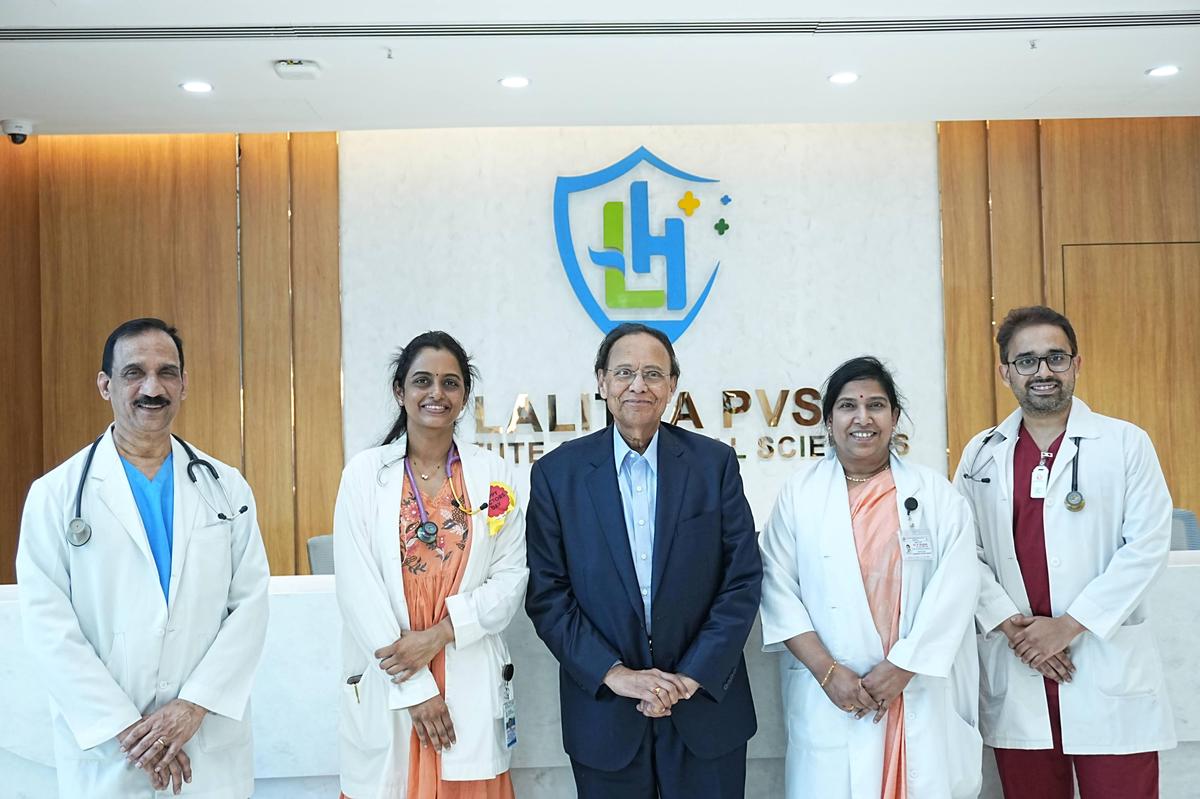
Dr. Nori emphasizes the vital role of local cancer care in enhancing patient access and treatment options in Guntur.
Source: The Hindu

AI News Q&A (Free Content)
Q1: Why is local cancer care crucial for patients, especially in regions like Guntur?
A1: Local cancer care facilities, such as those in Guntur, are vital as they provide comprehensive services like diagnostics and treatment under one roof, reducing the need for patients to travel to distant metropolitan centers. This improves access to timely care and enhances treatment outcomes by making it more convenient for patients to receive continuous and coordinated care.
Q2: What role does Dr. Dattatreyudu Nori play in advancing cancer care in India?
A2: Dr. Dattatreyudu Nori, an internationally renowned oncologist, has been instrumental in setting up hospitals and cancer care programs across India. He has pioneered techniques such as remote-afterloading brachytherapy to improve cancer treatment. His efforts focus on increasing awareness, prevention, and providing cost-effective treatment options, significantly contributing to the fight against cervical cancer among other types.
Q3: How do barriers to timely cancer treatment impact patient outcomes?
A3: Barriers such as lack of insurance, access to advanced imaging, and geographical challenges can prolong treatment times for patients with locally advanced cervical cancer. These delays can lead to worse outcomes, highlighting the importance of overcoming these barriers through predictive models and improved healthcare infrastructure.
Q4: What are the benefits of integrated cancer care centers?
A4: Integrated cancer care centers provide a holistic approach to treatment by offering a wide range of services including diagnosis, treatment, and psychological support in one location. This model reduces the logistical burden on patients and ensures a more seamless and coordinated care experience, which is crucial for successful cancer management.
Q5: What advancements in cancer treatment have been made in recent years?
A5: Recent advancements in cancer treatment include the development of immunotherapy and targeted therapies, which have significantly improved patient outcomes. These treatments are more personalized and have less severe side effects compared to traditional chemotherapy, representing a breakthrough in how cancer is treated.
Q6: How does the infrastructure in places like Lalitha PVS Institute of Medical Sciences support cancer patients?
A6: Lalitha PVS Institute of Medical Sciences in Guntur offers patient-friendly facilities and integrated cancer care, which includes chemotherapy day care units. This infrastructure supports patients by providing comprehensive care close to home, which is crucial for ongoing treatment and monitoring.
Q7: What are the challenges faced by childhood cancer patients in low-income countries?
A7: In low-income countries, childhood cancer patients face challenges such as limited access to modern treatments and high mortality rates. Lack of resources and infrastructure leads to late diagnoses and inadequate management, making it essential to address these disparities to improve outcomes.
References:
- The Hindu
- Weill Cornell Medicine - Meyer Cancer Center
- Elsevier Inc.