Summary
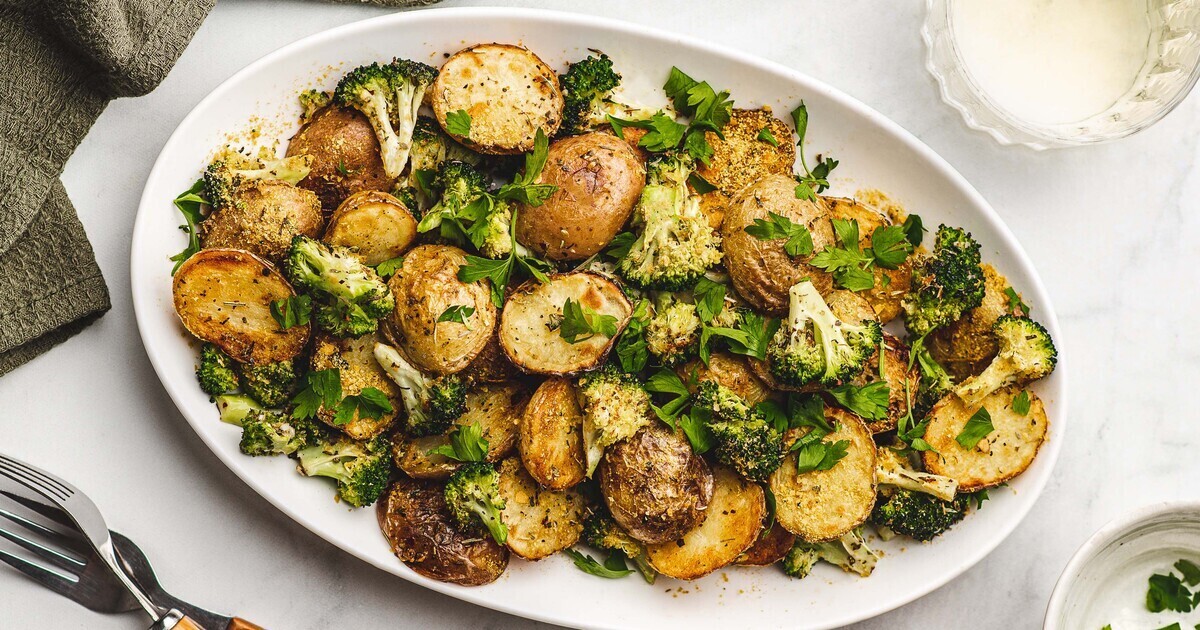
Nutritional yeast is the perfect finishing touch to this sheet-pan meal packed with roasted-to-perfection potatoes and broccoli.
Source: Vegnews

AI News Q&A (Free Content)
Q1: What are the nutritional benefits of nutritional yeast and how is it used in vegan cooking?
A1: Nutritional yeast is a deactivated yeast that provides a variety of essential nutrients, including B-complex vitamins and protein. Often fortified with vitamin B12, it is a staple in vegan diets due to its cheesy flavor and nutrient density. It is used as a cheese substitute in vegan cooking, enhancing dishes such as pasta, soups, and stews with its umami flavor. It is also rich in protein and fiber, making it a filling addition to meals. (Source: Wikipedia, Nutriscan)
Q2: Why is fortified nutritional yeast important for vegans, particularly concerning vitamin B12?
A2: Fortified nutritional yeast is crucial for vegans as it provides a reliable source of vitamin B12, which is typically found in animal products. This vitamin is essential for nerve function and the production of DNA and red blood cells. Unfortified versions do not contain B12, so it is vital to check labels when using nutritional yeast as a primary B12 source. (Source: Nutriscan, EatThisMuch)
Q3: How does nutritional yeast contribute to weight loss and satiety?
A3: Nutritional yeast supports weight loss by being low in calories and high in protein and fiber, which help promote fullness and reduce cravings. Two tablespoons contain 50 calories, 8g of protein, and 4g of fiber, making it a satisfying addition to meals without adding excessive calories. (Source: Nutriscan, MyFoodData)
Q4: What recent scientific studies have explored the applications of nutritional yeast in food science?
A4: Recent studies such as the one by Lubnaa Abdur Rahman et al. have explored food recognition and nutritional apps, which could enhance dietary management with ingredients like nutritional yeast. Another study by Alexander Kwarteng et al. focuses on fermentation processes involving yeast, highlighting its role in food safety and microbial diversity. (Source: Food Recognition and Nutritional Apps; Brukina in Focus: A Narrative Review)
Q5: What are some creative ways to incorporate nutritional yeast into vegan meals?
A5: Nutritional yeast can be creatively used in vegan meals such as vegan mac and cheese, pesto, and tofu scrambles. It adds a cheesy flavor to sauces, soups, and even popcorn. It's versatile enough to enhance the taste of various dishes while providing nutritional benefits. (Source: The Edgy Veg, Forks Over Knives)
Q6: What are the differences between nutritional yeast and yeast extract?
A6: Nutritional yeast and yeast extract differ mainly in production and use. Nutritional yeast consists of whole-cell inactive yeast, providing a cheesy flavor and nutritional benefits. Yeast extract, on the other hand, is made by breaking down yeast cells to extract soluble proteins, often used as a flavoring agent in processed foods for its umami taste. (Source: Wikipedia)
Q7: How does nutritional yeast compare to other protein sources in terms of nutritional content?
A7: Nutritional yeast provides about 50g of protein per 100g, making it comparable to other protein sources like spirulina, which offers 57g. It is lower in calories and fat compared to Parmesan cheese and almond flour, making it an excellent choice for those seeking a high-protein, low-calorie option. (Source: Nutriscan, MyFoodData)
References:
- Wikipedia: Nutritional yeast
- Nutriscan: Nutrition Facts of Nutritional Yeast
- The Edgy Veg: Vegan Nutritional Yeast Recipes
- Forks Over Knives: Tasty Recipes Featuring Nutritional Yeast
- MyFoodData: Nutrition Facts
- EatThisMuch: Nutritional Yeast Nutrition
- Food Recognition and Nutritional Apps
- Lubnaa Abdur Rahman et al.