
Summary
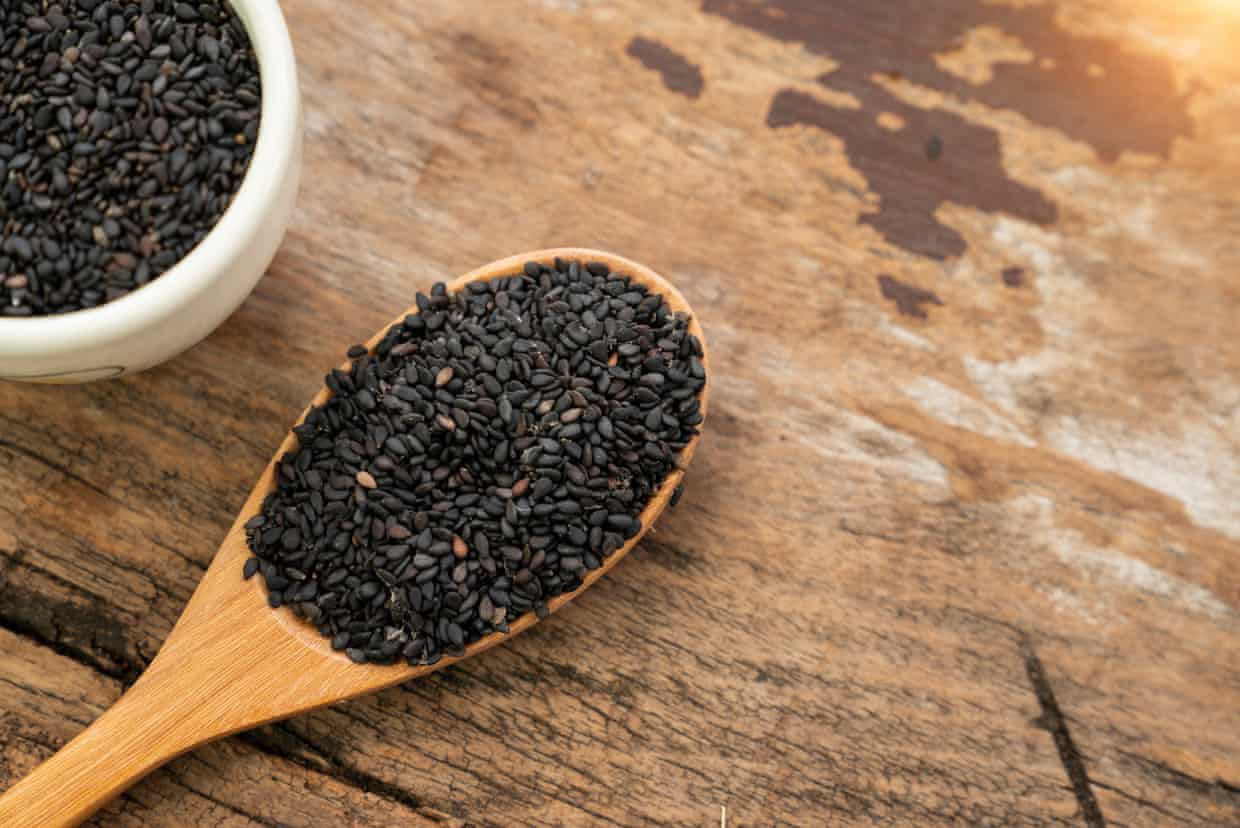
The nutty seed is an essential dessert flavor in Asia and is now forecasted to be a top food trend in the US this yearIn many parts of Asia, black sesame is an essential dessert flavor. The nutty, mildly bittersweet seed appears in ice-cream parlors and doughnut shops alongside matcha and ube offerings as standard as chocolate, vanilla, and strawberry are stateside, says Sophie Hung, a California-based registered dietitian nutritionist who grew up in Hong Kong.Now, black sesames popularity is growing in the US, with Yelp naming it a top food trend for 2026 based on user data (searches for black sesame matcha are up almost 150% since 2023). Yet, beyond its appealing flavor and striking color, what exactly are you getting nutritionally when you add black sesame to your diet? Continue reading…
Source: The Guardian

AI News Q&A (Free Content)
Q1: What are the key nutritional components of black sesame seeds, and how do they contribute to health?
A1: Black sesame seeds are rich in proteins, healthy fats, fiber, and a variety of essential vitamins and minerals such as calcium, iron, magnesium, and zinc. These components contribute to heart health by lowering bad cholesterol levels, support bone health with their high calcium content, and enhance brain function due to nutrients like vitamin B6 and magnesium. The seeds' antioxidants also help protect the skin and improve cognitive functions, providing a broad range of health benefits.
Q2: How do black sesame seeds impact cardiovascular health according to recent studies?
A2: Recent studies indicate that black sesame seeds are beneficial for cardiovascular health due to their high content of polyunsaturated fats and antioxidants. These compounds help reduce LDL cholesterol levels and improve heart disease risk factors, such as high blood pressure. The presence of healthy fats supports cardiovascular function and can lower the risk of heart diseases when they replace more refined fats in the diet.
Q3: What are the historical and modern uses of black sesame seeds in traditional and contemporary medicine?
A3: Historically, black sesame seeds have been used in traditional Chinese medicine for their liver- and kidney-nourishing properties. Modern applications extend these uses, with studies highlighting their antioxidant, anti-inflammatory, anticancer, neuroprotective, antihypertensive, and antidiabetic properties. These seeds are recognized not only for their medicinal benefits but also for their nutritional value, making them a popular ingredient in both traditional remedies and contemporary health supplements.
Q4: In what ways can black sesame seeds be incorporated into the diet to maximize their health benefits?
A4: Black sesame seeds can be incorporated into the diet by adding them to smoothies, salads, baked goods, and desserts. They can also be used as a topping for yogurt or oatmeal. Their rich flavor and texture make them a versatile ingredient that can enhance both the nutritional value and taste of a variety of dishes. Regular consumption can help improve bone health, support heart health, and boost cognitive functions.
Q5: What specific health benefits are associated with the consumption of black sesame seeds based on recent scientific research?
A5: Recent scientific research has identified several health benefits of black sesame seeds, including antioxidant and anti-inflammatory effects, which contribute to reducing oxidative stress. They have been shown to improve insulin resistance, protect against obesity, and support liver health. The seeds also contain lignans and beneficial unsaturated fatty acids, which further enhance their health-promoting properties.
Q6: Are there any differences between black sesame seeds and white sesame seeds in terms of nutritional and health benefits?
A6: Black sesame seeds differ from white sesame seeds primarily in their content of beneficial plant chemicals, amino acids, proteins, and antioxidants. Black sesame seeds contain more lignans and certain beneficial unsaturated fatty acids, which might offer enhanced health benefits. While both types of seeds are nutritious, black sesame seeds are noted for having a stronger flavor and more nutrients, making them a potentially more beneficial choice.
Q7: What are some potential applications of black sesame seeds in the food industry?
A7: Black sesame seeds hold promise for various applications in the food industry due to their nutritional benefits and organoleptic properties. They can be used as nutritional supplements, in innovative food packaging solutions, and as ingredients in health-focused food products. Their rich nutrient composition and bioactive compounds make them appealing for developing products that promote cardiovascular health and overall wellness.