Summary
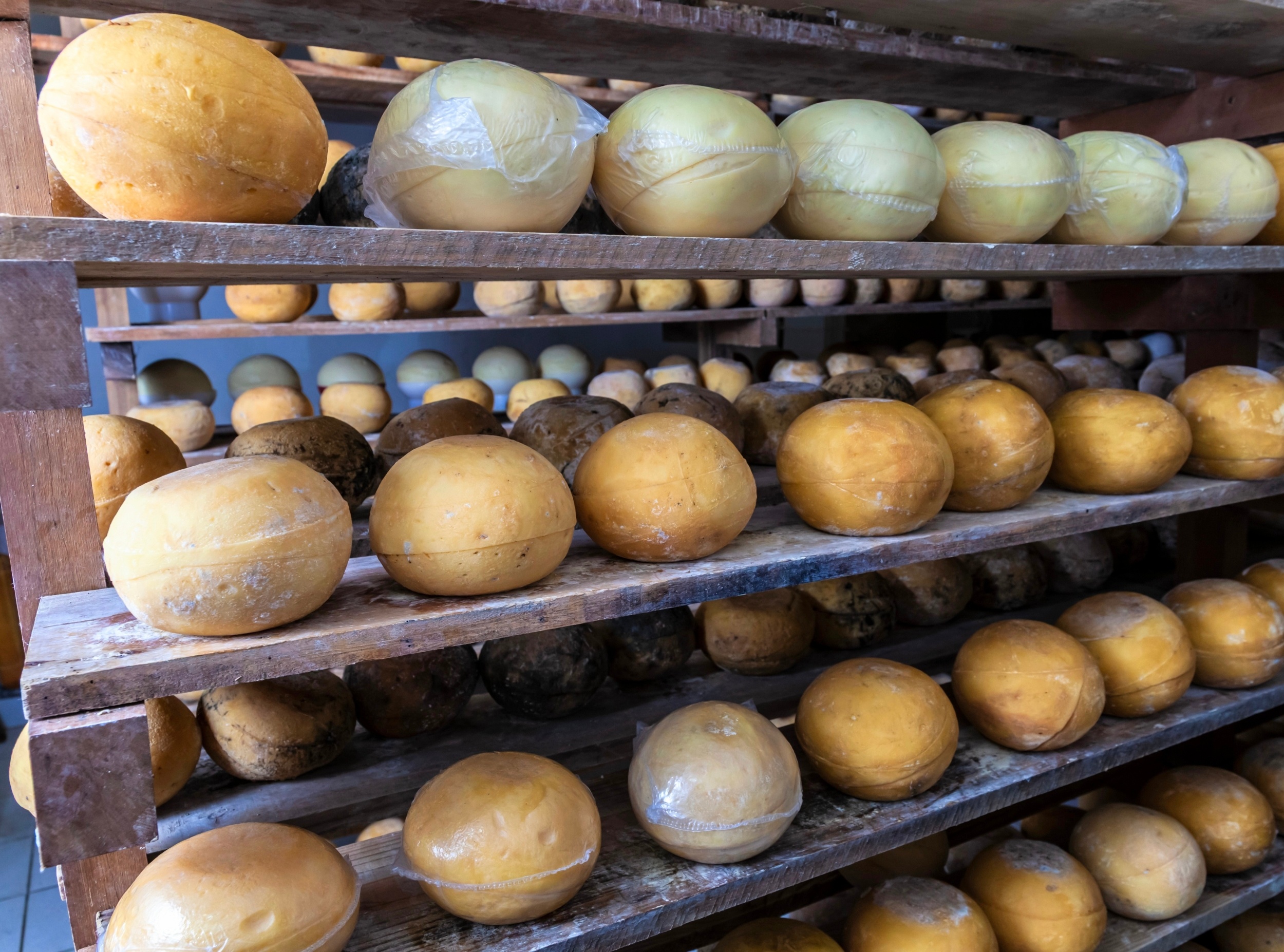
Scientists studied British artisan cheeses and found that aging changes their microbes and chemistry in ways that may support gut health.
Source: Earth.com

AI News Q&A (Free Content)
Q1: How does the aging process of artisan cheeses affect their microbial composition and potential benefits to gut health?
A1: The aging process in artisan cheeses significantly alters their microbial and chemical composition. Studies show that as cheese ages, the microbial diversity increases, potentially enhancing its probiotic effects. This transformation may contribute to gut health by introducing beneficial bacteria that support a healthy gut microbiome, potentially aiding in digestion and boosting immunity.
Q2: What are the potential health risks associated with consuming raw milk, and how do these risks compare to the benefits of artisan cheeses?
A2: Raw milk consumption is associated with significant health risks, including exposure to potentially dangerous pathogens due to the absence of pasteurization. Despite claims of better flavor and nutrition, the medical community broadly agrees that these risks outweigh any benefits. In contrast, artisan cheeses, often made from pasteurized milk, undergo extensive microbial changes during aging, which may offer gut health benefits without the same level of risk.
Q3: What recent scientific advancements have been made in analyzing the microbiome of artisan cheeses?
A3: Recent advancements include the use of high-dimensional data analysis techniques, such as knockoff methods, to study the intricate microbial diversity in artisan cheeses. These techniques help in identifying beneficial microbial species while controlling false discoveries, leading to new insights into how these microbes can positively affect gut health.
Q4: How might antibiotic resistance in fermented foods like artisan cheeses pose a risk to public health?
A4: Studies have found a high prevalence of antibiotic-resistant bacteria in fermented foods, including artisan cheeses. This poses a risk to public health as these bacteria can contribute to an increase in the gut antibiotic resistome, particularly affecting individuals with compromised immune systems. The presence of antibiotic resistance genes in these foods underscores the need for careful regulation and innovation in food safety practices.
Q5: Can you explain the potential role of artisan cheese in replenishing damaged gut microbiota?
A5: Artisan cheeses can play a role in replenishing damaged gut microbiota due to their complex microbial communities. These cheeses contain various beneficial bacteria that can help restore balance in the gut microbiome, especially after antibiotic use or in cases of gut dysbiosis. However, the presence of antibiotic-resistant bacteria also necessitates caution.
Q6: What are the implications of the changes in microbial diversity in artisan cheeses for consumers seeking plant-based diets?
A6: For consumers on plant-based diets, the increased microbial diversity in artisan cheeses may offer a valuable source of probiotics. While not plant-based, these cheeses provide beneficial bacteria that could complement a plant-based diet by supporting gut health. However, consumers need to weigh these benefits against potential ethical and dietary preferences.
Q7: How do current regulations address the sale and consumption of raw milk and artisan cheeses across different countries?
A7: Regulations for raw milk and artisan cheeses vary globally. Many countries, like those in the European Union, allow the sale of raw milk with strict labeling requirements, while others impose outright bans. Artisan cheeses, often made from pasteurized milk, face fewer restrictions, but their production is still subject to food safety standards to minimize health risks.
References:
- Raw milk - Wikipedia, https://en.wikipedia.org/wiki/Raw_milk
- Statistical Methods for Microbiome Analysis: A brief review, https://arxiv.org/abs/2303.08956
- High Prevalence of Antibiotic Resistance in Traditionally Fermented Foods as a Critical Risk Factor for Host Gut Antibiotic Resistome, https://arxiv.org/abs/2407.08890
- Aggregating Knockoffs for False Discovery Rate Control with an Application to Gut Microbiome Data, https://arxiv.org/abs/2103.00001