Summary
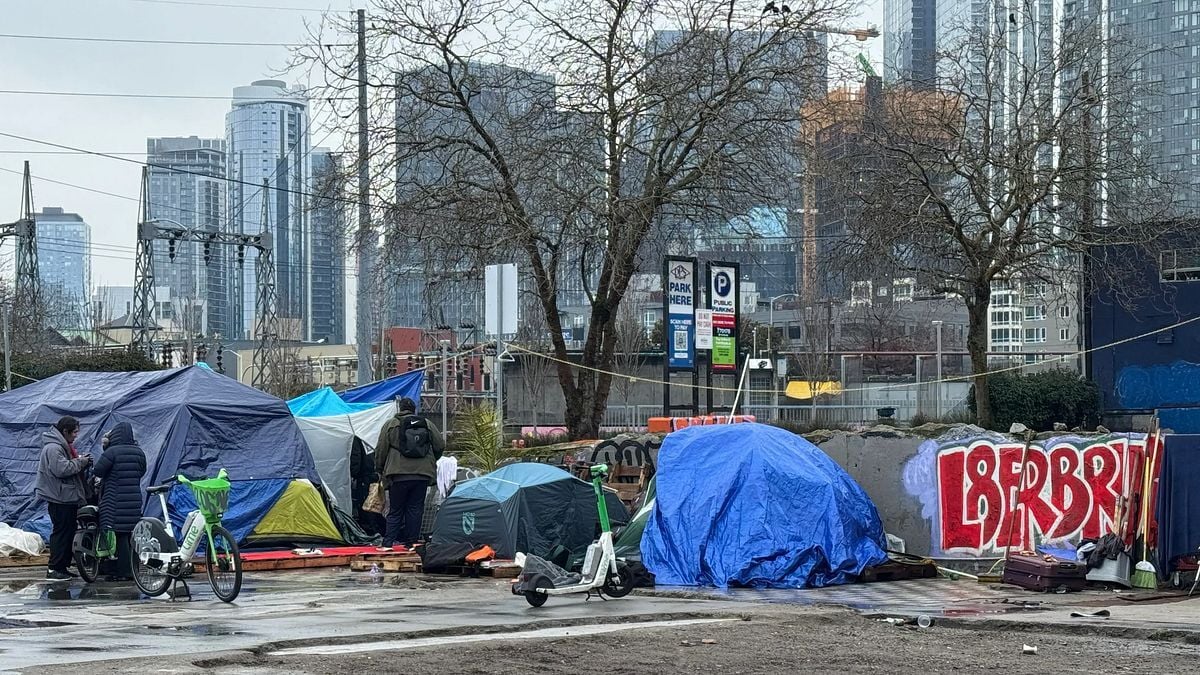
Homelessness is predicted to rise, while policies predicted to lower the homeless numbers only address part of the cause, according to analysts. The annual Point-In-Time (PIT) count, conducted by the Continuums of Care for the U.S. Department of Housing and Urban Development (HUD), is a onceayear estimate nationwide of the number of people experiencing homelessness, […] The post Analysis: Homelessness predicted to rise despite policy efforts appeared first on The Black Chronicle .
Source: The Black Chronicle

AI News Q&A (Free Content)
Q1: What factors are contributing to the rising homelessness in the United States despite policy efforts?
A1: The rise in homelessness in the United States is largely attributed to an increasingly severe housing shortage and rising home prices. Socio-economic factors, such as lack of affordable housing, play a more significant role compared to mental illness and addiction. Cities on the West Coast, which have higher housing costs, experience homelessness rates that are five times those of areas with lower housing costs, even though the latter have higher rates of opioid addiction and poverty.
Q2: How has the U.S. Supreme Court's ruling on anti-camping laws affected homelessness policies?
A2: In City of Grants Pass v. Johnson (2024), the U.S. Supreme Court ruled that anti-camping laws do not constitute a cruel and unusual punishment under the 8th Amendment, even when no shelter is available. This decision allows cities to jail and fine homeless individuals for sleeping and camping outside, impacting policies related to homelessness and enforcement.
Q3: What are the key findings of recent scholarly research on homelessness and housing affordability?
A3: Recent research highlights that rent increases are strongly predictive of rising homelessness rates, but rent decreases have little impact. This asymmetry suggests that homelessness is fundamentally a housing problem. Effective policies need to address both housing market interventions and barriers faced by homeless individuals, such as employment and social services.
Q4: How does explainable machine learning contribute to public policy decisions related to homelessness?
A4: Explainable machine learning can aid public policy by providing clarity on complex data-driven decisions. In homelessness policy, this involves mapping existing machine learning methods to real-world use cases, identifying gaps, and developing targeted methods for practical societal impact. These approaches help policymakers understand and address homelessness more effectively.
Q5: What historical events have influenced the current state of homelessness in the United States?
A5: Historically, homelessness became a national issue in the 1870s with urbanization. The Great Depression in the 1930s and the Great Recession of the late 2000s significantly increased homelessness. Economic downturns and housing market fluctuations have consistently impacted homelessness rates, culminating in record increases in 2022 and 2023.
Q6: How do health complications affect the homeless population, and what measures can address these issues?
A6: Health complications are a major concern for the homeless, as they face challenges like inadequate hygiene, lack of access to healthy food, and exposure to extreme weather and violence. These factors contribute to higher mortality rates. Addressing these issues requires integrated health services, accessible housing, and support systems tailored to the needs of homeless individuals.
Q7: What are the implications of using recreational vehicles (RVs) as a housing solution for homelessness?
A7: Many Americans unable to afford traditional housing live in RVs, with about a million people residing full-time in RVs. While some choose this lifestyle, others resort to it due to economic necessity. This trend highlights the need for policies that increase affordable housing options and address the underlying economic factors driving this form of homelessness.
References:
- Homelessness in the United States
- Sticky Homelessness
- Explainable Machine Learning for Public Policy: Use Cases, Gaps, and Research Directions