Summary
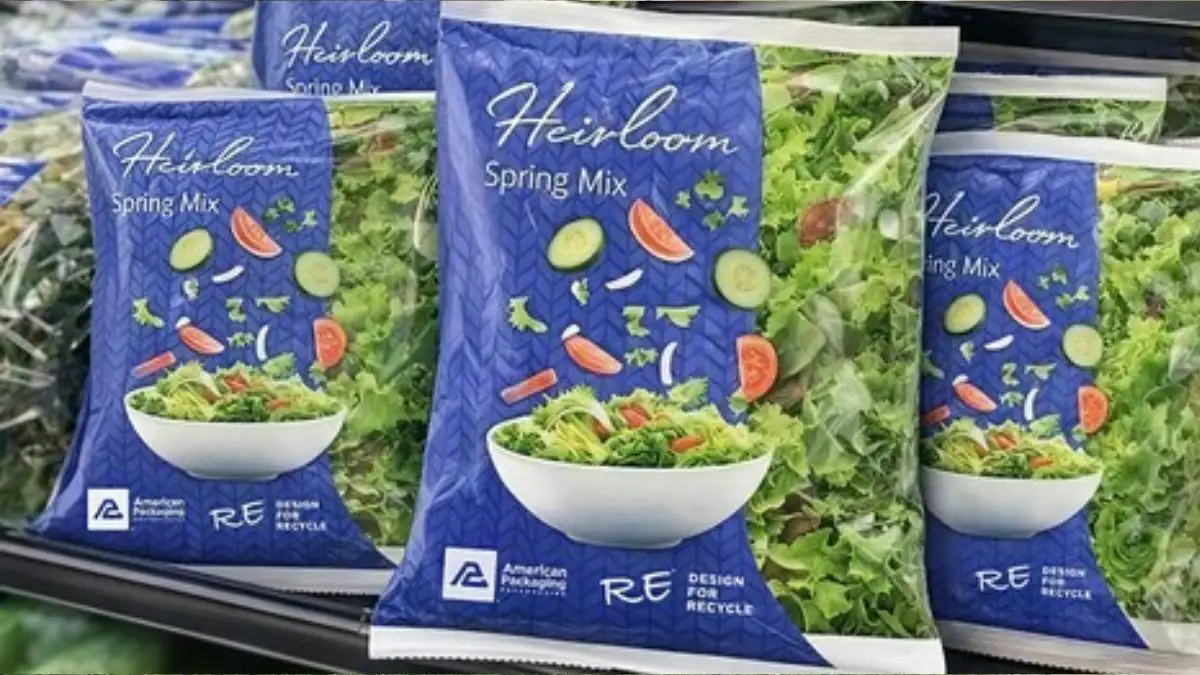
American Packaging Corporation has highlighted its latest flexible packaging solutions for fresh produce, focusing on extending shelf life, reducing food waste and improving shelf appeal as retailers and suppliers seek more sustainable packaging options.
The US packaging company said its solutions …
Source: Grocery Trade News

AI News Q&A (Free Content)
Q1: What are the recent developments in flexible packaging solutions offered by the American Packaging Corporation for fresh produce?
A1: American Packaging Corporation (APC) has developed innovative flexible packaging solutions to extend the shelf life of fresh produce. Their packaging features include targeted oxygen and moisture-vapor transmission rates designed to optimize freshness. Additionally, they offer convenience features such as anti-fog windows and easy open/reseal closures, enhancing product visibility and consumer convenience. APC's packaging solutions are aimed at reducing food waste while maintaining the quality of vegetables and fruits.
Q2: How does sustainable packaging contribute to reducing food waste in the food industry?
A2: Sustainable packaging plays a crucial role in reducing food waste by extending the shelf life of products and minimizing spoilage. Innovative packaging solutions, like flexible packaging, protect food products while being lightweight and resource-efficient. By using recyclable and compostable materials, sustainable packaging not only reduces food waste but also decreases the environmental impact of packaging itself. Companies adopting these practices can significantly cut down on food waste while supporting sustainability goals.
Q3: What are the benefits of using bioactive packaging systems for shelf-life extension, as noted in recent research?
A3: Recent studies have highlighted the use of bioactive packaging systems incorporating natural compounds like anthocyanins and zinc oxide nanoparticles for shelf-life extension. These systems provide strong antioxidant and antibacterial effects, which help in preserving the freshness of products like Nile perch. Such packaging solutions not only delay spoilage but also offer visual indicators of food quality through color transitions, making them effective for real-time freshness monitoring.
Q4: How is the concept of shelf life viewed as an investment rather than an expense in the food industry?
A4: Extending the shelf life of food products is increasingly seen as an investment in the food industry rather than an expense. By prolonging shelf life, companies can reduce food waste, lower disposal costs, and enhance operational efficiency. This shift in perspective emphasizes the long-term financial and environmental benefits, as longer shelf lives lead to reduced spoilage, decreased resource usage, and improved customer satisfaction.
Q5: What are some eco-friendly packaging options available for food businesses aiming to enhance sustainability?
A5: Food businesses can choose from a variety of eco-friendly packaging options to enhance sustainability. Popular choices include compostable containers made from materials like cornstarch and sugarcane, which break down quickly in composting environments. These options are not only environmentally friendly but also align with the growing consumer demand for sustainable products, helping businesses reduce waste and appeal to eco-conscious customers.
Q6: How does consumer demand influence the shift towards sustainable packaging solutions in the food industry?
A6: Consumer demand significantly influences the shift towards sustainable packaging solutions in the food industry. As consumers become more environmentally conscious, they prefer products with minimal or recyclable packaging. This demand drives companies to adopt sustainable practices, leading to innovations in packaging materials that reduce carbon footprints and environmental impact. By meeting consumer expectations, companies can enhance their brand image and remain competitive in the market.
Q7: What strategic approaches are recommended for implementing sustainable packaging solutions in the food industry?
A7: Implementing sustainable packaging solutions in the food industry involves several strategic approaches. Key strategies include using the correct-sized packaging to reduce waste, selecting the right materials like compostable or recyclable options, and incorporating automation in packaging processes to enhance productivity. These strategies help companies reduce transportation costs and waste, ultimately supporting their sustainability goals and improving overall operational efficiency.