Summary
Soy sauce, shoyu in Japanese, is such a common condiment and ingredient that its important role in building the flavors of the standard Japanese table can often be overlooked. A glimpse of some of the ways shoyu makes its presence felt in Japanese cuisine.
Source: Nippon

AI News Q&A (Free Content)
Q1: What are the traditional ingredients used in making soy sauce, and how has its preparation evolved over time?
A1: Soy sauce, a staple of East Asian cuisine, traditionally includes fermented soybeans, roasted grain, brine, and molds like Aspergillus oryzae. Originating over 2,200 years ago during the Western Han dynasty, its preparation has evolved from simple fermentation to more refined processes enhancing its umami flavor, making it integral to global cooking.
Q2: How is shoyu used in Japanese cuisine, and what are some popular dishes that feature it?
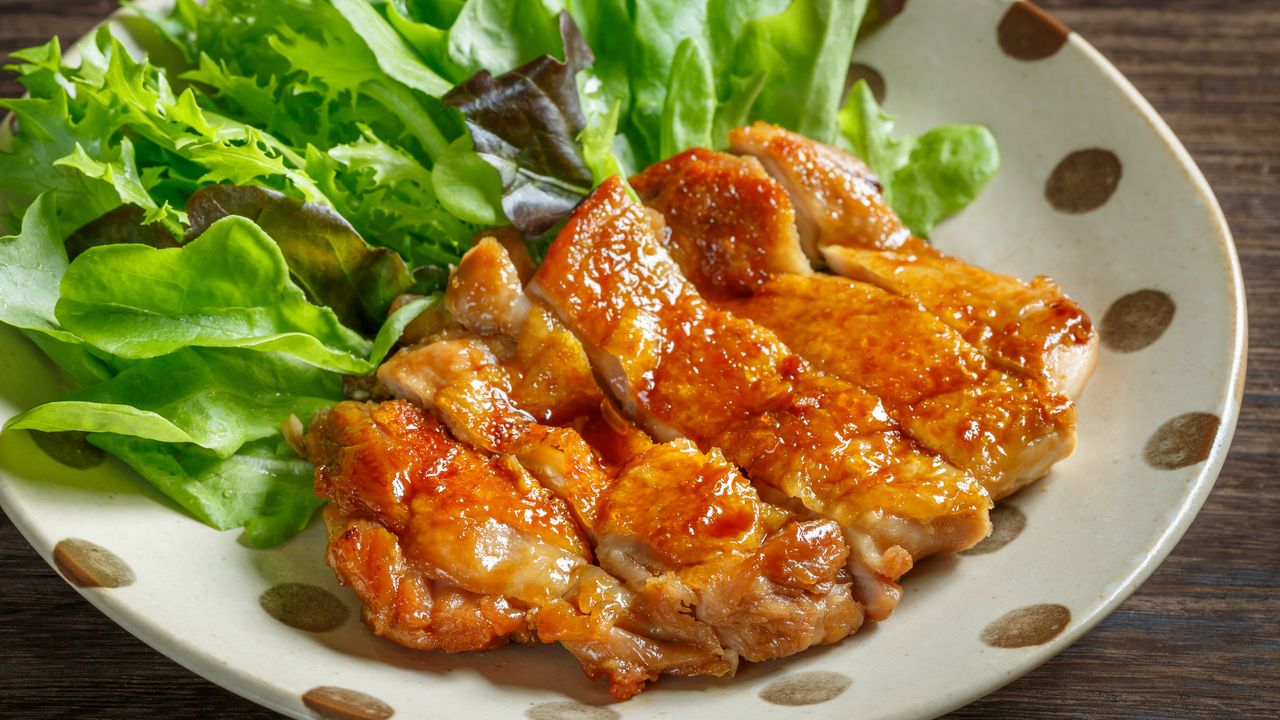
A2: Shoyu, or Japanese soy sauce, is a versatile condiment in Japanese cuisine used in a variety of dishes. It is commonly used as a dip for sushi and sashimi, and as a drizzle over dishes like nattō and hiyayakko. Popular dishes featuring shoyu include teriyaki, where it forms a glaze with mirin and sugar, and yakitori, with skewers marinated and grilled to perfection.
Q3: What health benefits are associated with soy sauce according to recent scientific research?
A3: Recent research highlights soy sauce's potential health benefits, largely due to its isoflavone content. These phytoestrogens may contribute to health benefits, although the EFSA notes that evidence for their effectiveness is still insufficient. Isoflavones are believed to have estrogen receptor activity, impacting health positively when consumed in moderation.
Q4: What are the latest innovations in plant-based meat alternatives involving soy protein, and how are they significant?
A4: Innovations in plant-based meat alternatives have seen the use of dietary fiber from Tremella fuciformis stems to enhance the texture and structure of soy protein extrudates. This advancement improves the fibrous architecture and water distribution, offering a sustainable alternative to traditional meat products by utilizing by-products from edible fungi processing.
Q5: How does the consumption of soy sauce potentially impact food allergies, and what solutions are available?
A5: Soy sauce can be a concern for individuals with soy allergies, though fermentation reduces some allergenic proteins. Alternatives like coconut aminos offer a soy-free option, but individuals should consult allergists for personalized advice. Innovative food processing techniques continue to emerge, aiming to reduce allergenic properties in soy products.
Q6: What role does shoyu play in the preparation of ramen, and how does it contribute to the dish's flavor profile?
A6: In ramen, shoyu acts as a primary flavor enhancer in the broth, imparting a strong umami taste. It combines with other ingredients like meat-based broths and toppings such as scallions and nori, creating a complex and satisfying flavor profile that is quintessential in Japanese noodle dishes.
Q7: How has Japanese cuisine adapted soy sauce for use in international dishes, and what are some examples?
A7: Japanese cuisine has adapted soy sauce for international dishes, notably through sauces like ponzu, which mixes citrus with shoyu, enhancing dishes like sashimi and shabu-shabu. This adaptation has allowed the umami-rich flavor of soy sauce to complement a wide range of global culinary styles, increasing its versatility and appeal.