
Summary
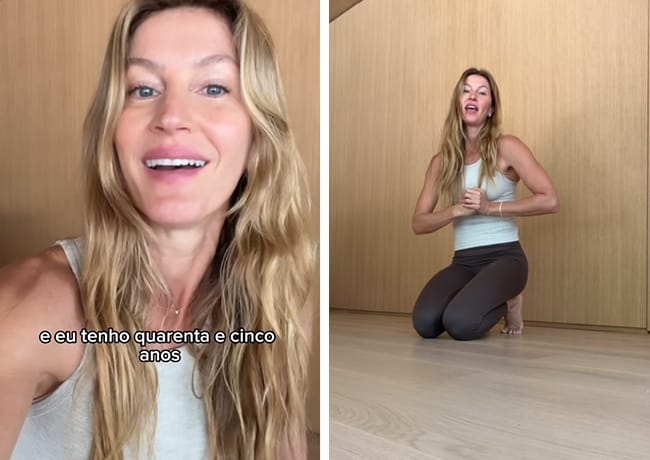
Saumya Tandon believes fitness is a lifelong commitment and not something to be paused. She asserted to never stop, even with a knee injury, pregnancy, or sciatica.
Source: The Sentinel

AI News Q&A (Free Content)
Q1: What are the benefits of maintaining lifelong fitness and how does it impact overall quality of life?
A1: Lifelong fitness offers numerous benefits that significantly enhance quality of life. Engaging in regular physical activity can improve functional status, promote independence, and reduce the risk of premature death. High levels of musculoskeletal fitness help individuals meet daily demands and maintain independence longer. Even modest fitness improvements can result in substantial health gains, including a 44% reduction in the relative risk of death for sedentary individuals who become active. [Source: PMC1402378]
Q2: How can exercise contribute to injury recovery, such as from a knee injury or sciatica?
A2: Exercise plays a crucial role in injury recovery by enhancing muscle strength and flexibility, which can mitigate pain and improve mobility. For instance, intensive task-specific training, supplemented with strength training, has shown promise in enhancing neurological recovery in spinal cord injuries by leveraging activity-dependent spinal plasticity. This approach could be adapted for recovery from injuries like knee issues or sciatica, promoting faster recovery and functional improvements. [Source: Safety and efficacy of intensive task-specific training in people with recent spinal cord injury]
Q3: What are the immediate and long-term benefits of physical activity for older adults?
A3: For older adults, physical activity offers both immediate and long-term benefits. Immediately, it can reduce anxiety, lower blood pressure, and improve sleep. Over the long term, it reduces the risk of chronic diseases such as cardiovascular disease, type 2 diabetes, and certain cancers. Staying active helps maintain functional independence, supports mental health, and can enhance longevity. [Source: National Institute on Aging]
Q4: What does recent research suggest about the balance between moderate and vigorous physical activity for longevity?
A4: Recent studies indicate that a balanced combination of moderate and vigorous physical activity offers the most significant benefits for longevity. Individuals who engage in both types of exercise can achieve a reduction in mortality risk by up to 42%. Specifically, 150-300 minutes of moderate and 75-150 minutes of vigorous activity per week can optimize health outcomes. [Source: AMA study on exercise]
Q5: How does regular exercise combat various health conditions and diseases?
A5: Regular exercise can significantly lower the risk of developing several health conditions. It boosts HDL cholesterol while lowering unhealthy triglycerides, reducing the risk of cardiovascular diseases. Exercise also helps control weight, improves mood, and enhances energy levels, contributing to overall health and disease prevention. [Source: Mayo Clinic]
Q6: What is the role of physical activity in improving mental and emotional health?
A6: Physical activity plays a vital role in enhancing mental and emotional health by reducing feelings of depression and anxiety, improving sleep quality, and boosting overall emotional well-being. It may also improve cognitive functions, such as the ability to switch tasks quickly and plan activities. Exercising in social settings adds the benefit of social connections, further supporting mental health. [Source: National Institute on Aging]
Q7: Why is consistency in physical activity important, and how can small changes in daily habits contribute to fitness?
A7: Consistency in physical activity is crucial because regular exercise yields cumulative health benefits. Small changes, such as taking the stairs instead of the elevator or engaging in active household chores, contribute to overall fitness. These habits help maintain a healthy weight, improve cardiovascular health, and enhance mood and energy levels. [Source: Mayo Clinic]
References:
- PMC1402378
- Safety and efficacy of intensive task-specific training in people with recent spinal cord injury
- , "National Institute on Aging
- AMA study on exercise
- Mayo Clinic