
Summary
By Ellie Fideli
Medill Reports
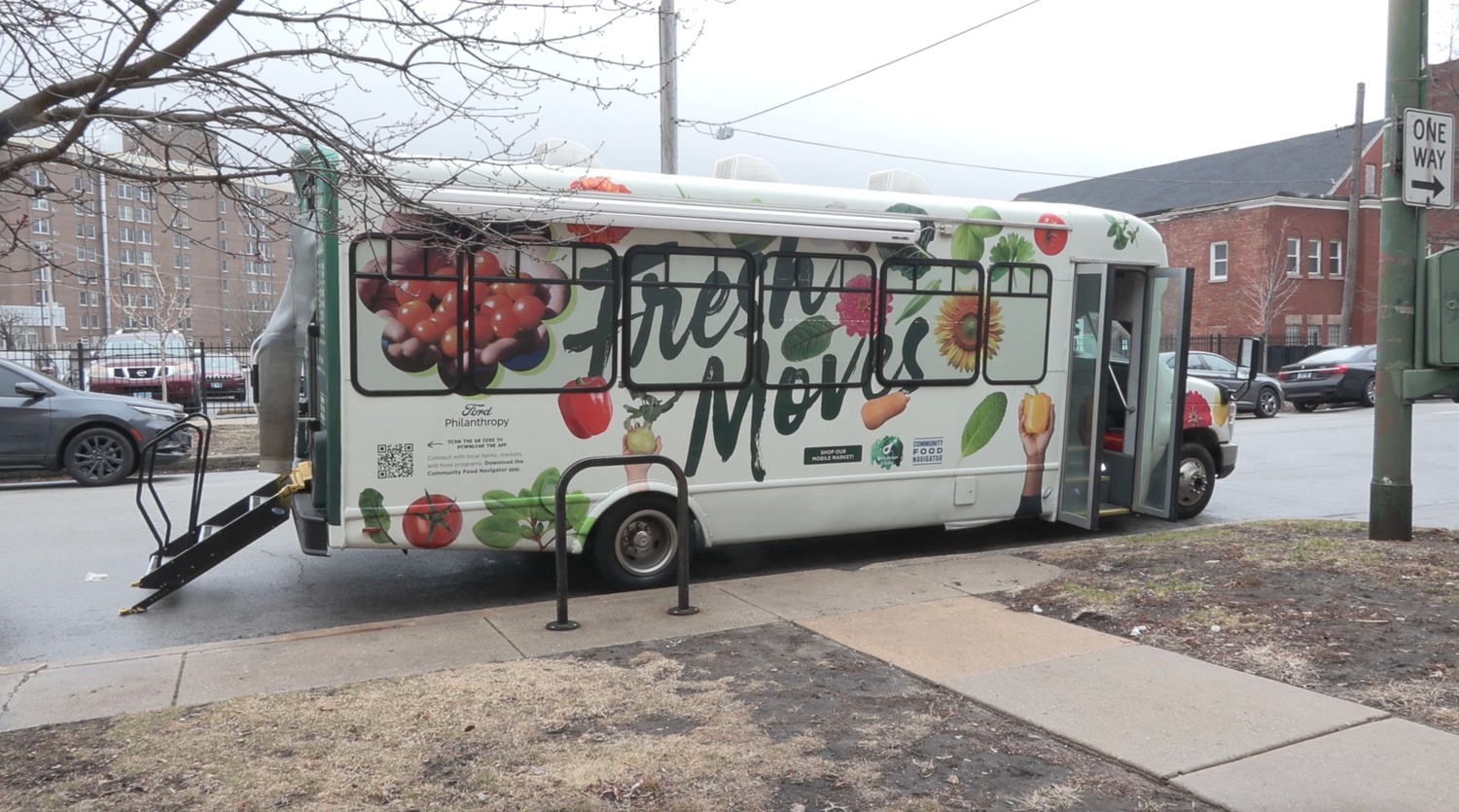
More than 17 million people in the U.S. live under food redlining that is, they lack nearby access to fresh, healthy groceries. In Chicago, the Urban Growers Collective uses a produce aisle on wheels to deliver high-quality fruits and vegetables directly to div…
Source: Northwestern University

AI News Q&A (Free Content)
Q1: What are food deserts and how do they impact communities in the United States?
A1: Food deserts are areas with limited access to affordable and nutritious food, primarily affecting low-income communities. According to the USDA, around 39.5 million people in the U.S. lived in such conditions as of 2017. These areas often lack supermarkets, leading to reliance on convenience stores and fast food, which can contribute to obesity, diabetes, and cardiovascular diseases due to a lack of fresh produce and nutrient-rich foods. The issue is more pronounced in Black communities, where access to supermarkets is significantly limited.
Q2: How does the Urban Growers Collective in Chicago address the challenges posed by food deserts?
A2: The Urban Growers Collective (UGC) is a Black- and women-led non-profit in Chicago that supports community-based food systems. They operate farms that provide fresh produce through mobile markets, CSA programs, and wholesale to local businesses. Their initiatives aim to improve public health and stimulate local economies by providing access to fresh food and offering training programs for new farmers, thereby addressing the inequities and barriers in food systems, especially in communities of color.
Q3: What innovative approaches are being used to tackle food deserts, according to recent scholarly articles?
A3: Recent innovations include using blockchain technology for transparent food supply chains and employing geospatial mapping and machine learning to identify and serve underprivileged areas. These technologies help in tracking food distribution and improving access to fresh foods, which can bridge the gaps in food deserts by ensuring that food reaches those who need it most.
Q4: How do food deserts affect public health, and what solutions are proposed in recent research?
A4: Food deserts contribute to health issues like obesity and diabetes due to the scarcity of nutritious food options. Research suggests that improving access through urban agriculture initiatives and integrating technology in food distribution can help mitigate these health impacts. Community engagement and policy support are also crucial to sustainably address food insecurity.
Q5: What socioeconomic factors contribute to the persistence of food deserts in urban areas?
A5: Economic segregation, the migration of wealthier households to suburbs, and the decline of inner-city supermarkets contribute to food deserts. These factors limit affordable food options for low-income residents who often lack transportation. Addressing these requires strategic urban planning and investment in local food systems to ensure equitable access to healthy food.
Q6: What role does technology play in improving food access in areas identified as food deserts?
A6: Technology, such as blockchain and IoT, plays a significant role by enhancing transparency and traceability in food supply chains. These technologies ensure that food safety standards are met and help in efficiently distributing food to underserved areas, thereby improving food access and safety.
Q7: How can community-based programs like those by Urban Growers Collective be scaled to other cities facing similar challenges?
A7: Scaling such programs involves establishing partnerships with local organizations and governments to secure land and funding. Training locals in sustainable agriculture and creating mobile markets can replicate the success seen in Chicago. It's crucial to tailor programs to the specific needs of each community while ensuring cultural relevance and economic viability.
References:
- Food deserts in the United States
- Urban Growers Collective
- UGC CSA program overview
- Urban Growers Collective's impact
- The Rise of Blockchain Technology in Agriculture and Food Supply Chains
- Application of Blockchain and Internet of Things to Ensure Tamper-Proof Data Availability for Food Safety