Summary
From Coffee Waste to Vegan Leather: Tsunan Sake Brewerys Dr. Kengo Suzuki Explores the Frontiers of Fermentation with Indonesias Bell Living Lab
Source: agriculture.einnews.com

AI News Q&A (Free Content)
Q1: What are the main goals of the Tsunan Sake Brewery and Bell Living Lab collaboration?
A1: The collaboration between Tsunan Sake Brewery and Bell Living Lab aims to explore sustainable fermentation technologies to create materials like vegan leather from coffee waste. This partnership focuses on upcycling agricultural by-products such as sake lees and coffee pulp, turning them into valuable resources, thus contributing to a circular economy. The initiative plans to expand sustainable material markets in Japan and enhance regional resources through innovative fermentation processes.
Q2: How does Bell Living Lab utilize coffee waste in sustainable material production?
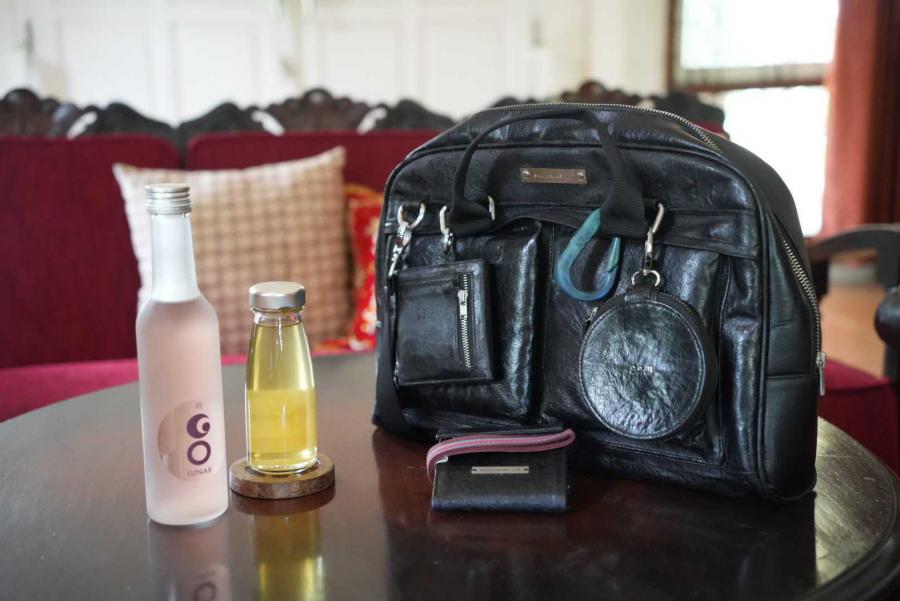
A2: Bell Living Lab converts coffee waste, specifically coffee cherry pulp, into sustainable materials like vegan leather and bio-composites. The process involves microbial fermentation that transforms this waste into a biopolymer, offering an eco-friendly alternative to traditional leather. This method not only reduces waste but also creates a product that is 100% vegan and cruelty-free, appealing to environmentally conscious consumers.
Q3: What are some scientific insights from recent research on fermentation for sustainable materials?
A3: Recent research highlights the potential of fermentation as a sustainable manufacturing process, emphasizing its role in reducing supply risks and enhancing environmental sustainability. The integration of materials science and industrial engineering has identified criticalities in resource utilization, promoting strategies that address environmental challenges and foster the development of multifunctional materials with reduced ecological impact.
Q4: What are some challenges and opportunities identified in the sustainable materials research field?
A4: Sustainable materials research faces challenges such as the environmental impact of resource extraction and the complexity of technology-specific value chains. However, opportunities lie in developing new materials with enhanced sustainability profiles, driven by multidisciplinary approaches that combine materials science and resource strategy. Such efforts aim to minimize ecological footprints while advancing technological innovations.
Q5: How does the production of coffee-based vegan leather contribute to sustainability?
A5: Coffee-based vegan leather production supports sustainability by repurposing agricultural waste, reducing reliance on animal leather, and lowering environmental impact. This innovative process not only transforms waste into a valuable resource but also aligns with consumer demand for cruelty-free products. The resulting material is durable and versatile, suitable for fashion and automotive industries, thus promoting a zero-waste philosophy.
Q6: What impact does the collaboration between Tsunan Sake Brewery and Bell Living Lab have on local communities?
A6: The collaboration positively impacts local communities by promoting sustainable practices and providing economic opportunities. By utilizing local agricultural waste and introducing innovative materials to new markets, the partnership supports regional economic development and fosters a sense of environmental stewardship among local farmers and businesses.
Q7: How does the fermentation process used by Bell Living Lab align with circular economy principles?
A7: Bell Living Lab's fermentation process embodies circular economy principles by transforming waste into valuable products, thereby minimizing resource consumption and waste generation. By converting coffee pulp into vegan leather, the process creates a closed-loop system that maximizes resource efficiency and sustainability, aligning with global efforts to reduce environmental impact and promote sustainable development.