Summary
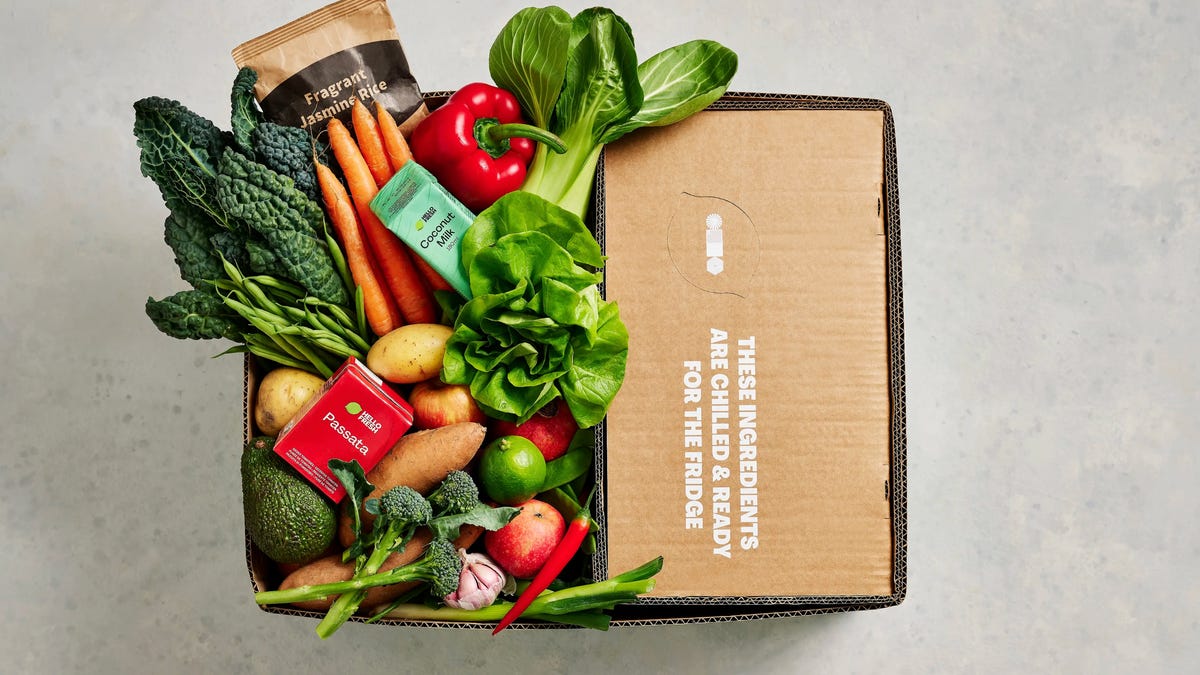
We ran the numbers to find which meal kit service offers the best value when compared with grocery store prices.
Source: cnet.com

AI News Q&A (Free Content)
Q1: What are the key factors to consider when choosing between meal kits and traditional grocery shopping?
A1: When deciding between meal kits and grocery shopping, consider cost, convenience, and dietary needs. Meal kits typically range from $8-$12 per serving, while grocery store meals cost about $3-$5 per serving. However, meal kits save time on planning and prep, offer pre-measured ingredients, and reduce food waste. Grocery shopping allows for more control over ingredients and budget but requires more time for preparation and can lead to impulse buys.
Q2: How have meal kits adapted to the demand for sustainability and reduced carbon footprint?
A2: Meal kits like Purple Carrot reduce carbon emissions by 72% compared to standard American meals. The industry has focused on minimizing food waste and efficient resource use, which helps in achieving sustainability goals. Companies are also expanding into grocery stores to offer more accessible meal options that align with sustainability efforts.
Q3: What are some recent innovations in the meal kit industry that highlight consumer innovation?
A3: Recent innovations include extending the shelf life of meal kits to 55 days, allowing them to be sold in grocery stores, and introducing personalized meal options. Companies like True Food Innovations have developed technology to increase shelf life, making meal kits more viable for retail settings and appealing to consumers seeking convenience and reduced food waste.
Q4: What are the economic implications of choosing meal kits over traditional grocery shopping?
A4: Economically, meal kits may be more expensive per serving than grocery shopping but offer value in terms of convenience and reduced food waste. Consumers might save on time and transportation costs. The industry is projected to grow significantly, with a valuation expected to reach $114 billion by 2033, driven by consumer demand for convenience and sustainability.
Q5: How do meal kits compare to grocery shopping in terms of nutritional value?
A5: Nutritionally, meal kits offer balanced, pre-portioned meals that can cater to specific dietary needs, such as vegan or gluten-free options. Grocery shopping allows for customization and control over ingredients but requires more knowledge and effort to ensure nutritional balance.
Q6: What role do meal kits play in modern retail and grocery store strategies?
A6: Meal kits are becoming integral to retail strategies, with stores like Kroger and Albertsons incorporating them into their offerings. Grocery stores provide a platform for meal kits to reach a broader audience, catering to impulse buyers and those preferring immediate purchase without subscription commitments.
Q7: How have meal kits evolved to meet changing consumer preferences and demands?
A7: Meal kits have evolved by offering more flexible, personalized options and integrating with grocery shopping experiences. They address subscription fatigue by providing omnichannel solutions that align with modern shopping habits, thus expanding their reach and accommodating diverse consumer needs.
References:
- Page: Meal kit