Summary
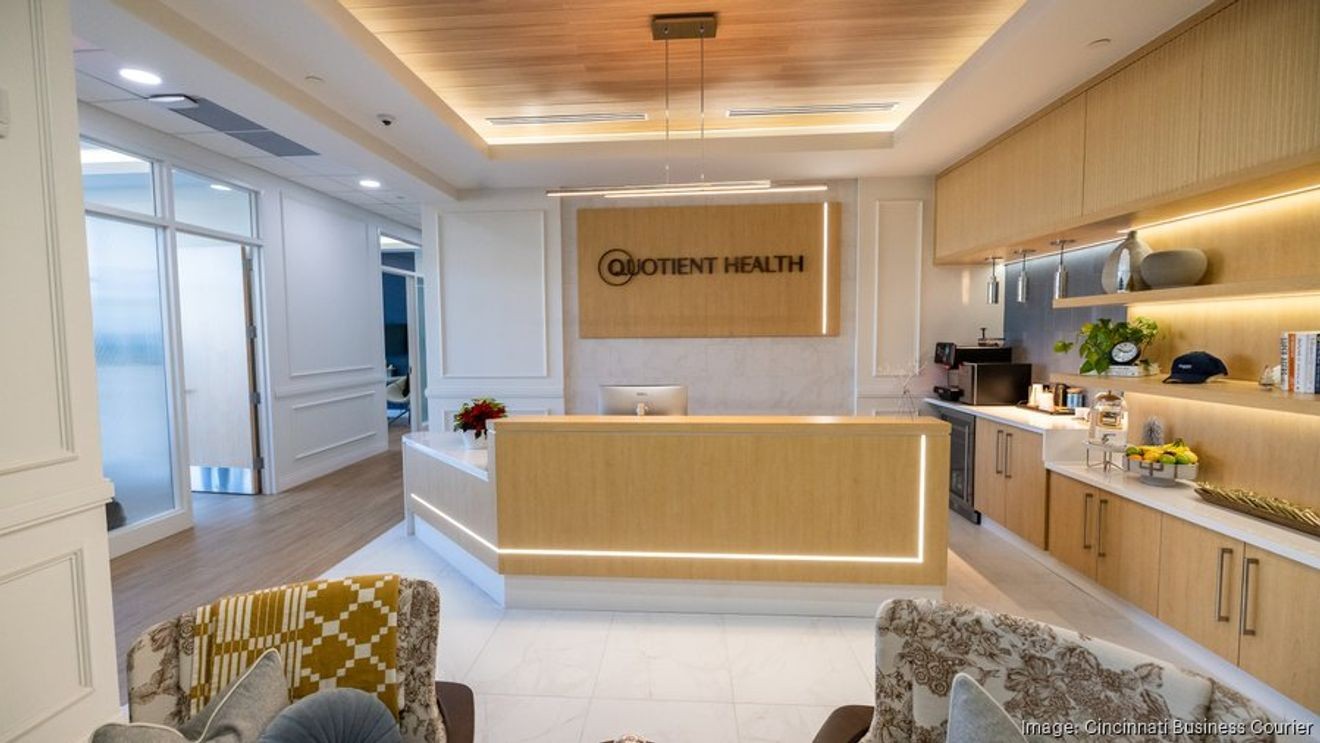
CINCINNATI (Cincinnati Business Courier) – A pair of Cincinnati physicians have launched a longevity clinic in the region with the aim of making more widely available the sort of tests, data analysis and follow-up care usually reserved for Fortune 100 CEOs.
Quotient Health opened at Montgomery Quar…
Source: WKRC

AI News Q&A (Free Content)
Q1: What is the primary focus of longevity clinics like Quotient Health, and how do they differ from traditional healthcare facilities?
A1: Longevity clinics such as Quotient Health focus on promoting healthy aging and extending lifespan through advanced diagnostics and personalized care. Unlike traditional healthcare, these clinics adopt a proactive approach by using biomarker and genetic analysis to detect health risks early and create tailored health plans. They offer services like AI-powered diagnostics and 24/7 concierge care aimed at enhancing both lifespan and healthspan.
Q2: How are longevity clinics redefining preventive health care and patient experience?
A2: Longevity clinics are redefining preventive health by integrating advanced diagnostics and personalized care in environments designed for comfort and ease. For instance, facilities like Biograph San Francisco Bay Area offer full body MRI imaging, metabolic screenings, and other comprehensive evaluations in a soothing setting that emphasizes natural textures and light to create a welcoming experience. This approach removes the coldness typically associated with traditional clinical environments.
Q3: What are some of the latest developments in longevity and anti-aging research as of 2025?
A3: Recent research in 2025 highlights significant breakthroughs in longevity science, such as the use of SGLT2 inhibitors as senotherapeutics that target cellular aging. These inhibitors have been shown to reduce senescent cell burden, decrease pro-inflammatory cytokines, and improve metabolic capacity. Such advancements suggest that these drugs could extend beyond their initial uses to address broader aging mechanisms.
Q4: What are the economic and accessibility challenges facing longevity clinics today?
A4: Longevity clinics often operate on a membership-based model, with programs ranging from $199 a month to over $20,000 annually. Currently, many services offered by these clinics are not covered by insurance or Medicare, relying instead on out-of-pocket payments or Health Savings Accounts. This poses a challenge for accessibility, as the cost of these advanced services remains outside the reach of many potential patients.
Q5: How does the integration of AI and advanced diagnostics in longevity clinics enhance healthcare delivery?
A5: AI and advanced diagnostics in longevity clinics facilitate deeper insights into patients' health by analyzing vast amounts of data to detect potential risks early. This technology supports personalized healthcare plans, enabling doctors to offer preemptive treatments and lifestyle adjustments that could prevent diseases and enhance overall vitality. Such integration aims to shift the focus from symptomatic treatment to proactive health management.
Q6: What role do genetic analysis and biomarker testing play in the operations of longevity clinics?
A6: Genetic analysis and biomarker testing are central to the operations of longevity clinics, allowing for the early detection of health risks and the creation of personalized health plans. These tests provide a detailed assessment of an individual's biological age and potential predisposition to various diseases, enabling targeted interventions and lifestyle modifications to promote longer and healthier lives.
Q7: What scientific approach does Brian K. Kennedy advocate for in extending human lifespan and healthspan?
A7: Brian K. Kennedy advocates for targeting the core processes of aging to mitigate functional decline and forestall age-associated chronic conditions. His research focuses on developing and validating interventions to delay aging and improve biomarkers of biological aging. By addressing the fundamental mechanisms of aging, Kennedy's work aims to extend both lifespan and healthspan, contributing to healthier aging.
References:
- Top Breakthroughs In Aging Research - American Federation for Aging Research