Summary
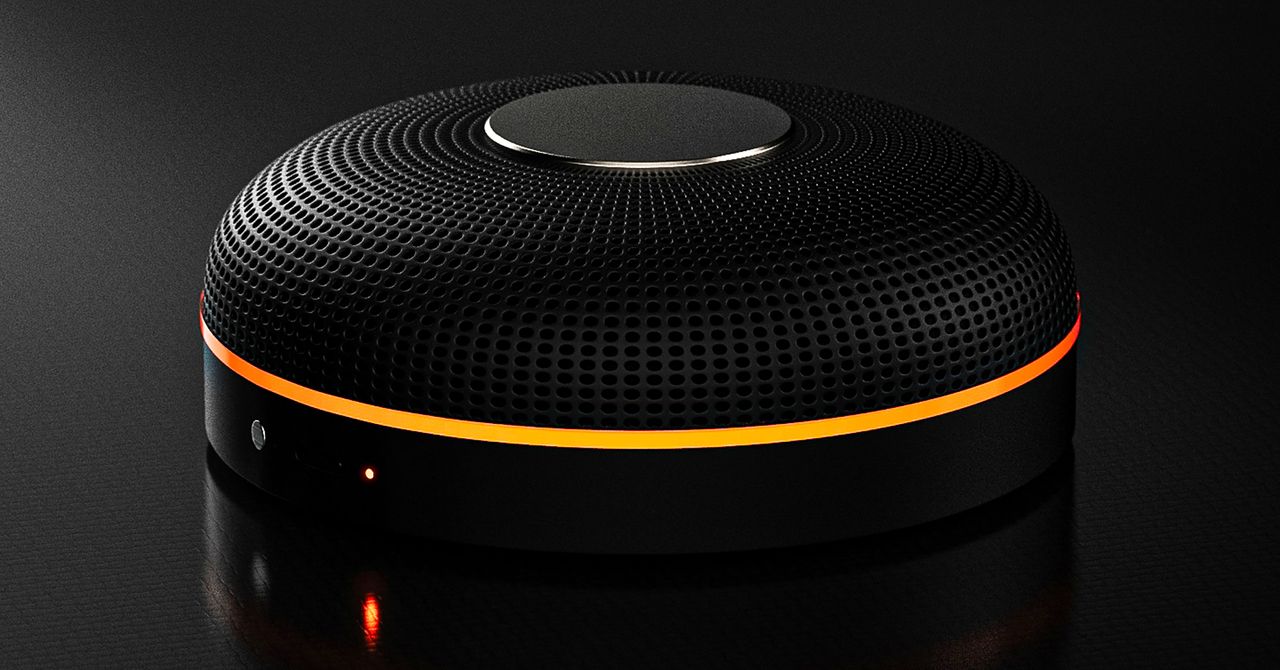
A new startup called Deveillance (pronounced dee-veil-ance) announced its first-ever gadget earlier this weeka sleek, portable tabletop orb that aims to jam nearby devices from recording voices.
Called Spectre I, the microphone jammer is a combination of ultrasonic frequency emitters and AI smarts…
Source: WIRED

AI News Q&A (Free Content)
Q1: What is the primary function of the Spectre I microphone jammer developed by Deveillance?
A1: The Spectre I microphone jammer developed by Deveillance is designed to prevent nearby devices from recording voices. It accomplishes this by using ultrasonic frequency emitters combined with AI technology to create an inaudible 'fog' that scrambles the audio recordings of devices within its range. The device is marketed as a portable personal privacy tool that can be used to protect conversations from being captured by smartphones, smart speakers, and other listening devices.
Q2: How does the Spectre I device leverage AI technology to enhance privacy?
A2: Spectre I utilizes AI technology to detect and log nearby microphones. This feature not only jams audio recordings but also provides users with the visibility of which devices are listening, adding a layer of transparency in environments crowded with embedded microphones. This AI-driven detection is integral to the device's functionality, offering users control over their audio privacy.
Q3: What are the potential limitations of using ultrasonic frequency emitters for privacy, as noted in recent academic discussions?
A3: Recent academic discussions highlight that while ultrasonic frequency emitters can effectively disrupt audio recordings, their effectiveness can vary based on the environment and the types of microphones targeted. Factors such as the distance from the microphone, the presence of obstacles, and the specific frequencies used can impact their performance. Moreover, there is ongoing research into how these devices might inadvertently affect other electronic devices or interfere with legitimate uses of microphones.
Q4: What ethical concerns are raised by the integration of AI in consumer privacy technologies like Spectre I?
A4: The integration of AI in consumer privacy technologies raises several ethical concerns, primarily related to the balance between privacy and surveillance. AI's role in detecting devices could lead to unauthorized tracking or data collection if not properly regulated. There is also the risk of misuse, where such technologies might be employed for purposes contrary to privacy, such as corporate espionage or unauthorized surveillance. Ensuring transparent data practices and regulatory oversight is crucial to mitigate these risks.
Q5: How might the Spectre I device influence regulatory approaches to privacy and surveillance?
A5: The introduction of devices like Spectre I could influence regulatory approaches by highlighting the need for clear guidelines on the use of privacy-enhancing technologies. As these devices become more prevalent, regulators may need to address how they fit within existing privacy laws and what new rules might be necessary to prevent misuse. Spectre I's capabilities align with growing public demand for privacy, potentially influencing policies that limit surveillance and protect personal data.
Q6: What are the economic implications of adopting privacy gadgets like Spectre I in consumer and corporate settings?
A6: The adoption of privacy gadgets like Spectre I could have significant economic implications, particularly in sectors where sensitive information is regularly discussed, such as finance, healthcare, and corporate meetings. Companies might invest in these devices to safeguard proprietary information, potentially reducing the risk of data breaches and associated financial losses. However, the high cost of such technologies, with Spectre I priced at $1,199, may limit accessibility for smaller businesses and individuals.
Q7: What recent scholarly insights address the broader impact of AI on privacy and data protection?
A7: Recent scholarly insights have emphasized the need for ethical AI governance to address privacy and data protection challenges. As AI continues to evolve, its ability to process and interpret vast amounts of data raises concerns about data exploitation and algorithmic biases. Scholars advocate for frameworks that ensure transparency, accountability, and user control over personal data, emphasizing the importance of balancing technological advancement with ethical considerations.
References:
- Gadgets360: AI Audio Jamming Device Stops Microphones from Recording Voice - Deveillance Spectre I
- FindArticles: Deveillance Unveils Pocket Jammer for Private Chats
- Americanews: Spectre I Blocks Audio from Smart Devices
- Collection, usage and privacy of mobility data in the enterprise and public administrations
- Authors: Alexandra Kapp
- Privacy and Copyright Protection in Generative AI: A Lifecycle Perspective
- Authors: Dawen Zhang, Boming Xia, Yue Liu, Xiwei Xu, Thong Hoang, Zhenchang Xing, Mark Staples, Qinghua Lu, Liming Zhu