
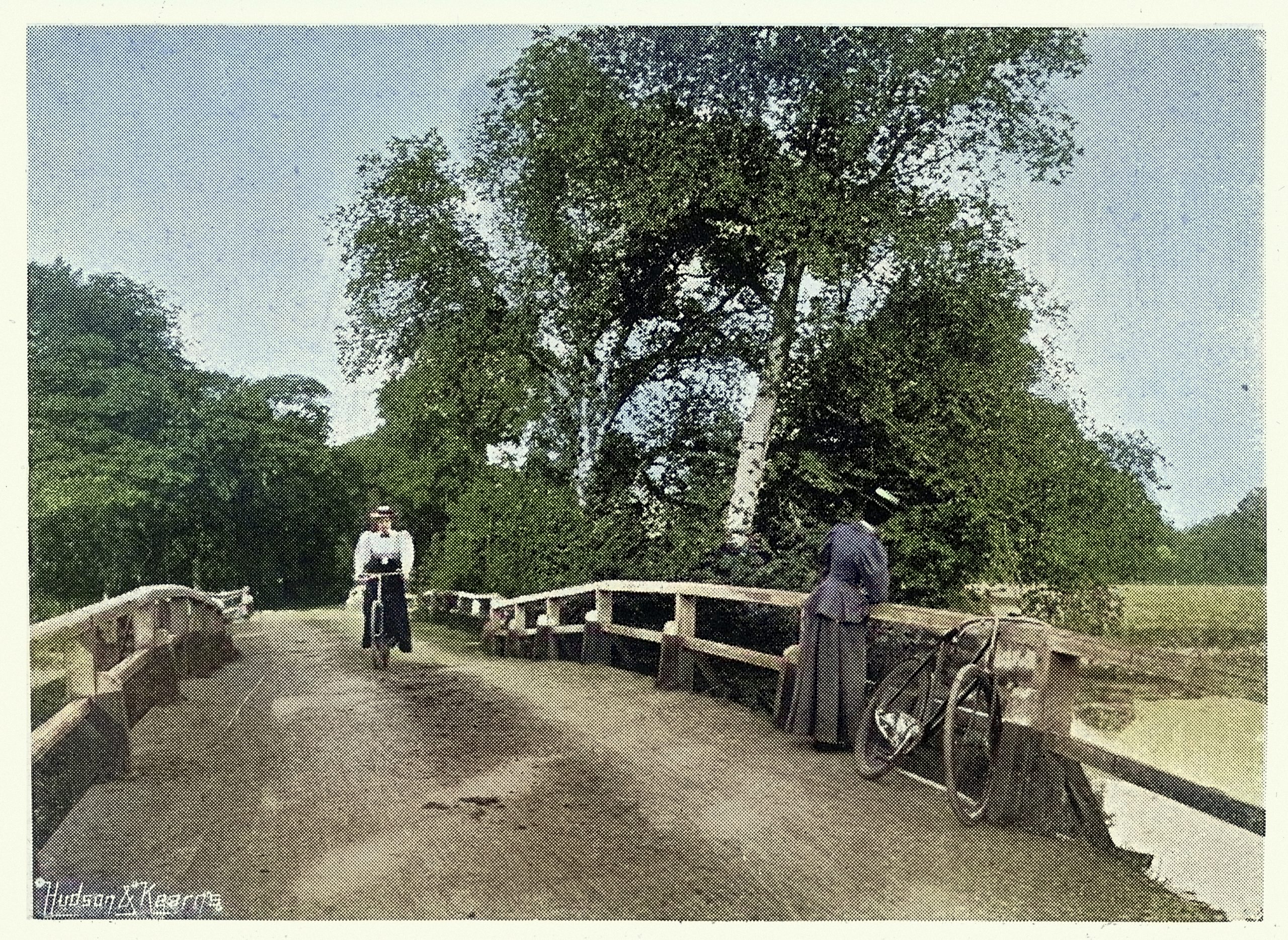
Summary
Comment: Bicycle face was thought to cause a state of nervous exhaustion and permanent facial disfigurement The post The Victorian health scare that tried to stop NZ women riding bikes appeared first on Newsroom.
Source: Newsroom

AI News Q&A (Free Content)
Q1: What was the Victorian health scare known as 'bicycle face' and how did it affect women's cycling in the 19th century?
A1: The Victorian health scare known as 'bicycle face' was a purported medical condition that emerged in the late 19th century, which suggested that women who rode bicycles could suffer from a permanent facial disfigurement. This condition was described as causing a strained, anxious expression, often with flushed or pale skin and dark shadows under the eyes. The scare was part of a broader societal attempt to discourage women from cycling, as bicycles were becoming symbols of increased mobility and independence for women during this period.
Q2: How did the concept of 'bicycle face' relate to the social dynamics of the 19th century?
A2: The concept of 'bicycle face' was tied to the social dynamics of the 19th century as it reflected the tension between traditional gender roles and the emerging feminist movements. Cycling was seen as a form of liberation for women, allowing them greater social mobility and challenging Victorian norms about femininity and propriety. The health scare served as a means to control women's behavior by invoking fear of physical and moral corruption, thus trying to maintain the prevailing social order.
Q3: What were some of the supposed symptoms of 'bicycle face' according to Victorian-era doctors?
A3: Victorian-era doctors claimed that 'bicycle face' was characterized by symptoms such as a hard, clenched jaw, bulging eyes, a flushed or pale complexion, and an overall expression of weariness and anxiety. These symptoms were allegedly caused by the physical exertion and the effort required to maintain balance while cycling.
Q4: In what ways did bicycles contribute to the feminist movement in the 19th century?
A4: Bicycles played a significant role in the feminist movement of the 19th century by providing women with a new means of transportation that offered them greater independence and freedom. This increased mobility challenged existing social norms and contributed to the dress reform movement, as women began to adopt more practical clothing suitable for cycling. Bicycles also became symbols of the fight for women's suffrage and empowerment.
Q5: What were some other health concerns associated with cycling in the Victorian era besides 'bicycle face'?
A5: In addition to 'bicycle face,' Victorian-era health concerns associated with cycling included kyphosis bicyclistarum (bicyclist's hump), tachycardia, anemia, eyestrain, hysteria, and neurasthenia. These conditions were believed to result from the physical stress and posture required for cycling, reflecting the period's broader anxieties about new technologies and their impact on health.
Q6: How did medical opinions of the time influence the public perception of cycling for women?
A6: Medical opinions during the Victorian era played a crucial role in shaping public perception of cycling for women. By framing cycling as potentially harmful and linking it to various health scares, these opinions imposed medicalized limits on women's activities. While some doctors acknowledged the health benefits of cycling when practiced in moderation, others used the language of pathology to deter women from cycling, thus reinforcing societal norms that restricted women's freedom and autonomy.
Q7: How did the scare of 'bicycle face' eventually subside, and what was its lasting impact on society?
A7: The scare of 'bicycle face' eventually subsided as societal attitudes towards women and cycling began to change in the early 20th century. Advances in medical understanding and the continued efforts of women's rights activists helped to dispel myths about the dangers of cycling. The lasting impact of the 'bicycle face' scare was a heightened awareness of the ways in which societal norms and pseudoscience were used to control women's behavior and limit their freedoms.
References:
- Bicycling and feminism
- Surveying the abundance of literature on women’s cycling health
- The public health menace known as 'the Bicycle Face'
- 'Bicycle face': a 19th-century health problem made up to scare women away from biking
- Doctors warned women of developing 'bicycle face' from cycling in the 19th century