Summary
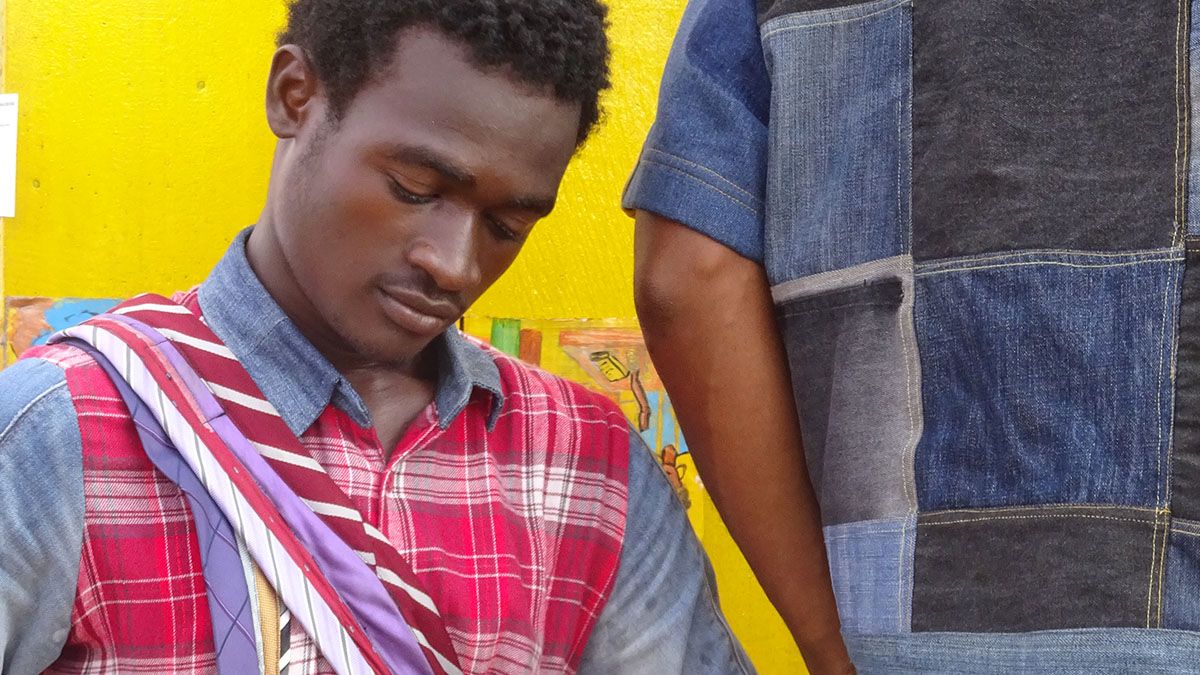
This article is part of our (Re)Made in Ghana series, which explores what one of the worlds largest circular fashion ecosystems Kantamanto Market can teach us about the future of fashion. Read our series on Made in Italy here, Made in India here, and Made in the UK here.
A few years ag…
Source: Vogue

AI News Q&A (Free Content)
Q1: What are the main challenges faced by upcyclers in Kantamanto Market regarding shipping costs, and how does it impact their business?
A1: Upcyclers in Kantamanto Market face significant shipping costs that can increase the price of their goods by around 300%, making it challenging to sell their products internationally. This high shipping cost is a barrier for many potential buyers who are interested in the unique upcycled goods but find the cost prohibitive. The Or Foundation is working on solutions, such as improving HS codes, to facilitate easier sales abroad without constant intervention.
Q2: How does Kantamanto Market contribute to the circular fashion ecosystem, and what roles do the traders and upcyclers play?
A2: Kantamanto Market is a vibrant circular fashion ecosystem where 30,000 traders work to keep around 15 million items of used clothing in circulation each week. Traders select high-quality secondhand clothing to sell, while upcyclers collaborate with skilled repairers and tailors to create unique items from damaged clothing. This market exemplifies circular fashion through its innovative reuse and upcycling practices.
Q3: What is the role of women in Kantamanto Market, and how does the secondhand clothing trade impact them?
A3: Women in Kantamanto Market often take on loans to purchase bales of secondhand clothing. If these clothes are unsellable, they face debt and stress. Despite these challenges, women play a crucial role in this circular economy by innovatively repurposing unsellable clothes and contributing to the market's ecosystem, even as the volume of incoming clothing continues to exceed their capacity to manage it.
Q4: How does the concept of a circular economy apply to the Kantamanto Market, and what lessons can it teach about sustainable fashion?
A4: Kantamanto Market exemplifies a circular economy by transforming waste clothing from the Global North into valuable products through repair and upcycling. This process reduces waste and promotes sustainability. The market's methods demonstrate the potential for circular economies to address fashion waste and inspire global change towards more sustainable practices.
Q5: What insights does the paper 'Towards a Circular Economy via Intelligent Metamaterials' provide regarding circular economy principles?
A5: The paper discusses how intelligent metasurfaces can be used in product design to enforce circular economy principles. These metasurfaces can adjust their properties to improve resource efficiency and reduce waste. The study highlights the potential for circular economies to integrate advanced materials and technology, promoting sustainable product design and reducing environmental impact.
Q6: How does the research paper 'How circular economy and industrial ecology concepts are intertwined?' contribute to our understanding of circular economy frameworks?
A6: This research paper uses bibliometric and text mining analyses to explore the relationship between circular economy and industrial ecology. It highlights how these concepts can complement each other to support sustainable development. The paper provides recommendations for using circular economy tools and indicators in industrial practices to enhance sustainability efforts.
Q7: What is the global significance of Kantamanto Market's circular fashion practices, and how does it address the challenges of fashion waste?
A7: Kantamanto Market is globally significant as it operates the world's largest reuse hub, processing approximately 25 million garments monthly. It addresses fashion waste by transforming discarded clothing into valuable items through sorting, repairing, and upcycling. This market's practices offer valuable lessons on how to effectively manage fashion waste and promote sustainable fashion worldwide.
References:
- Towards a Circular Economy via Intelligent Metamaterials
- How circular economy and industrial ecology concepts are intertwined? A bibliometric and text mining analysis