Summary
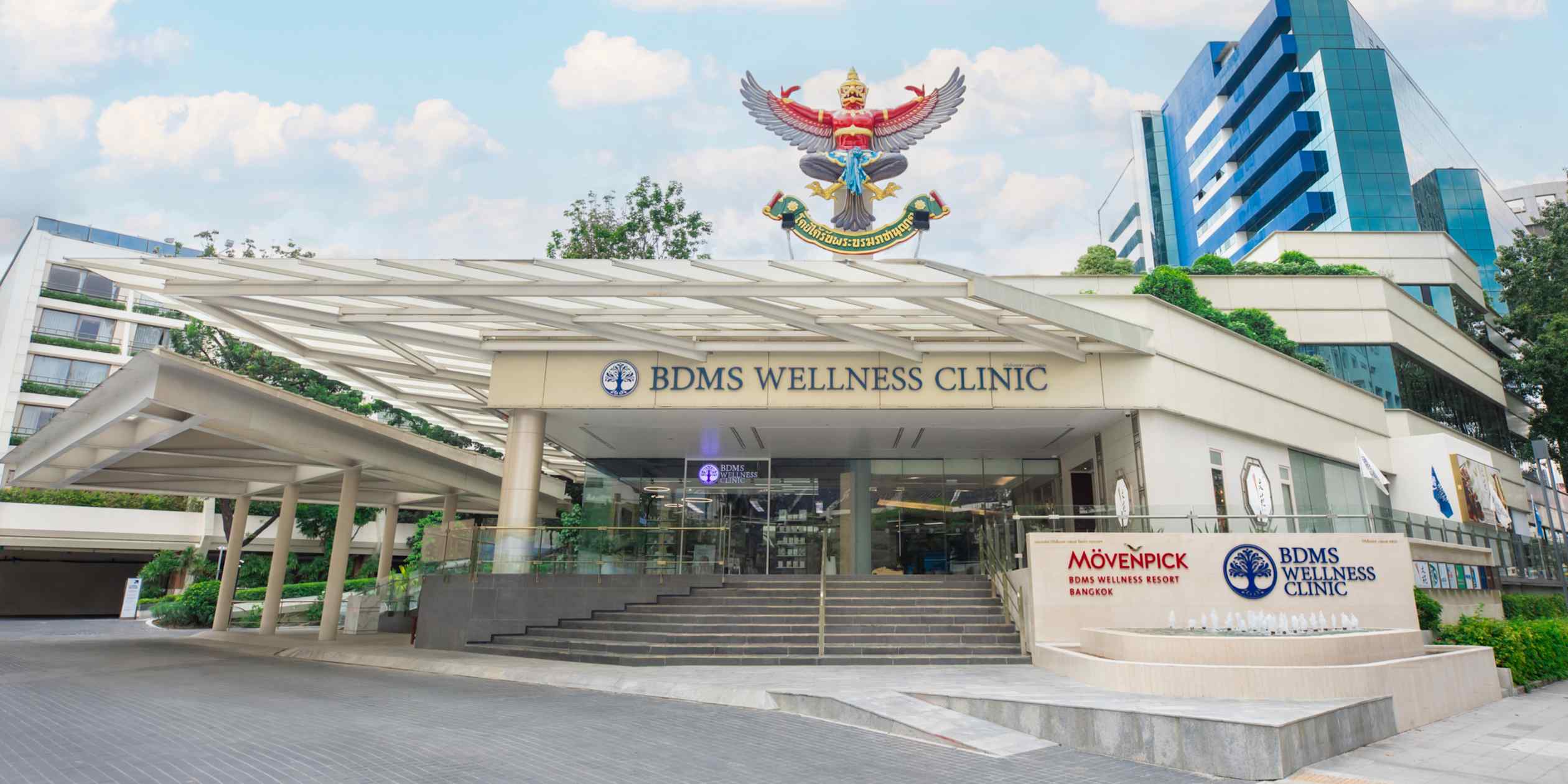
BANGKOK — Thailands private and public sectors are teaming up to promote wellness tourism, offering services that combine medical care, beauty and travel to affluent foreigners as the country seeks to boost the economy.
Source: Nikkei Asia

AI News Q&A (Free Content)
Q1: What is the current economic significance of tourism in Thailand?
A1: Tourism is a major economic contributor to Thailand, with estimates showing it directly contributes between 9% and 17.7% to the country's GDP. In 2019, tourism accounted for about 20% of GDP, with projections indicating it could rise to 30% by 2030. By 2027, Thailand is expected to receive 80 million visitors annually.
Q2: How does wellness tourism fit into Thailand's broader tourism strategy?
A2: Wellness tourism in Thailand is part of a broader strategy to enhance the country's appeal to international visitors, focusing on promoting health through physical, psychological, or spiritual activities. This includes services like meditation, yoga, and alternative treatments, contributing to global market growth and addressing stress management and healthy lifestyle promotion.
Q3: What are the latest scholarly insights on the impact of wellness tourism?
A3: Recent scholarly insights emphasize the importance of wellness tourism in promoting health and managing stress. Studies highlight the growing demand for wellness services that integrate conventional and alternative treatments. The industry's growth is driven by increasing awareness of health and well-being among travelers.
Q4: What are the challenges faced by the wellness tourism sector in Thailand?
A4: Challenges in the wellness tourism sector include balancing traditional and modern wellness practices, ensuring sustainable growth, and addressing issues such as service quality and staff training. The sector must also adapt to changing consumer preferences and address environmental concerns associated with increased tourism.
Q5: How do wellness tourism initiatives in Thailand target affluent foreigners?
A5: Thailand targets affluent foreigners by offering premium wellness services that combine luxury travel experiences with health-focused activities. These include personalized wellness programs, spa treatments, and exclusive retreats designed to attract high-spending tourists seeking relaxation and rejuvenation.
Q6: What role does sustainability play in Thailand's wellness tourism industry?
A6: Sustainability is a key focus in Thailand's wellness tourism industry, with initiatives aimed at reducing carbon footprints, promoting eco-friendly practices, and preserving natural resources. The industry seeks to balance economic growth with environmental responsibility to ensure long-term viability.
Q7: How does organizational support impact employee well-being in the tourism sector, according to recent research?
A7: Recent research from Spain indicates that organizational support, particularly in work-family policies, positively impacts employee well-being in the tourism sector. It highlights the importance of accessible work-family policies and organizational commitment to enhancing worker satisfaction and reducing work-family conflict.
References:
- Tourism in Thailand - https://en.wikipedia.org/wiki/Tourism_in_Thailand
- Wellness tourism - https://en.wikipedia.org/wiki/Wellness_tourism
- Defining Tourism Domains for Semantic Annotation of Web Content - https://arxiv.org/abs/1802.06219
- Organizational support for work-family life balance as an antecedent to the well-being of tourism employees in Spain - https://arxiv.org/abs/2311.12345