Summary
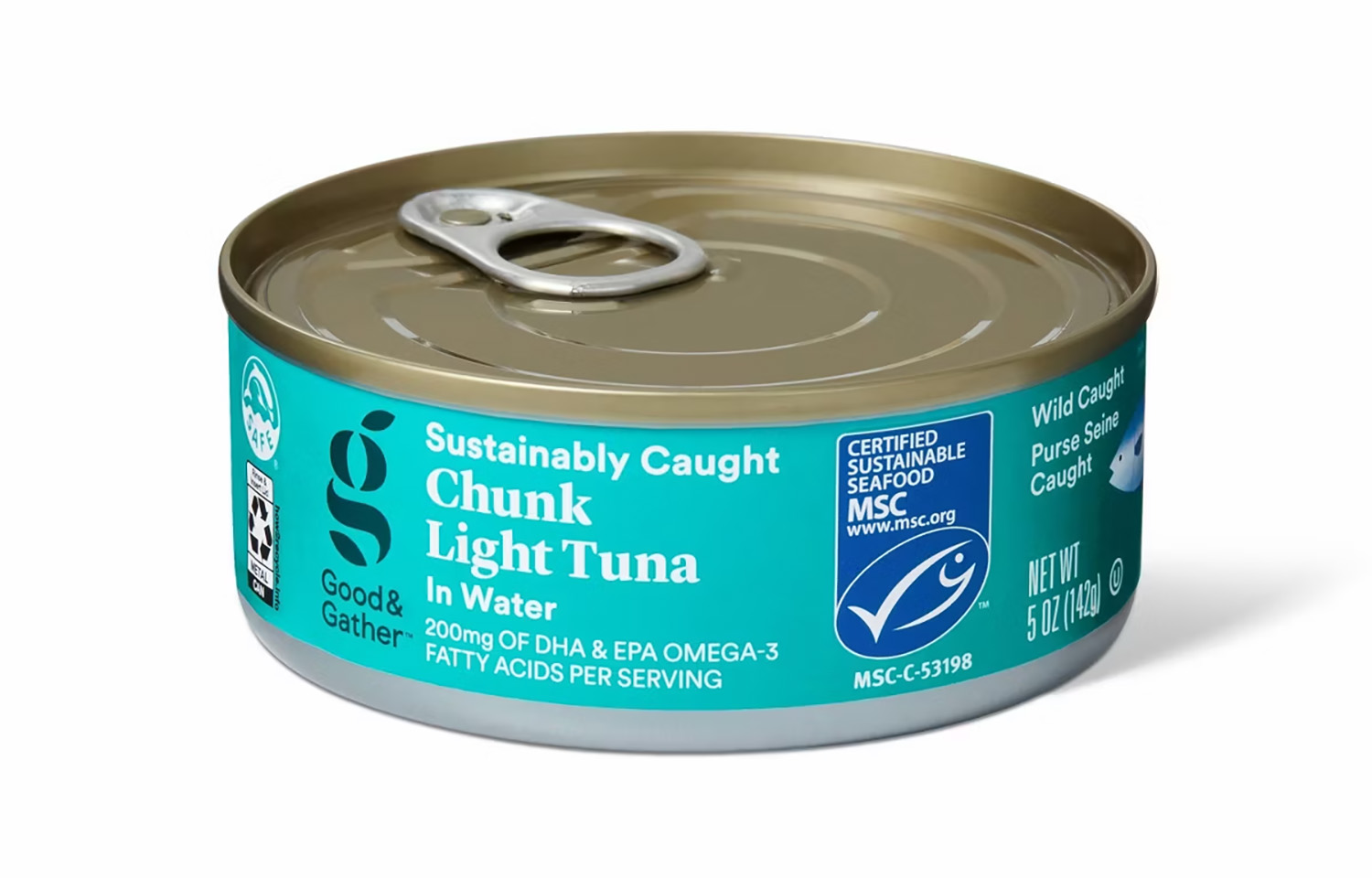
U.S. retailer Target is facing a class-action lawsuit over sustainability claims regarding its private-label Good & Gather tuna products.
According to the complaint, filed in the U.S. District Court for the Central District of California, the front label of Targets Good & Gather canned and pouched…
Source: SeafoodSource

AI News Q&A (Free Content)
Q1: What are the allegations in the lawsuit against Target regarding its Good & Gather tuna products?
A1: The class-action lawsuit filed against Target alleges that the company made misleading sustainability claims about its private-label Good & Gather tuna products. The complaint, filed in the U.S. District Court for the Central District of California, accuses Target of falsely marketing its tuna products as sustainably sourced, despite evidence to the contrary. The lawsuit challenges the accuracy of Target's labeling and promotional practices related to environmental sustainability.
Q2: How does Target Corporation's branding strategy impact its market position, especially concerning private-label products?
A2: Target Corporation, known for its upscale, trend-forward merchandise at lower costs, operates a variety of private brands, including Good & Gather. These owned brands allow Target to differentiate its offerings and compete in the retail market by providing exclusive products. This strategy enhances customer loyalty and helps in maintaining a strong market position as the eighth-largest retailer in the United States.
Q3: What are the potential legal implications for retailers making false sustainability claims?
A3: Retailers making false sustainability claims can face significant legal implications, including class-action lawsuits, regulatory fines, and reputational damage. Such legal actions can result in financial liabilities and necessitate changes in marketing practices. Companies must ensure transparency and accuracy in their sustainability claims to comply with consumer protection laws and avoid misleading consumers.
Q4: How does the concept of sustainability play a critical role in modern retail practices?
A4: Sustainability has become a crucial factor in modern retail practices as consumers increasingly demand environmentally responsible products. Retailers are adopting sustainable sourcing, reducing carbon footprints, and minimizing waste to meet these demands. This trend is driven by consumer awareness, regulatory pressures, and the long-term benefits of sustainable practices, including enhanced brand reputation and customer loyalty.
Q5: What insights have recent scholarly articles provided about sustainability claims in retail?
A5: Recent scholarly articles, such as those on sustainable materials and the impact of artificial intelligence in retail, emphasize the importance of transparency and innovation in sustainability claims. For example, a study on bio-inspired synthetic ivory for piano keys highlights the potential of sustainable materials. Additionally, research on generative AI in retail demonstrates how technology can enhance productivity and consumer experience, indirectly supporting sustainable practices.
Q6: How do private-label brands like Good & Gather influence consumer perception and retail market dynamics?
A6: Private-label brands like Good & Gather influence consumer perception by offering exclusive, often cost-effective alternatives to national brands. They help retailers like Target build brand loyalty and differentiate themselves in a competitive market. These brands can influence market dynamics by setting trends, increasing competitive pressure on national brands, and allowing retailers to capture higher profit margins.
Q7: What are the broader implications of sustainability lawsuits for the retail industry?
A7: Sustainability lawsuits can have broad implications for the retail industry by highlighting the need for accurate and verifiable sustainability claims. Such legal challenges can push retailers to adopt more rigorous sustainability standards, improve transparency, and enhance corporate social responsibility. These changes can lead to more sustainable industry practices, benefiting both the environment and consumers.
References:
- Target Corporation - https://en.wikipedia.org/wiki/Target_Corporation
- Bio-inspired Synthetic Ivory as a Sustainable Material for Piano Keys - https://arxiv.org/abs/1912.05675
- Generative AI and Firm Productivity: Field Experiments in Online Retail - https://arxiv.org/abs/2302.05172