Summary
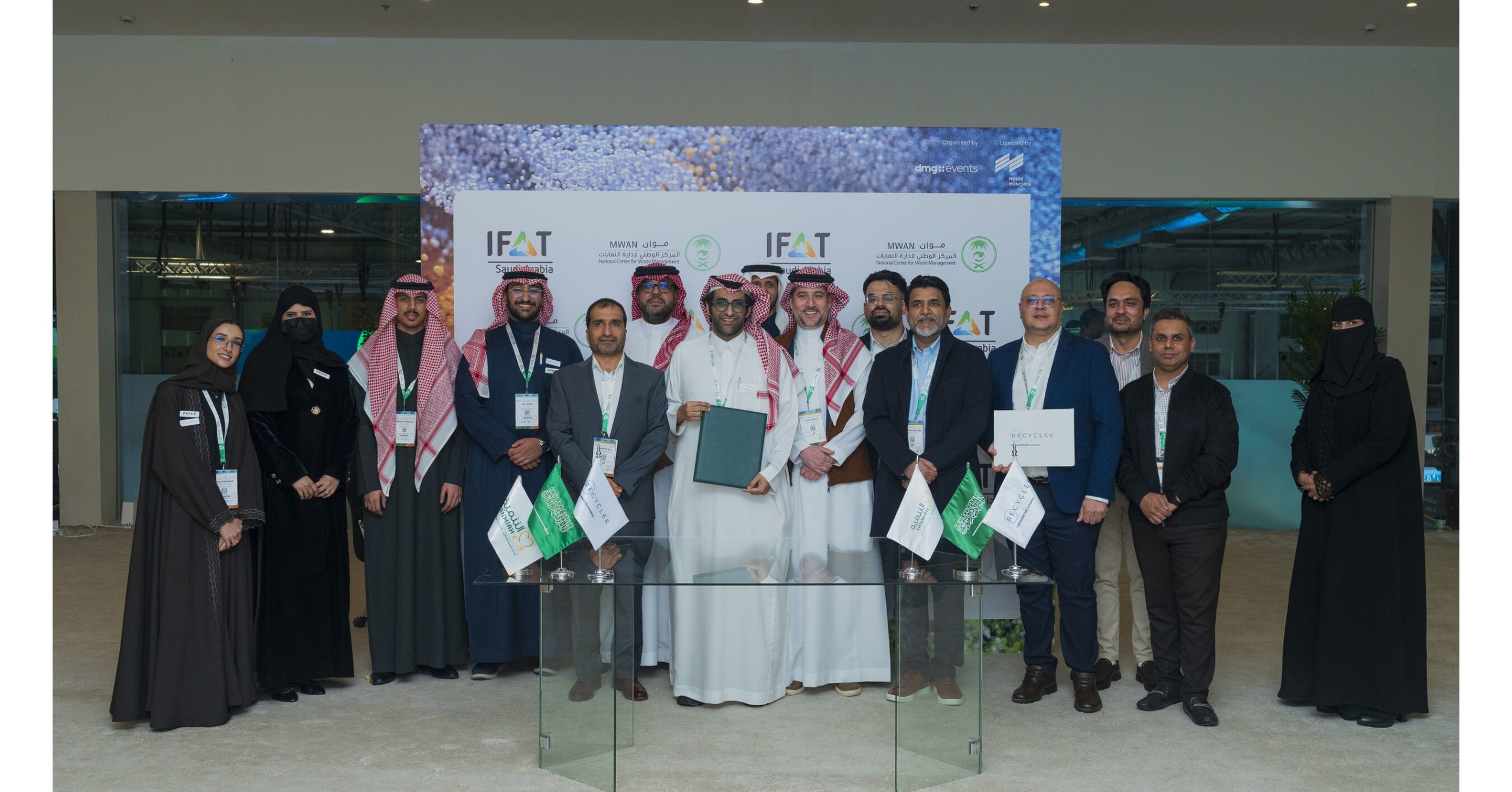
RIYADH, Saudi Arabia, Feb. 5, 2026 /PRNewswire/ — Tanmiah Food Company (TADAWUL: 2281), one of the Kingdoms leading vertically integrated poultry and food producers, today announced the signing of two strategic Memorandums of Understanding (MoUs) with SEQUENCIVE sustainability portfolio companies:…
Source: PR Newswire

AI News Q&A (Free Content)
Q1: What are the objectives of Tanmiah Food Company's partnerships with PHYLA and RECYCLEE?
A1: Tanmiah Food Company has entered into strategic partnerships with PHYLA and RECYCLEE to bolster the circular economy and enhance food security in Saudi Arabia. These agreements focus on leveraging sustainable practices, such as the development of alternative proteins and digital waste management solutions, to create a more resilient food production system. This initiative aligns with Saudi Arabia's goal of diverting 90% of waste from landfills by 2040 and supports the national food security objectives by reducing reliance on imported grains.
Q2: How does the collaboration between Tanmiah and PHYLA aim to address food security challenges?
A2: The collaboration between Tanmiah and PHYLA aims to address food security challenges by researching and developing alternative proteins using Black Soldier Fly larvae. This approach intends to locally convert organic waste into high-quality, sustainable animal feed, thereby reducing dependency on volatile global supply chains and enhancing food security within Saudi Arabia.
Q3: What role does digital transformation play in Tanmiah's partnership with RECYCLEE?
A3: Digital transformation is a key component of Tanmiah's partnership with RECYCLEE, focusing on the implementation of a digital waste management platform. This platform allows Tanmiah to track, manage, and monetize industrial byproducts, ensuring compliance with environmental standards and unlocking new revenue streams from waste, which contributes to the circular economy and sustainability goals.
Q4: What are the potential benefits of bio-based fertilizers in the context of circular economy?
A4: Bio-based fertilizers, derived from waste streams, offer significant benefits within a circular economy framework by improving soil health and reducing environmental impacts. These fertilizers enhance the physical, chemical, and biological properties of soil, with nutrient recovery efficiencies ranging from 60-95%. The sector is projected to grow significantly, driven by regulatory support and circular economy policies, with potential market growth from $2.53 billion in 2024 to $6.3 billion by 2032.
Q5: How does the concept of intelligent metamaterials contribute to a circular economy?
A5: Intelligent metamaterials contribute to a circular economy by allowing products to adapt their physical properties through software commands, minimizing resource waste. These materials can be used in product design to enhance efficiency and reduce waste, enabling the compatibility of circular economy principles with fast-paced product designs. This innovation supports the efficient use of resources and reduces environmental impacts.
Q6: What challenges exist in implementing blockchain technology in agriculture and food supply chains?
A6: Blockchain technology presents opportunities for transparency in agriculture and food supply chains, but faces challenges such as technical limitations, educational barriers, and regulatory issues. While there are ongoing initiatives to leverage blockchain for a more transparent supply chain, wider adoption is hindered by these challenges, requiring further development and adaptation within the industry.
Q7: How does access to finance impact food security among smallholder farmers?
A7: Access to finance significantly impacts food security for smallholder farmers by enabling them to invest in improved technologies and inputs, thereby enhancing productivity and food supply. Studies show a strong positive relationship between financial access and food security, highlighting the need for improved financial institutions and policies to support farmers in achieving food security outcomes.
References:
- Published: 2026-01-19 Title: Bio-Based Fertilizers from Waste: Nutrient Recovery, Soil Health, and Circular Economy Impacts.
- Published: 2018-07-16 Title: Towards a Circular Economy via Intelligent Metamaterials
- Published: 2019-08-18 Title: The Rise of Blockchain Technology in Agriculture and Food Supply Chains
- Published: 2025-11-23 Title: Unlocking The Future of Food Security Through Access to Finance for Sustainable Agribusiness Performance