Summary
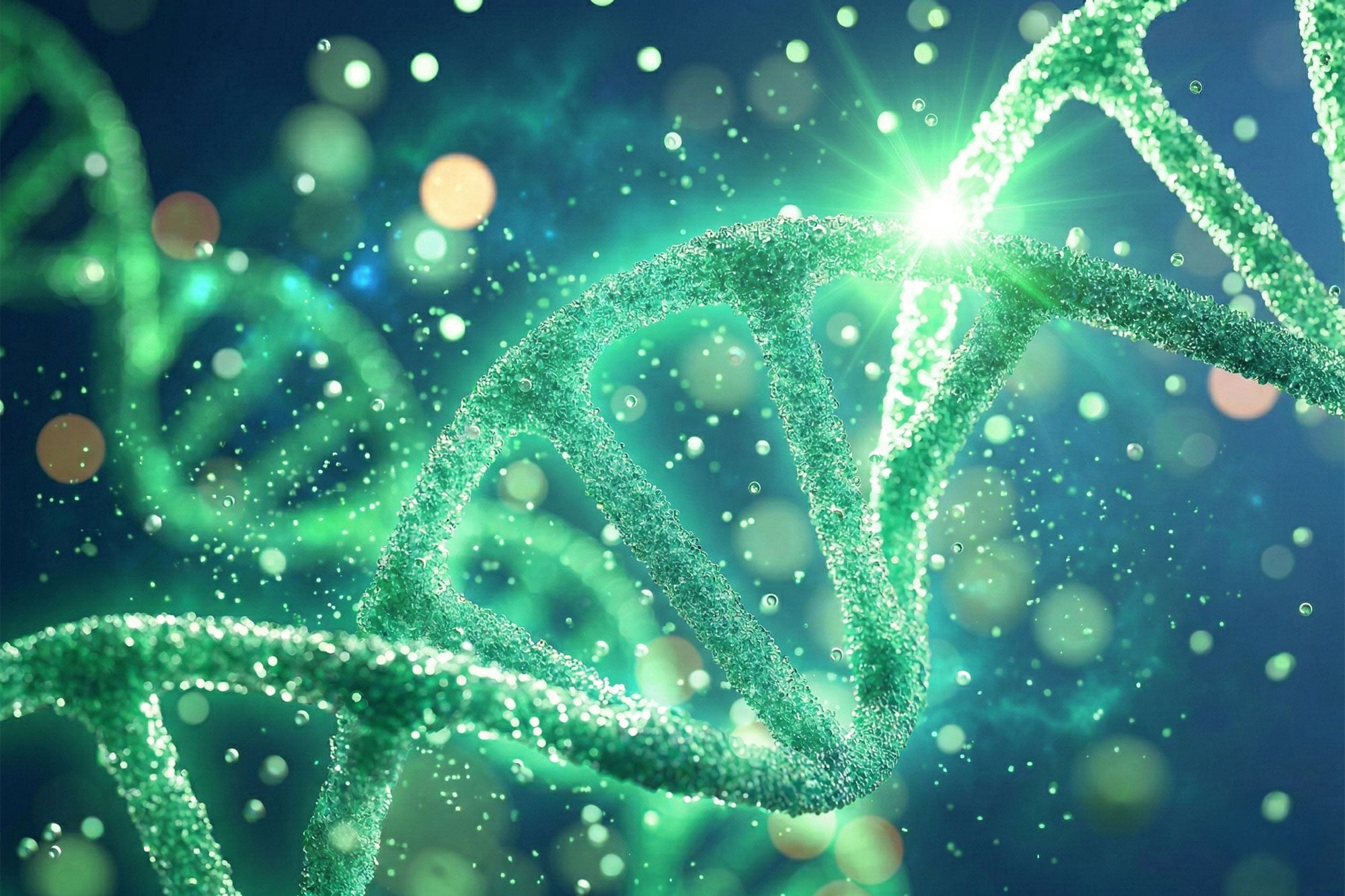
Scientists have long studied unusually long-lived animals for clues to aging, but applying those insights has been difficult. Now, researchers report that inserting a single naked mole rat gene into mice extended lifespan and improved health.
Researchers at the University of Rochester have taken a …
Source: SciTechDaily

AI News Q&A (Free Content)
Q1: What recent scientific breakthroughs have been made in extending lifespan through gene transfer?
A1: Researchers at the University of Rochester have successfully inserted a naked mole rat gene into mice, resulting in an extended lifespan and improved health. This study represents a significant breakthrough in the field of longevity research, demonstrating the potential for gene transfer to combat aging and extend lifespan in mammals.
Q2: How does the longevity gene influence cellular processes to extend lifespan?
A2: Longevity genes are involved in various cellular processes, including DNA repair, insulin/IGF-1 signaling pathways, and sirtuin regulation. These genes help promote cellular stability and enhance the body's ability to manage oxidative stress, which in turn influences lifespan extension. Recent studies have shown that longevity-associated genes can significantly improve healthspan by regulating metabolism and cellular protection mechanisms.
Q3: What are the implications of using gene therapy for anti-aging in humans?
A3: Gene therapy for anti-aging in humans shows promise but requires extensive validation in animal models to ensure long-term safety and efficacy. The translation of these therapies to human applications must consider ethical and regulatory frameworks to address equitable access and potential impacts on healthcare systems. Current research is focusing on assessing immune responses to gene vectors and confirming benefits observed in mice can be replicated in humans.
Q4: What role does the fmo-2 gene play in dietary restriction and lifespan extension?
A4: The fmo-2 gene is crucial for extending lifespan in response to dietary restriction. It remodels metabolism, which leads to increased longevity. Without the fmo-2 enzyme, dietary restriction does not result in a longer lifespan, indicating its key role in mediating the life-extending effects of reduced calorie intake.
Q5: How has the study of centenarians contributed to our understanding of longevity genes?
A5: Studies on centenarians, such as the New England Centenarian Study, have provided insights into the heritability of longevity genes. These individuals exhibit extended healthspans and beneficial lipid profiles, with lower rates of cardiovascular and metabolic diseases. The research highlights the potential of longevity genes in promoting healthy aging and extending lifespan.
Q6: What are the potential benefits of sake lees extract in anti-aging therapies?
A6: Sake lees extract, obtained through a novel extraction method, has shown promising anti-aging effects. It enhances oxidative stress resistance and neuroprotective effects, leading to increased lifespan and improved age-related phenotypes in model organisms. The extract's bioactive compounds, mediated by SKN-1/Nrf2 and HSF-1 pathways, highlight its potential as a resource for anti-aging substances.
Q7: What challenges remain in translating longevity gene research from mice to humans?
A7: Challenges in translating longevity gene research from mice to humans include ensuring the long-term durability of gene expression, evaluating immune responses, and replicating benefits in species more similar to humans. Establishing ethical guidelines and regulatory frameworks is also crucial to address societal implications and ensure safe and equitable access to these therapies.
References:
- Life extension
- Longevity gene offers clues to extending life without restrictive diets
- Gene therapy for anti-aging and longevity: Current insights, comparative strategies, and future directions
- Biogerontology is a complex and rapidly growing field aimed at elucidating genetic modifications that extend lifespan and healthspan
- Currently, research on the contribution of genes to the aging process, cellular stability, and longevity of lifespan is at initial stages