Summary
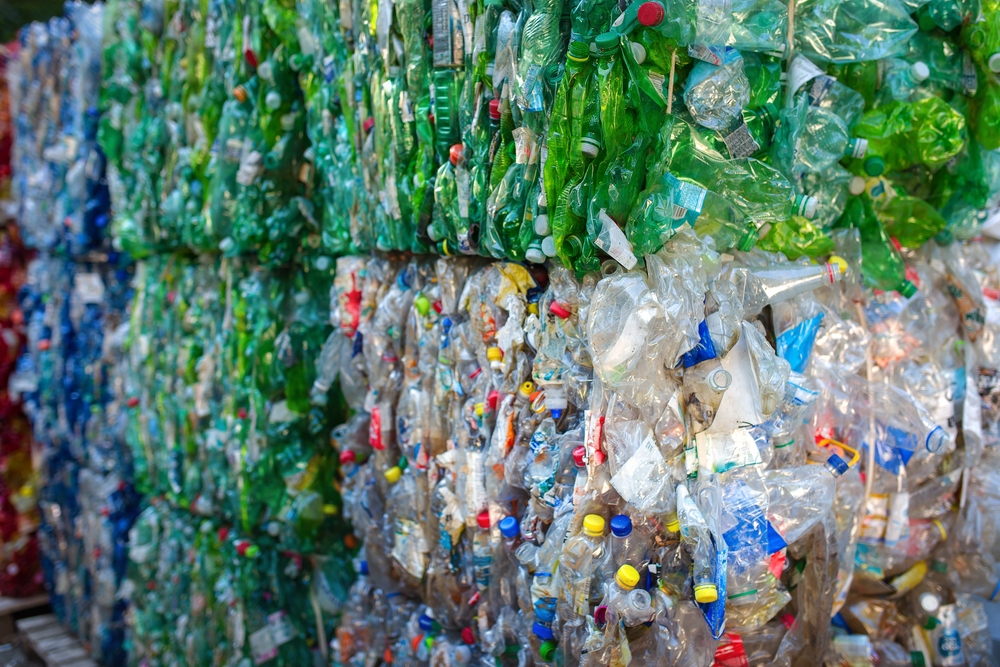
New research argues that solutions to the plastic waste crisis are often pitched using words that can skew value judgements.
Led by the Sustainable Materials Innovation Hub at The University of Manchester, the research explores the consequences of terminology choices on end-of-life solutions for pl…
Source: Innovation News Network

AI News Q&A (Free Content)
Q1: What are some of the consequences of using misleading language in the context of plastic waste solutions?
A1: The use of misleading language in plastic waste solutions can skew public perception and policy decisions. It may lead to overestimation of the effectiveness of certain solutions, such as recycling, and underestimation of more sustainable alternatives like reduction and reuse. This can result in inefficient allocation of resources and hinder progress towards genuine sustainability.
Q2: How does plastic pollution impact marine life and ecosystems?
A2: Plastic pollution significantly affects marine life through ingestion, entanglement, and exposure to toxic chemicals. Marine animals often mistake plastic for food, leading to physical harm or death. Entanglement in plastic debris can cause injury or hinder mobility. Furthermore, chemicals leached from plastics can disrupt hormonal and physiological processes in marine organisms, affecting biodiversity and ecosystem health.
Q3: What are the latest scholarly findings on optimizing waste collection systems to address plastic waste issues?
A3: Recent studies propose robust optimization models for municipal solid waste systems, focusing on efficient collection point networks and minimizing operational costs. By considering uncertainties like waste generation rates, these models aim to enhance the sustainability of waste management systems. They demonstrate competitive solutions that balance costs with the frequency of waste collection, improving urban sustainability and livability.
Q4: Why has the COVID-19 pandemic increased plastic waste, and what are its implications?
A4: During the COVID-19 pandemic, the demand for protective equipment and packaging surged, leading to increased plastic production and waste. This rise in plastic waste, especially from medical sources, has exacerbated ocean pollution. The pandemic highlights the need for better waste management strategies and the risks associated with single-use plastics, emphasizing the importance of sustainable practices.
Q5: How does the amendment to the Basel Convention aim to address global plastic waste issues?
A5: The 2019 amendment to the Basel Convention aims to regulate the international trade of plastic waste, preventing developed countries from exporting waste to developing nations. By mandating prior informed consent for plastic waste shipments, the amendment seeks to enhance global accountability and reduce environmental injustices, fostering better waste management practices worldwide.
Q6: What role does artificial intelligence (AI) play in improving plastic waste detection and recycling efficiency?
A6: AI technologies have been developed to enhance waste detection and classification, significantly improving recycling efficiency. One notable approach utilizes neural networks to categorize waste into types such as plastic, metal, and glass, achieving high precision and accuracy. This technological advancement aids in optimizing recycling processes and reducing environmental impact.
Q7: What are some of the predicted future impacts of plastic pollution if current trends continue?
A7: If current trends persist, plastic pollution could lead to more plastic than fish in the oceans by weight by 2050. This scenario would severely disrupt marine ecosystems, compromise food security, and pose health risks to humans. Addressing plastic pollution urgently is crucial to preventing these dire ecological and socio-economic consequences.
References:
- Plastic pollution - https://en.wikipedia.org/wiki/Plastic_pollution
- Waste detection in Pomerania: non-profit project for detecting waste in environment - https://arxiv.org/abs/2105.01234
- Optimization of waste collection through the sequencing of micro-routes and transfer station convenience analysis: an Argentinian case study - https://arxiv.org/abs/2211.01111