

Summary
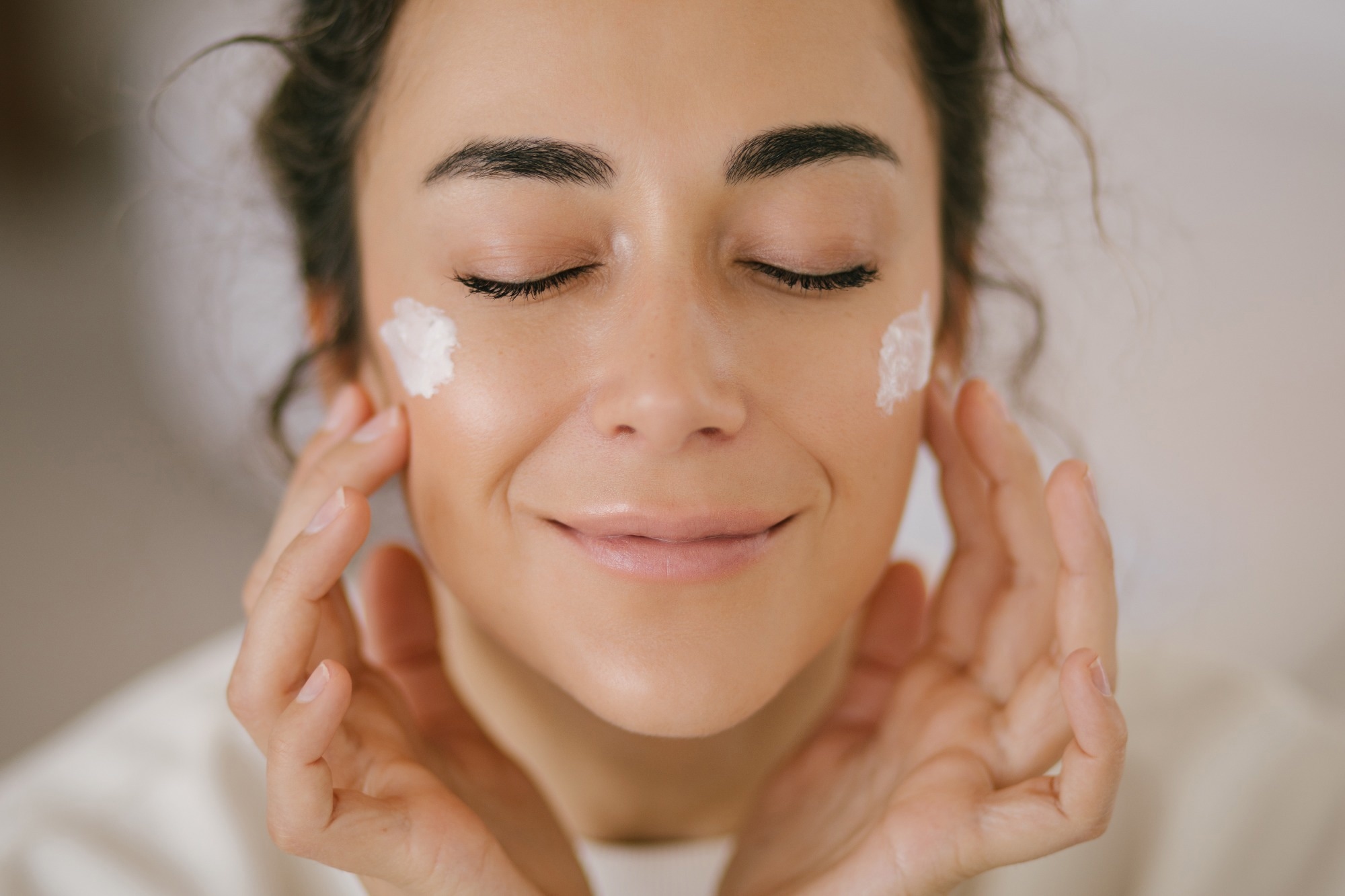
Current findings reveal no support for emotional benefits from probiotic cosmetics, highlighting the need for further investigation into neurocosmetics.
Source: news-medical.net

AI News Q&A (Free Content)
Q1: What are neurocosmetics, and how do they differ from traditional cosmetics?
A1: Neurocosmetics are skincare products that aim to have an impact on the brain and mood by interacting with the skin's nervous system. Unlike traditional cosmetics that focus solely on external appearance, neurocosmetics leverage the connection between neurological, immunological, and cutaneous systems to potentially influence mental well-being. This emerging field is still under investigation, with no conclusive evidence supporting the emotional benefits of these products.
Q2: What recent research has been conducted on the mood improvement potential of probiotic skincare?
A2: A recent clinical trial published in npj Mental Health Research explored the potential mood-enhancing effects of probiotics. The study showed that probiotics could reduce negative mood in healthy adults over a two-week period. The research highlighted the significance of daily mood tracking in assessing probiotic effects, suggesting the gut-brain connection plays a crucial role in mental health.
Q3: How does probiotic intake affect emotional processing according to recent studies?
A3: Recent studies indicate that probiotics may improve emotional processing by enhancing the ability to recognize facial expressions. This suggests a potential subtle boost in emotional awareness. Probiotics might also serve as an early intervention strategy, particularly benefiting individuals with higher risk aversion linked to vulnerability to depression.
Q4: What are the findings on probiotics' impact on sleep quality and mood?
A4: Research indicates probiotics can improve sleep quality, which in turn positively affects mood. Improved sleep quality has been correlated with reduced depressive symptoms, anger, and fatigue. This suggests that probiotics might influence mood indirectly by enhancing sleep, which is closely linked to mood regulation.
Q5: What are the challenges in assessing the efficacy of probiotic skincare products?
A5: One significant challenge in assessing the efficacy of probiotic skincare is the lack of effective simulation models to predict how these products affect facial skin over time. Additionally, the natural fluctuations in skin conditions due to external stressors or natural rhythms introduce variability in clinical data, complicating the evaluation of product effectiveness.
Q6: What role does the gut-brain connection play in mental health, according to current research?
A6: Current research underscores the gut-brain connection as a pivotal factor in mental health. The gut microbiome is linked to mood and emotional states, with probiotics showing potential to improve mood by influencing gut health. This connection is thought to affect mental health conditions like PTSD, ADHD, and schizophrenia.
Q7: Why might probiotics be considered a promising intervention for mood enhancement?
A7: Probiotics are considered promising for mood enhancement due to their potential subtle improvements in emotional processing and mood regulation, particularly in individuals with specific psychological traits like risk aversion. They offer a non-invasive, early intervention strategy that could prevent more severe mental health conditions.
References:
- Psychodermatology
- Evaluating the Efficacy of Skincare Product: A Realistic Short-Term Facial Pore Simulation
- Can Probiotics Improve Your Mood? Study Offers New Clues
- Probiotics Work as a Mood Booster in Healthy Adults
- Metabolic Model-based Ecological Modeling for Probiotic Design