Summary
You dont need to go without meat or dairy to afford your weekly shop. Heres how to choose lower-cost items and spot bargains.
Source: theconversation.com

AI News Q&A (Free Content)
Q1: What are some effective strategies to manage grocery bills amidst rising inflation?
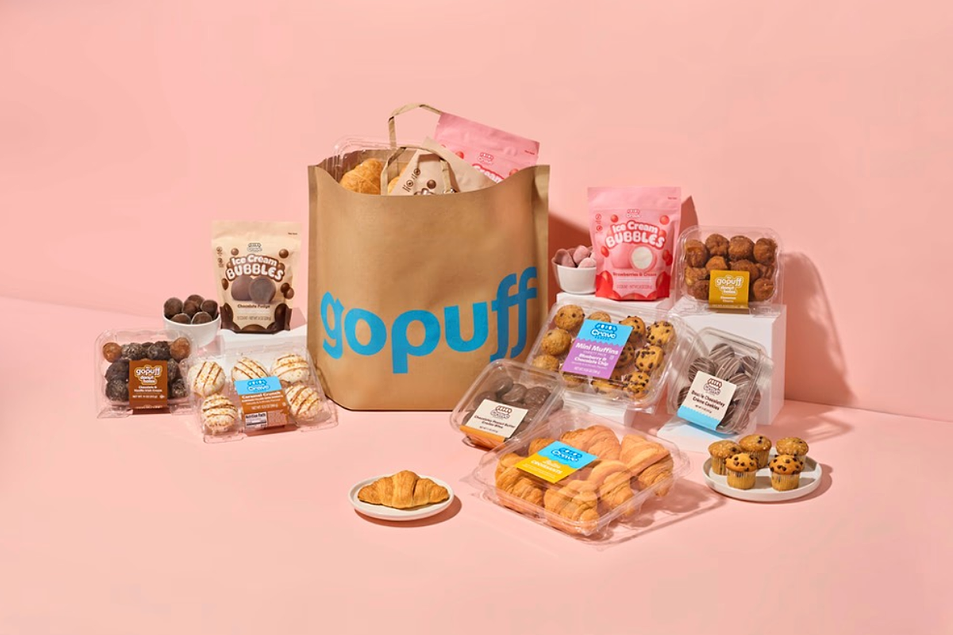
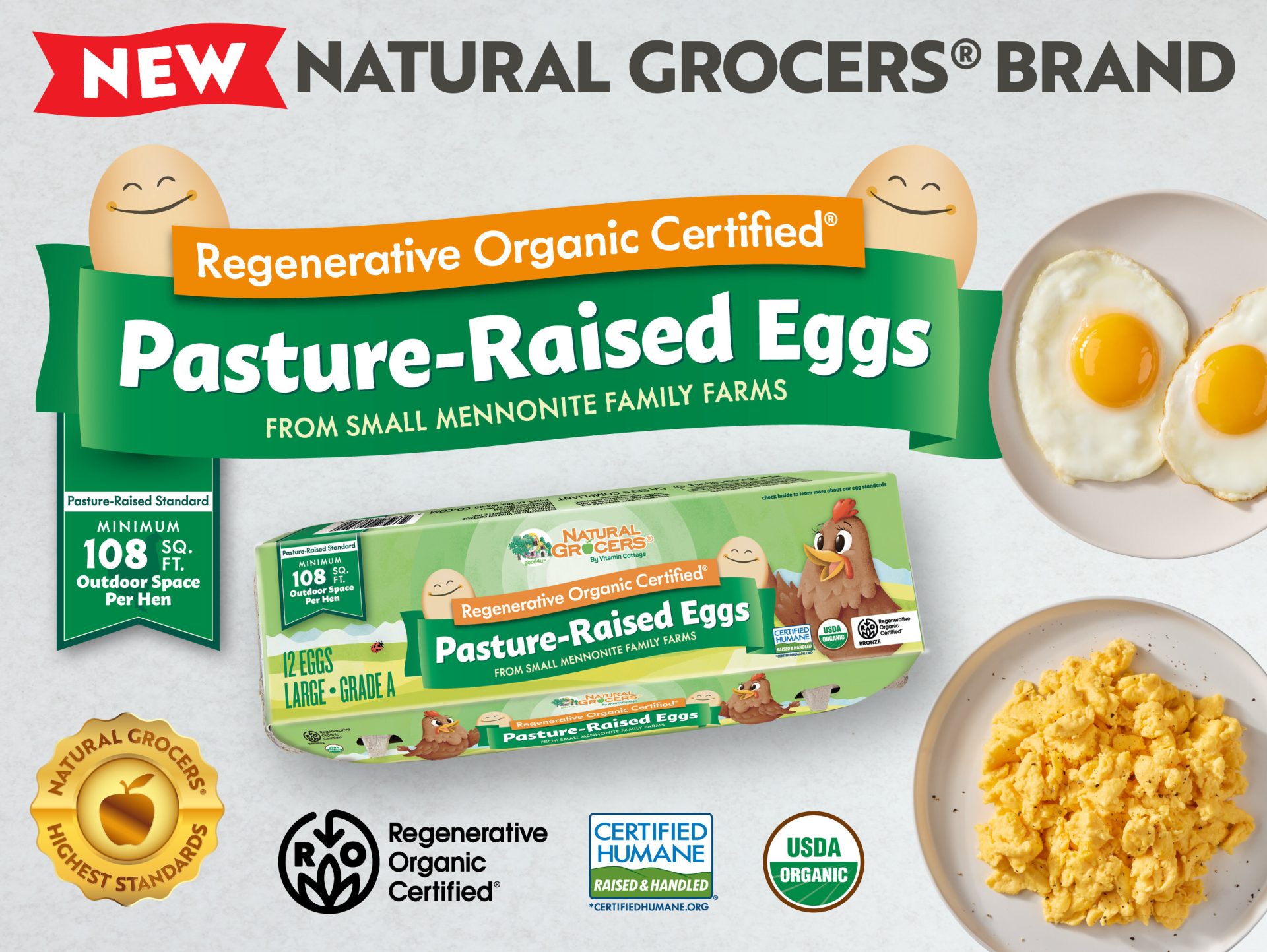
A1: To manage grocery bills during inflation, consumers can focus on meal planning, buy ingredients instead of prepared foods, and opt for store brands which can save 20-30%. Additionally, using smartphone apps for coupons and buying in bulk can further reduce costs. These strategies help in keeping the grocery budget in check without compromising on the quality of food.
Q2: How has online grocery shopping reshaped consumer behavior?
A2: The rise of online grocery shopping has significantly reshaped consumer behavior, especially post-COVID-19, with a focus on convenience and fast delivery. It has led to changes in shopping habits, with many consumers now preferring online platforms for their grocery purchases. This shift has been driven by the promise of quick deliveries and the convenience of ordering from home.
Q3: What recent trends are observed in consumer behavior due to grocery retail inflation?
A3: Recent trends indicate that consumers are making more frequent trips to grocery stores but are spending less per visit. There is a noticeable shift towards value-focused retailers, such as mass, club, and e-commerce platforms, as consumers prioritize affordability over brand loyalty due to rising prices.
Q4: What role does retail innovation play in grocery shopping during inflation?
A4: Retail innovation plays a crucial role in grocery shopping during inflation by helping retailers manage costs and provide value to consumers. Innovations such as personalized offers, digital coupons, and efficient supply chain management help retailers maintain competitiveness and customer loyalty even as prices rise.
Q5: How does food inflation impact consumer health and nutrition?
A5: Food inflation can negatively impact consumer health and nutrition as rising prices may lead to reduced access to healthy food options. Consumers might opt for cheaper, less nutritious food to manage costs, which could result in poor dietary habits and associated health issues.
Q6: What challenges do grocery retailers face due to rising inflation rates?
A6: Grocery retailers face several challenges due to rising inflation, including cash flow disruptions and reduced profit margins. They must balance maintaining competitive pricing with managing increased costs for fuel, materials, and labor. This often requires strategic adjustments in pricing, promotions, and inventory management.
Q7: How does consumer preference for store brands over name brands affect retail economics?
A7: The growing consumer preference for store brands over name brands can significantly affect retail economics by increasing competition among retailers to offer high-quality, cost-effective products. This trend can lead to a shift in market dynamics, with retailers focusing on enhancing their store brand offerings to attract budget-conscious consumers.