
Summary
A long-term study found heavy ultra-processed food intake is associated with early Parkinsons signs; Miami neurologists recommend Mediterranean-style eating.
Source: Hoodline

AI News Q&A (Free Content)
Q1: What is the link between ultra-processed food consumption and the risk of developing Parkinson's disease?
A1: Recent research indicates that individuals consuming a high amount of ultra-processed foods have a significantly increased risk of developing early signs of Parkinson's disease. A study found that people who consumed about 11 servings of ultra-processed foods daily had a 2.5 times higher likelihood of developing early Parkinson's symptoms compared to those who ate fewer servings. Ultra-processed foods include items like sodas, packaged snacks, and deli meats, which are rich in unhealthy nutrients such as excess sugar, sodium, and saturated fats. These foods are believed to contribute to brain-damaging inflammation, which could accelerate the onset of Parkinson's symptoms.
Q2: How does the Mediterranean diet potentially affect the progression and onset of Parkinson's disease?
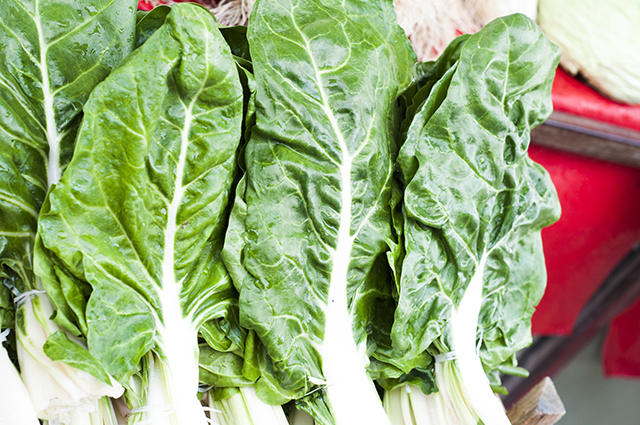
A2: The Mediterranean diet, which emphasizes the consumption of fruits, vegetables, whole grains, nuts, and olive oil, is associated with a decreased risk of Parkinson's disease onset and progression. This diet is rich in antioxidants and anti-inflammatory nutrients like omega-3 fatty acids and polyphenols, which may protect against neurodegenerative diseases. Studies suggest that adherence to this diet could delay the onset of Parkinson’s symptoms by several years, likely due to its effects on gut microbiota and the reduction of inflammation.
Q3: What are some of the early signs of Parkinson's disease that may be linked to ultra-processed food consumption?
A3: Early signs of Parkinson's disease that have been linked to high consumption of ultra-processed foods include non-motor symptoms such as depression, anxiety, and sleep disturbances. These symptoms, which precede the classic motor symptoms of Parkinson's, are thought to be exacerbated by the inflammatory and neurotoxic effects of food additives and unhealthy nutrients prevalent in ultra-processed foods.
Q4: What role does gut microbiota play in the relationship between diet and Parkinson's disease?
A4: Gut microbiota is believed to play a critical role in the relationship between diet and Parkinson's disease. The Mediterranean diet positively influences gut microbiota by increasing beneficial bacteria and short-chain fatty acid production, which have neuroprotective effects. This modulation of gut microbiota is linked to a lower risk of neurodegenerative diseases, including Parkinson's, by reducing inflammation and improving cognitive functions.
Q5: How do machine learning models contribute to understanding the extent of food processing and its health impacts?
A5: Machine learning models are being developed to predict the extent of food processing and its health impacts by analyzing the nutrient profiles of food products. These models can identify the degree of processing and help correlate it with adverse health effects, such as those seen with ultra-processed food consumption. By providing insights into food processing levels, these models aid in public health strategies to reduce the consumption of harmful ultra-processed foods.
Q6: What dietary recommendations are given to people at risk of Parkinson's disease?
A6: For individuals at risk of Parkinson's disease, it is recommended to follow a diet rich in whole foods, particularly the Mediterranean diet. This includes high intake of fruits, vegetables, whole grains, nuts, and olive oil, and low intake of saturated fats and processed foods. Such a diet is not only beneficial for overall health but also offers specific neuroprotective benefits that may delay or mitigate the progression of Parkinson's symptoms.
Q7: What are the proposed mechanisms by which ultra-processed foods contribute to neurological disorders?
A7: Ultra-processed foods may contribute to neurological disorders through several mechanisms, including the promotion of chronic inflammation and oxidative stress, both of which are linked to neurodegenerative diseases like Parkinson's. These foods often contain additives and preservatives that can exacerbate inflammation and disrupt normal neural functions. Additionally, the displacement of essential nutrients by ultra-processed foods can impair brain health and promote the onset of neurological symptoms.