
Summary
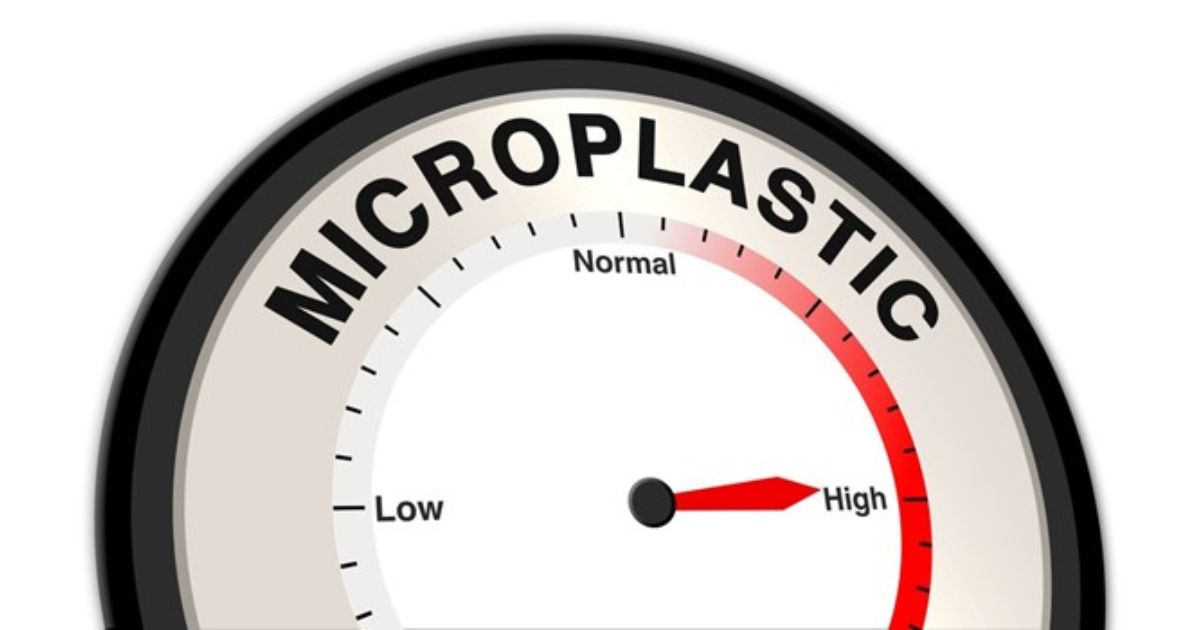
Microplastics have quietly made their way into every corner of our environment — and every corner of the human body.
Source: westernjournal.com

AI News Q&A (Free Content)
Q1: What are microplastics, and how do they enter the environment?
A1: Microplastics are synthetic solid particles or polymeric matrices with sizes ranging from 1 micrometer to 5 millimeters. They enter the environment through various sources, including cosmetics, clothing, construction materials, food packaging, and industrial processes. Primary microplastics are directly manufactured small particles like microbeads and microfibers, while secondary microplastics result from the breakdown of larger plastic items.
Q2: How do microplastics affect the human body according to recent studies?
A2: Microplastics have been found in various parts of the human body, such as the blood, liver, and lungs. They are associated with health risks like inflammation, reproductive problems, and potential links to cancer. Recent studies indicate that adults may ingest up to a credit card's worth of microplastics weekly, contributing to potential cardiovascular and neurological issues.
Q3: What are the potential environmental impacts of microplastics, particularly on marine and terrestrial ecosystems?
A3: Microplastics persist in aquatic and marine ecosystems, where they cause pollution. They can be ingested by marine organisms, leading to malnutrition, inflammation, and even mortality. On land, microplastics can lower soil viability. They also contribute to air pollution and have been detected in both indoor and outdoor environments.
Q4: What recent technological developments are being used to detect and manage microplastics in the environment?
A4: A novel robotic platform has been developed to detect and analyze microplastics on beach surfaces. This autonomous system uses cameras and near-infrared spectroscopic sensors to identify and chemically analyze microplastics in real-time. Such technological advancements are crucial for mapping microplastic concentrations and enhancing environmental management efforts.
Q5: What are the challenges of removing microplastics from the human body, and what methods are being explored?
A5: Removing microplastics from the human body is challenging due to their small size and widespread presence. While research is ongoing, some methods being explored include reducing exposure through dietary changes and using filtration systems to remove microplastics from water and air. However, comprehensive solutions are still under development.
Q6: How does chronic exposure to microplastics affect neurological health?
A6: Chronic exposure to microplastics, especially starch-based types, has been linked to neurological health issues in animal studies. In mice, such exposure disrupted fatty acid metabolism and increased Alzheimer's disease-like pathology. The microplastics influenced the gut-brain axis, leading to neuroinflammation and cognitive impairments.
Q7: What regulatory advice exists to mitigate the impact of microplastics on human health?
A7: Regulatory advice focuses on reducing exposure to microplastics by promoting the use of biodegradable alternatives and improving waste management practices. Nationally recognized organizations emphasize the importance of reducing plastic waste and enhancing public awareness of microplastic sources and health impacts.
References:
- Microplastics - Wikipedia
- A novel autonomous microplastics surveying robot for beach environments
- A novel autonomous microplastics surveying robot for beach environments
- Chronic Starch-Based Microplastic Exposure Enhances the Risk of Alzheimer's Disease in Mice by Perturbing the Gut-Brain Axis.
- Chronic Starch-Based Microplastic Exposure Enhances the Risk of Alzheimer's Disease in Mice by Perturbing the Gut-Brain Axis.