Summary
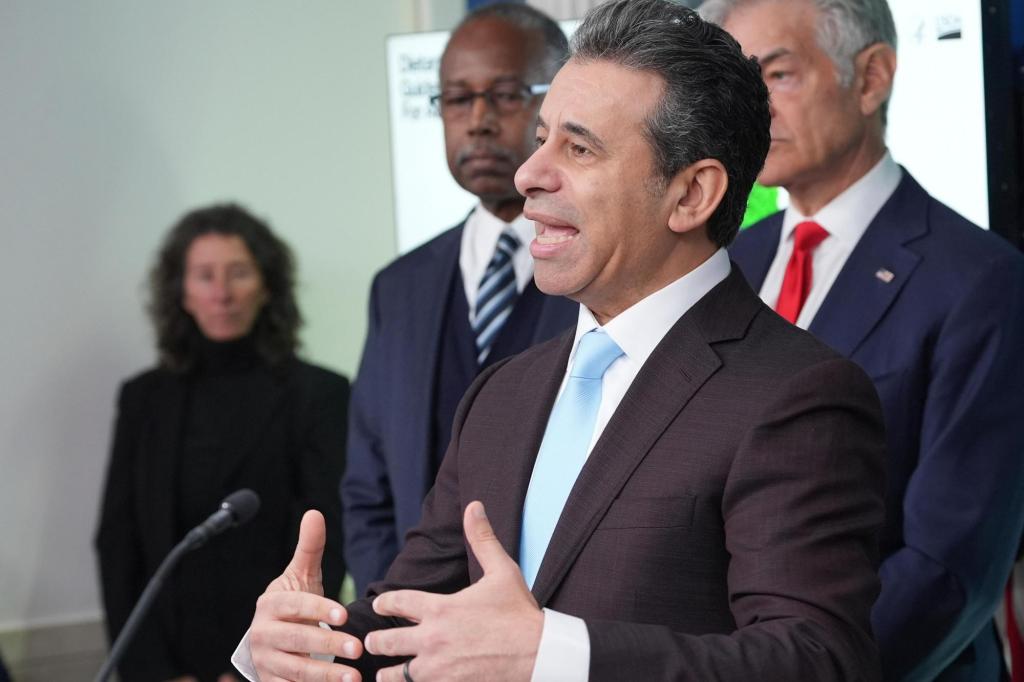
A plan to slash Food and Drug Administration drug review times is raising alarms at the public health agency thats been rocked by recent layoffs and resignatio…
Source: ocregister.com

AI News Q&A (Free Content)
Q1: What are the main expedited programs offered by the FDA to accelerate drug approval, and how do they impact review times?
A1: The FDA offers several expedited programs, including Priority Review, Breakthrough Therapy, Accelerated Approval, and Fast Track. Priority Review reduces the review timeline from 10 to 6 months for drugs that significantly improve treatment of serious conditions. Breakthrough Therapy and Fast Track designations also aim to expedite development and review, particularly for treatments showing substantial advantages over existing options. These programs can decrease median development time by over a year compared to non-expedited processes.
Q2: How does the FDA's Priority Review differ from its standard review process?
A2: Priority Review is a designation that shortens the FDA's review goal to 6 months instead of the usual 10 months for standard reviews. It is granted to drug applications that, if approved, would significantly improve the treatment, diagnosis, or prevention of serious conditions. This acceleration does not compromise the scientific or medical standards required for approval.
Q3: What is the Commissioner's National Priority Voucher (CNPV) pilot program and how does it further expedite FDA drug reviews?
A3: The CNPV pilot program, announced in June 2025, aims to cut review times from 10-12 months to just 1-2 months for drugs aligning with critical U.S. health priorities. This is achieved through a multidisciplinary team-based evaluation process, maintaining FDA's high safety and efficacy standards while facilitating faster approvals.
Q4: What factors influence whether a drug receives an expedited review designation from the FDA?
A4: Factors include the drug's potential to address significant unmet medical needs, especially in serious or life-threatening conditions. Drugs targeting rare diseases often receive expedited reviews, with approval occurring about 3.5 months faster than for treatments for more common conditions. The complexity of the drug, its therapeutic class, and the novelty of its mechanism can also impact designation.
Q5: What impact did the COVID-19 pandemic have on FDA drug approval times, and how have they changed since?
A5: During the pandemic, first-cycle approval rates dipped due to resource constraints and increased application volumes. However, post-pandemic, these rates have rebounded, with a renewed emphasis on expedited programs to address backlogs and maintain efficient approval timelines.
Q6: How do expedited pathways affect the overall development time for new drugs?
A6: Expedited pathways significantly reduce the overall development time for new drugs. For example, drugs with designations like accelerated, breakthrough, or fast track can have a median development time of 6 years compared to 7.2 years without these designations, enhancing the likelihood of quicker approval and market entry.
Q7: What is the role of the FDA's guidance documents in the expedited drug review process?
A7: FDA guidance documents provide a framework for expedited drug review processes, detailing criteria for designations like Priority Review and Breakthrough Therapy. They outline the application process, expected timelines, and maintain the integrity of scientific standards. These documents help ensure transparency and consistency in the expedited review process.
References:
- Impact of FDA Expedited Review Programs on New Drug Approval Time Ronnebaum SM, Evidera Inc.
- How long does FDA approval take after Phase Three?
- Commissioner's National Priority Voucher (CNPV) pilot program overview
- Priority Review - FDA
- FDA - Wikipedia