Summary
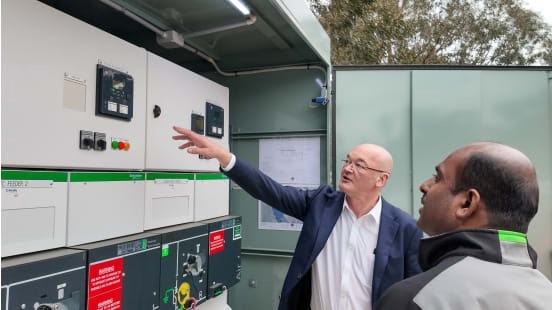
La Trobe University has cut its operational carbon emissions by 80 percent, equivalent to 45,000 tons of CO 2 delivered in partnership with global energy technology partner Schneider Electric.
Image Credit: Schneider Electric
In collaboration with Schneider Electric and other partners, La Trobe de…
Source: AZoCleantech

AI News Q&A (Free Content)
Q1: How has La Trobe University achieved an 80% reduction in carbon emissions?
A1: La Trobe University achieved an 80% reduction in operational carbon emissions through a partnership with Schneider Electric. This initiative involved implementing a multi-campus energy system, which includes Victoria's largest urban solar farm, battery energy storage, and electric vehicle chargers. These measures are part of the university's Net Zero 2029 program, aimed at modernizing infrastructure and integrating renewable energy sources.
Q2: What role does Schneider Electric play in La Trobe University's Net Zero program?
A2: Schneider Electric has been instrumental in La Trobe University's Net Zero program by providing state-of-the-art energy technology solutions. This includes solar farms, battery storage systems, and electric vehicle charging infrastructure, which collectively contribute to significant carbon emissions reductions and enhance energy reliability across the university campuses.
Q3: What are some of the technological advancements used in La Trobe University's sustainability efforts?
A3: La Trobe University's sustainability efforts include the deployment of solar panels generating 2.9MW of renewable energy, battery energy storage with 2.5MW/4.5MWh capacity, and electric vehicle charging stations. These advancements are part of a broader strategy to create a fully electric and energy-resilient campus environment, aligning with their Net Zero 2029 goals.
Q4: What are the broader implications of Schneider Electric's carbon reduction technologies in other sectors?
A4: Schneider Electric's carbon reduction technologies, such as digital building management systems and microgrids with renewable energy sources, have broader implications across various sectors. These technologies can potentially reduce carbon emissions in office buildings by up to 70%, showcasing their effectiveness in contributing to decarbonization efforts on a global scale.
Q5: What recent research exists on the sustainability practices in higher education?
A5: Recent research indicates that higher education institutions are increasingly adopting sustainability practices to reduce carbon footprints. These include integrating renewable energy systems, enhancing energy efficiency, and engaging in comprehensive sustainability programs to achieve net-zero emissions, as exemplified by La Trobe University and other institutions.
Q6: How does the integration of digital solutions enhance sustainability in buildings?
A6: The integration of digital solutions, such as those provided by Schneider Electric, enhances sustainability in buildings by improving energy efficiency and reducing carbon emissions. Digital building management systems can optimize energy usage, while electric solutions replace fossil fuel-powered systems, achieving substantial operational emission reductions.
Q7: What are the future goals for La Trobe University in terms of sustainability?
A7: La Trobe University aims to continue scaling its net-zero efforts across its campuses over the next five years. This includes further electricity distribution upgrades and the integration of more advanced energy management technologies to support their ambitious goal of achieving net-zero emissions by 2029.
References:
- La Trobe University Cuts Emissions by 80 % in Landmark Net Zero Program - AZoCleantech
- Schneider Electric's New Research Shows That Digital and Electric Solutions Can Cut Carbon Emissions in Office Buildings by Up to 70%
- Schneider Electric Aims to Cut Carbon Footprint - Green Century
- The New Role of Digital in Reducing Carbon Emissions for Sustainable Manufacturing - SE Blog