Summary
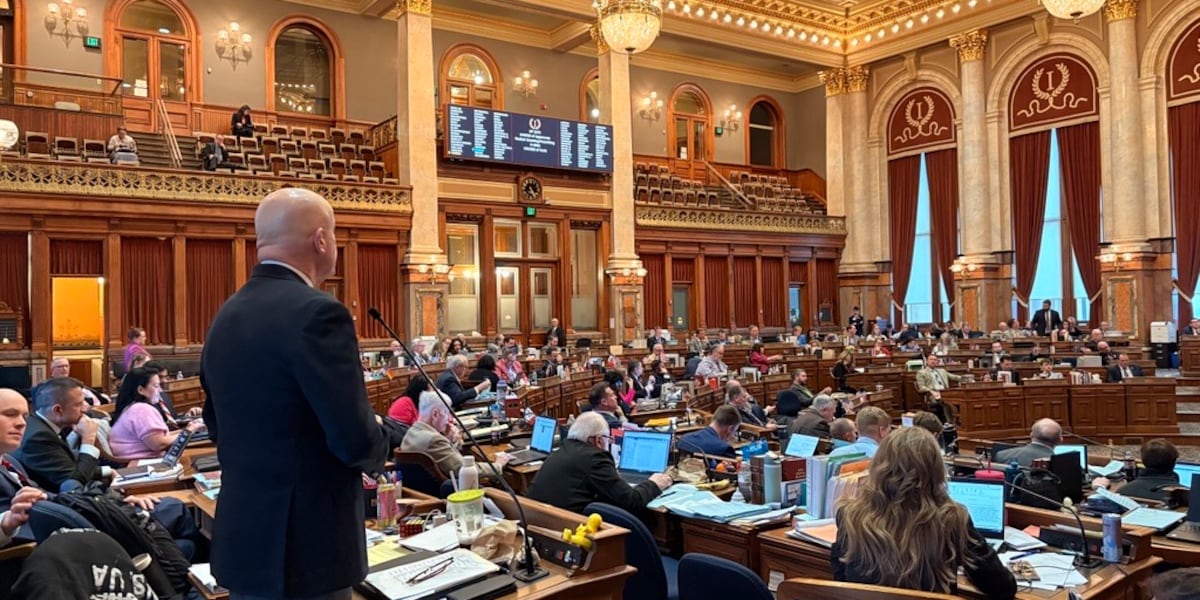
DES MOINES, Iowa (Gray Media Iowa Capitol Bureau) – The Iowa House passed a wide-ranging health policy bill Tuesday in a 65-30 vote, moving Iowans closer to expanded access to certain medications, including ivermectin, and introducing new restrictions on school meal ingredients and food assistance p…
Source: knopnews2.com

AI News Q&A (Free Content)
Q1: What are the key components of the new Iowa House health policy bill regarding school meal ingredients?
A1: The Iowa House bill prohibits schools from serving meals with certain artificial dyes such as Blue Dye 1 and 2, Green Dye 3, Potassium Bromate, Propylparaben, Red Dye 40, Yellow Dye 5, and Yellow Dye 6, unless these foods are part of a USDA program. This aims to limit the use of synthetic additives in school meals, reflecting a push towards healthier food options for students.
Q2: How does the bill propose to change the accessibility of ivermectin in Iowa?
A2: The bill allows ivermectin to be distributed as an over-the-counter medication by pharmacists, removing it from prescription-only status. This change is part of a broader effort to make certain medications more accessible to the public, although it has raised concerns due to the lack of FDA approval for ivermectin in treating COVID-19.
Q3: What are the potential health implications of consuming synthetic food dyes, according to recent studies?
A3: Research indicates that synthetic food dyes can have various adverse health effects, particularly in children. These may include behavioral changes and allergenic reactions. The bill's restrictions on these dyes reflect concerns about their impact on health and wellbeing, prompting a shift towards eliminating these additives from school environments.
Q4: What advancements have been made in finding sustainable alternatives to synthetic food ingredients?
A4: Recent studies have highlighted the role of microbial biosurfactants as natural alternatives to synthetic surfactants in the food industry. These compounds, produced by microorganisms, offer emulsifying, antimicrobial, and antioxidant properties, making them suitable for various food applications while being environmentally sustainable.
Q5: How does the bill align with federal programs like SNAP and Summer EBT in terms of nutritional guidelines?
A5: The bill aims to ensure continuous participation in SNAP and aligns with federal nutritional guidelines by defining 'eligible foods' as 'healthy foods' under USDA standards. This alignment helps in maintaining the provision of nutritional benefits without interruption, promoting healthier food choices within federal assistance programs.
Q6: What concerns have been raised about making ivermectin available over-the-counter, and how have different states approached this?
A6: Concerns about making ivermectin available over-the-counter include the potential for misuse and adverse health effects, as the FDA has not approved it for COVID-19 treatment. States like Tennessee have allowed OTC sales, while others like Louisiana require a physician's order, highlighting varying approaches to its distribution.
Q7: What are the broader implications of this bill for health policy and public health in Iowa?
A7: The bill represents a significant shift in health policy by promoting access to alternative medications and restricting harmful food additives. It reflects a growing emphasis on public health and nutrition, aiming to improve the overall health of Iowans by addressing both pharmaceutical and dietary concerns.
References:
- Biosurfactants in Food: Advances, Innovative Applications and Functional Perspectives