Summary
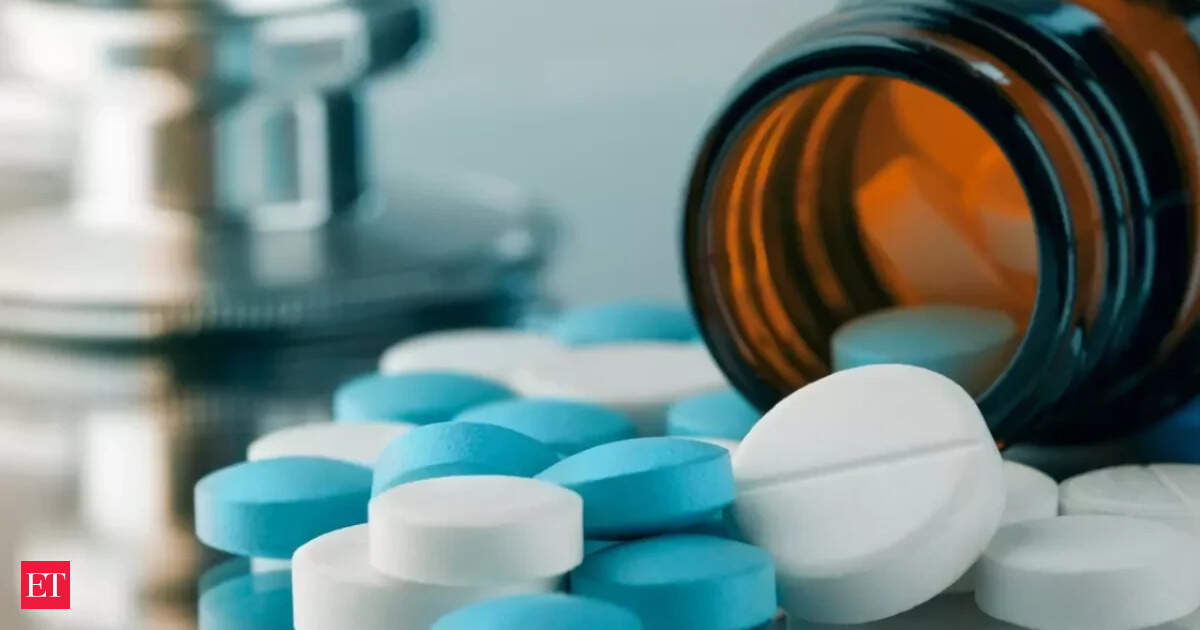
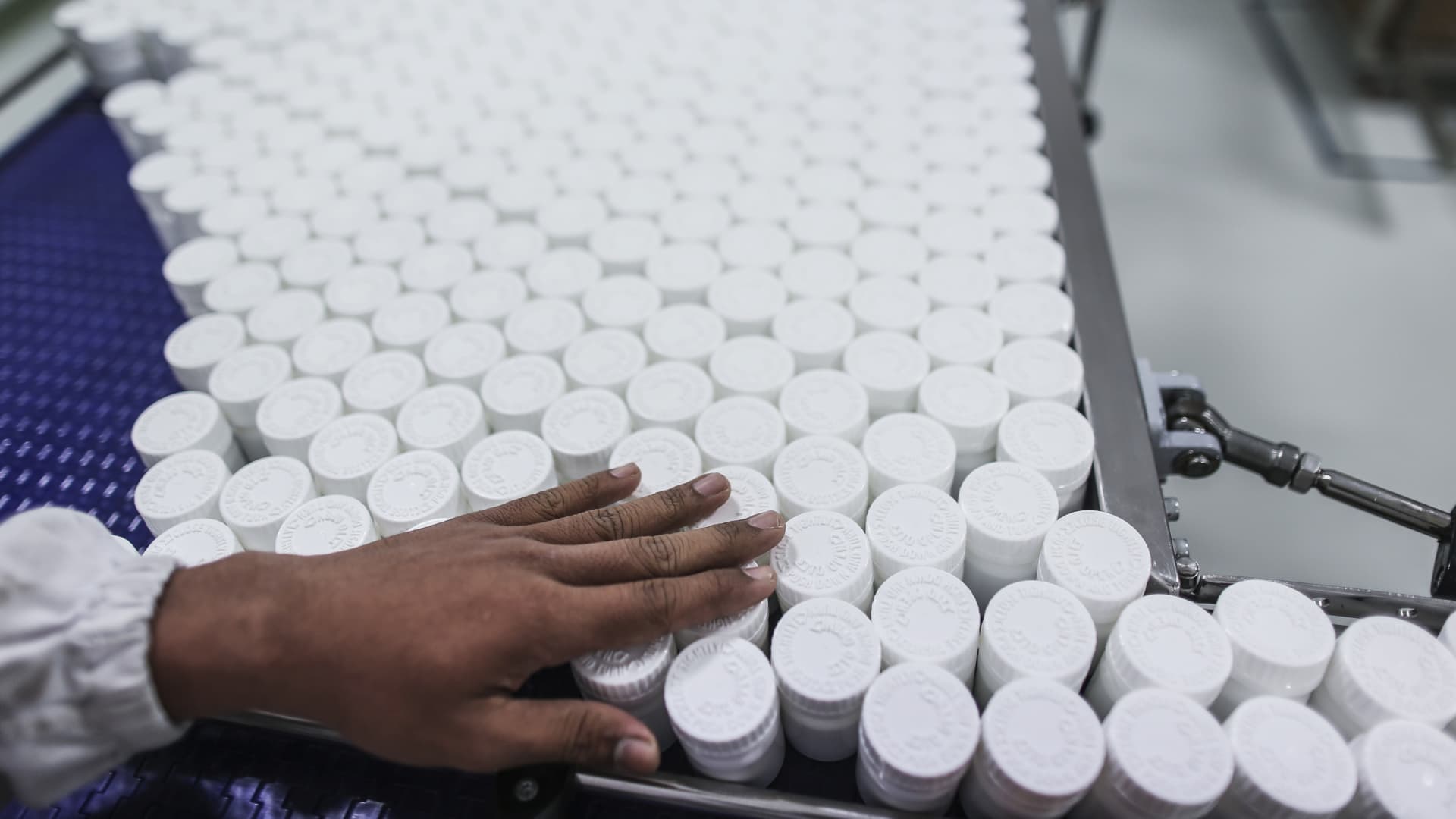
Halfof US generic drugs are made in India and transit the Strait of Hormuz. Supply chains prepare for emergencies, but prescription stockpiles are limited.
Source: cnbc.com

AI News Q&A (Free Content)
Q1: How does the geographical location of the Strait of Hormuz impact the global pharmaceutical supply chain?
A1: The Strait of Hormuz, located between the Persian Gulf and the Gulf of Oman, serves as a critical chokepoint for global maritime trade, including the transport of pharmaceuticals. Approximately 20% of the world's petroleum passes through this narrow waterway, alongside varied goods including pharmaceuticals. Any disruption in this region can significantly affect supply chains, particularly for countries like the US that rely on pharmaceutical imports transiting through this route.
Q2: What are the potential consequences for the US pharmaceutical industry if the Strait of Hormuz is obstructed?
A2: An obstruction of the Strait of Hormuz could lead to significant delays in drug shipments, impacting the availability of generic drugs in the US, half of which are manufactured in India and transported via this route. This can lead to shortages, increased drug prices, and strain on emergency stockpiles, ultimately affecting patient care and the healthcare system.
Q3: How do multi-tier consolidation strategies optimize supply chain operations in complex networks?
A3: Multi-tier consolidation strategies in supply chains involve optimizing material relationships across different tiers of the network, which can result in cost reductions through improved procurement processes. These strategies leverage quantity discounts, inventory holding, and transport cost reductions to achieve overall cost efficiency, as discussed in recent research on aerospace manufacturing supply chains.
Q4: What measures can pharmaceutical companies take to mitigate risks associated with the Strait of Hormuz?
A4: Pharmaceutical companies can mitigate risks by diversifying their supply routes, increasing inventory levels, and developing contingency plans for alternative transport methods. Additionally, collaboration with international trade bodies and investing in supply chain security technologies can enhance resilience against potential disruptions in the Strait of Hormuz.
Q5: What role does the Critical Foreign Dependencies Initiative play in protecting the US pharmaceutical supply chain?
A5: The Critical Foreign Dependencies Initiative (CFDI) identifies foreign infrastructure critical to US interests, including supply chain components. By recognizing dependencies, the CFDI helps prioritize security measures and diplomatic engagements to protect these assets from threats, ensuring the continuity of essential supply chains like pharmaceuticals.
Q6: How do recent advancements in supply chain data extraction enhance pharmaceutical logistics?
A6: Recent advancements, such as the use of Large Language Models (LLMs) for SQL data extraction, enhance pharmaceutical logistics by enabling more accurate and efficient data retrieval from complex supply chain databases. This technology allows non-technical stakeholders to access structured supply chain data, facilitating better decision-making and operational efficiency.
Q7: What security properties are crucial for safeguarding pharmaceutical supply chains?
A7: According to recent research, transparency, validity, and separation are key security properties for safeguarding supply chains. Implementing these properties ensures that supply chain operations are secure from attacks, which is crucial for maintaining the integrity and reliability of pharmaceutical logistics.
References:
- Geography of Iran
- Critical Foreign Dependencies Initiative
- Exploitation of material consolidation trade-offs in multi-tier complex supply networks
- SoK: Analysis of Software Supply Chain Security by Establishing Secure Design Properties