Summary
Its super convenient to use your phone to check out at the grocery store, and its tough to imagine that as recently as a decade ago the idea of checking out without your wallet seemed like a far-off futuristic concept. From online grocery shopping options that may be more pricey to smart carts tha…
Source: Chowhound

AI News Q&A (Free Content)
Q1: What is the 'Smile to Pay' concept and where was it first implemented in China?
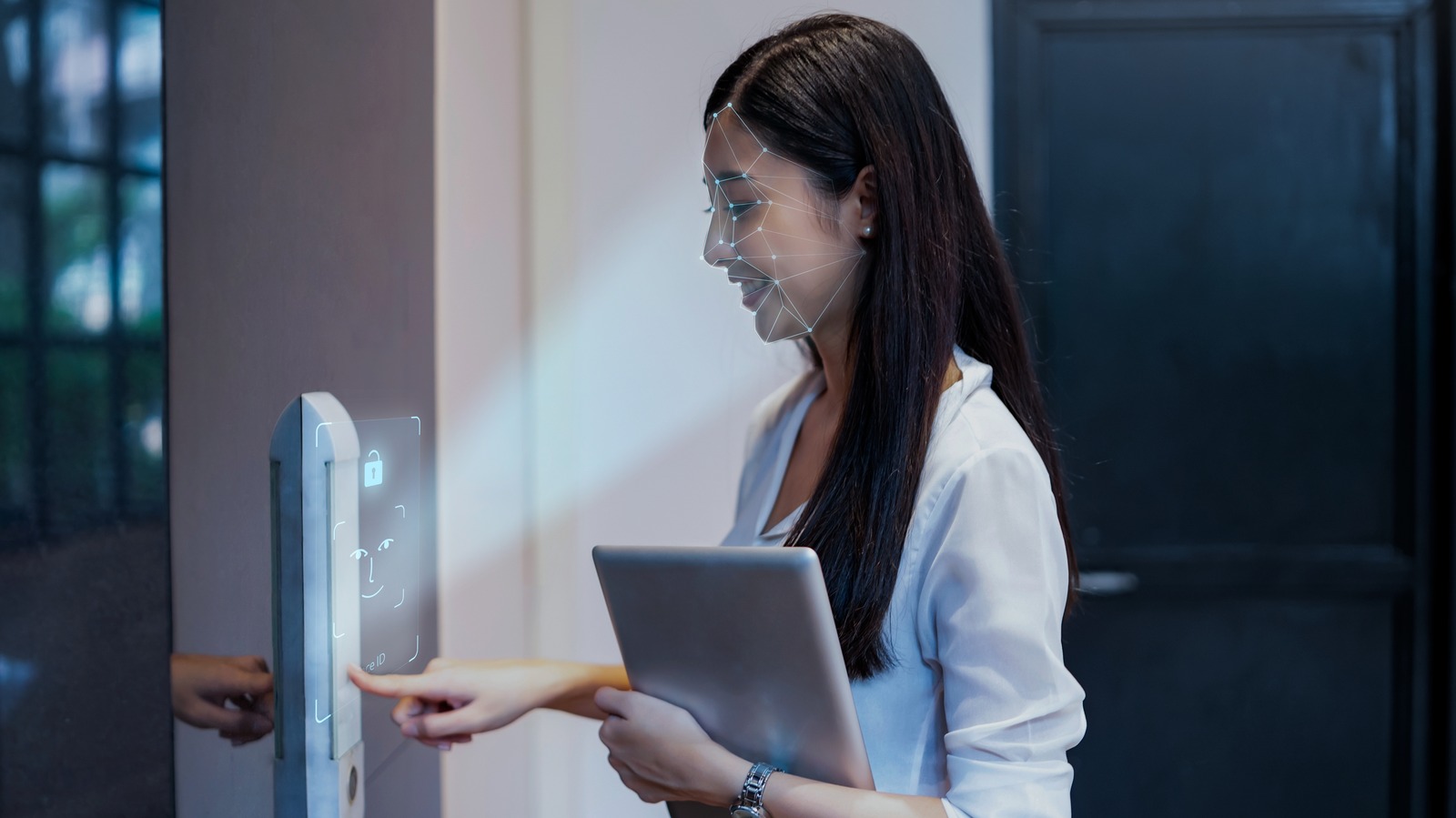
A1: The 'Smile to Pay' concept is a facial recognition payment system where users can authenticate payments simply by smiling at a camera. It was first implemented in 2017 at a KFC concept store in Hangzhou, China. This technology links facial recognition with Alipay or WeChat Pay accounts, allowing transactions without the need for a smartphone or physical currency.
Q2: How does the use of facial recognition technology in retail impact privacy and what regulations are in place in China?
A2: Facial recognition technology in retail raises significant privacy concerns as it involves capturing and storing biometric data. In China, the Personal Information Protection Law, enacted in 2021, and subsequent regulations in 2025 aim to protect users by prohibiting forced facial recognition and requiring consent before enrollment. Visible signage for active facial recognition and alternative payment methods are also mandated to safeguard privacy.
Q3: What are some technological advancements in retail that help businesses adapt to consumer trends?
A3: Retail businesses are leveraging advanced data analytics to understand consumer behavior and make informed decisions. Technologies like AI, AR, and robotics improve efficiency, personalize interactions, and enhance customer engagement. This allows retailers to forecast trends, optimize inventory, and provide personalized experiences, thus adapting to evolving consumer demands.
Q4: What are the potential societal benefits of extending delivery times in online grocery shopping?
A4: Extending delivery times in online grocery shopping can significantly reduce urban traffic congestion and CO2 emissions. A study revealed that allowing just five additional minutes in delivery time could decrease daily delivery mileage by 30% and life-cycle CO2 emissions by 20%, highlighting the environmental benefits of modest increases in consumer patience.
Q5: How does facial recognition technology enhance consumer convenience in grocery stores?
A5: Facial recognition technology enhances consumer convenience by reducing checkout time and eliminating the need to carry smartphones or wallets. In grocery stores, this technology allows for quick, contactless payments by simply scanning the consumer's face, thus streamlining the shopping experience and integrating loyalty programs seamlessly.
Q6: What are the main privacy concerns associated with facial recognition technology in retail?
A6: The main privacy concerns with facial recognition technology include the potential for mass surveillance, data breaches, and the misuse of biometric data. Faces, unlike other data types, cannot be encrypted or easily changed, increasing risks of identity theft and unauthorized surveillance. Ensuring informed consent and transparency are crucial to addressing these privacy issues.
Q7: What are the findings of recent scholarly research on facial expression recognition and its applications?
A7: Recent scholarly research indicates that advanced deep learning techniques can significantly improve facial expression recognition accuracy, achieving over 90% accuracy in certain datasets. Such technologies are applicable in human-computer interactions, security, and surveillance, although challenges remain in generalizing these systems for diverse real-world scenarios.
References:
- Mobile payments in China
- Alipay introduces facial recognition for payments in China
- Key Milestones in Face Pay Adoption
- SAFER: Situation Aware Facial Emotion Recognition
- The Value of Patience in Online Grocery Shopping
- Leveraging Technology to Adapt to Consumer Trends
- Facial Recognition Technology and Privacy Concerns