Summary
Alcohol consumption is declining in France, but in a country where wine in particular is linked to sociability and national identity, drinking less or going tee…
Source: en.rfi.fr

AI News Q&A (Free Content)
Q1: How has the cultural significance of wine in France contributed to its identity, and how is this changing?
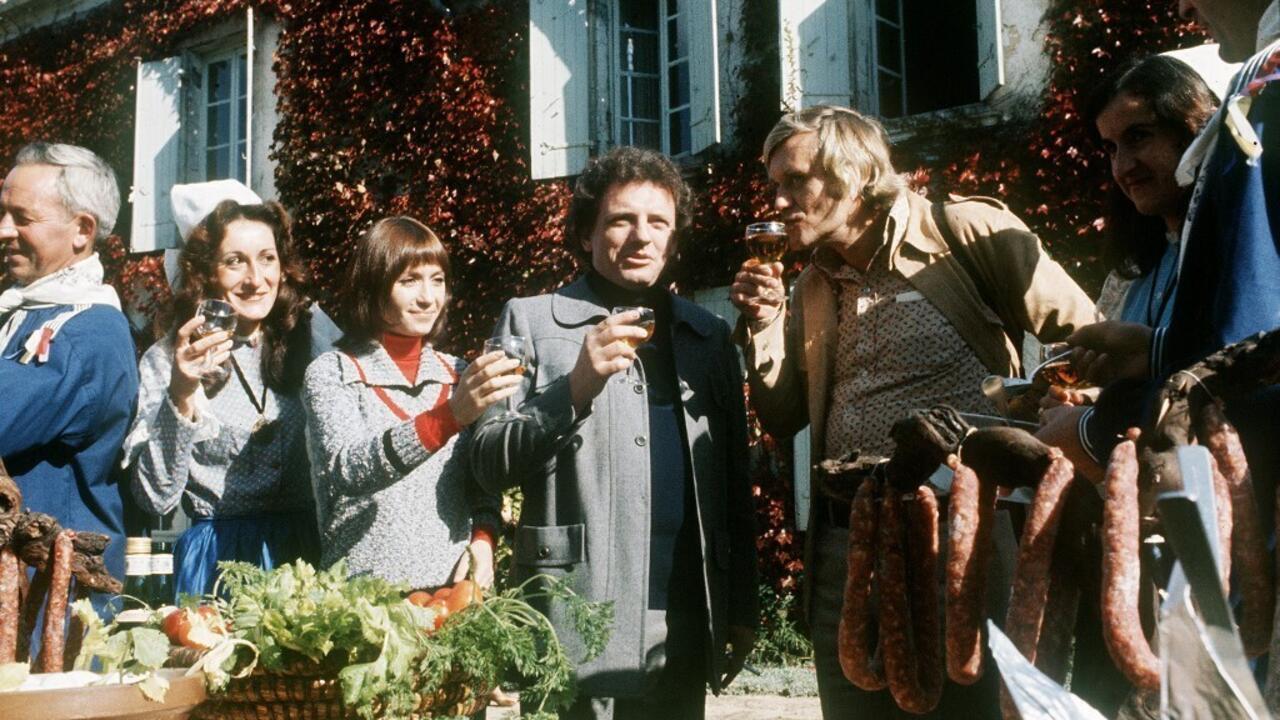
A1: Wine in France is deeply embedded in the national identity, often viewed as a 'totem drink' that symbolizes French culture. Historically, wine consumption was a national practice, celebrated during family gatherings, festivals, and local fairs. However, recent trends indicate a fragmentation in wine consumption due to rising health awareness and lifestyle changes. The Loi Evin and WHO Alcohol Action Plan have influenced these shifts, promoting moderation and health consciousness among the French populace.
Q2: What are the recent trends in alcohol consumption in France and how do they reflect broader societal changes?
A2: Recent studies show a significant decline in alcohol consumption in France, particularly in wine sales, which decreased by 4.2% between 2022 and 2023. This decline is partly due to changing consumer preferences and public health campaigns emphasizing moderation. Younger generations are also drinking less, with a 31% decrease in daily alcohol consumption among 17-year-olds from 2017 to 2022. These shifts reflect a growing trend towards healthier lifestyles and changing societal norms.
Q3: How have public health policies in France impacted alcohol consumption?
A3: Public health policies, such as the Loi Evin, have played a crucial role in reducing alcohol consumption in France. These regulations limit alcohol advertising and promote awareness about the health risks of excessive drinking. As a result, there has been a notable decrease in alcohol-related hospital admissions and a shift towards moderate drinking behaviors. This dynamic illustrates the balance between cultural traditions and public health priorities.
Q4: In what ways has the French market for non-alcoholic beverages evolved recently?
A4: The French market for non-alcoholic beverages has seen substantial growth, with a 4% increase in the consumption of 'no-low' drinks from 2024 to 2025. This market includes non-alcoholic beers, cocktails, and spirits, reflecting a broader trend towards healthier consumption choices. The rise in popularity of these beverages indicates a cultural shift toward reducing alcohol intake while maintaining social rituals.
Q5: What role does wine play in the social rituals and identity of the French culture?
A5: Wine is integral to French social rituals, often accompanying meals and celebrations. It is perceived as a symbol of hospitality and tradition, deeply tied to the French way of life. Despite the decline in consumption, wine remains a cultural emblem, celebrated in social settings like wine tasting clubs and festivals, where it reinforces communal and regional identities.
Q6: What are the economic implications of declining wine sales in France?
A6: The decline in wine sales poses significant economic implications for the French alcohol industry, as wine constitutes 52% of the total alcoholic beverage sales. This downturn affects wine producers and distributors, necessitating strategic adjustments to adapt to changing consumer behaviors. The shift towards beer and non-alcoholic beverages also indicates a diversifying market that requires new marketing approaches and product innovations.
Q7: How does France's approach to alcohol consumption compare with other European countries?
A7: France's approach to alcohol consumption is marked by stringent regulations and a cultural emphasis on moderation, distinguishing it from other European countries. While France has historically consumed more alcohol than its neighbors, recent efforts to reduce consumption align with broader European trends towards healthier lifestyles. However, France's unique cultural relationship with wine continues to influence its drinking patterns, setting it apart in the European context.