Summary
A Retired Pune engineer builds a globally recognised fountain pen business after mastering an almost extinct Japanese art.
Source: The Indian Express

AI News Q&A (Free Content)
Q1: What motivated the retired Pune engineer to master the ancient Japanese art of fountain pen making?
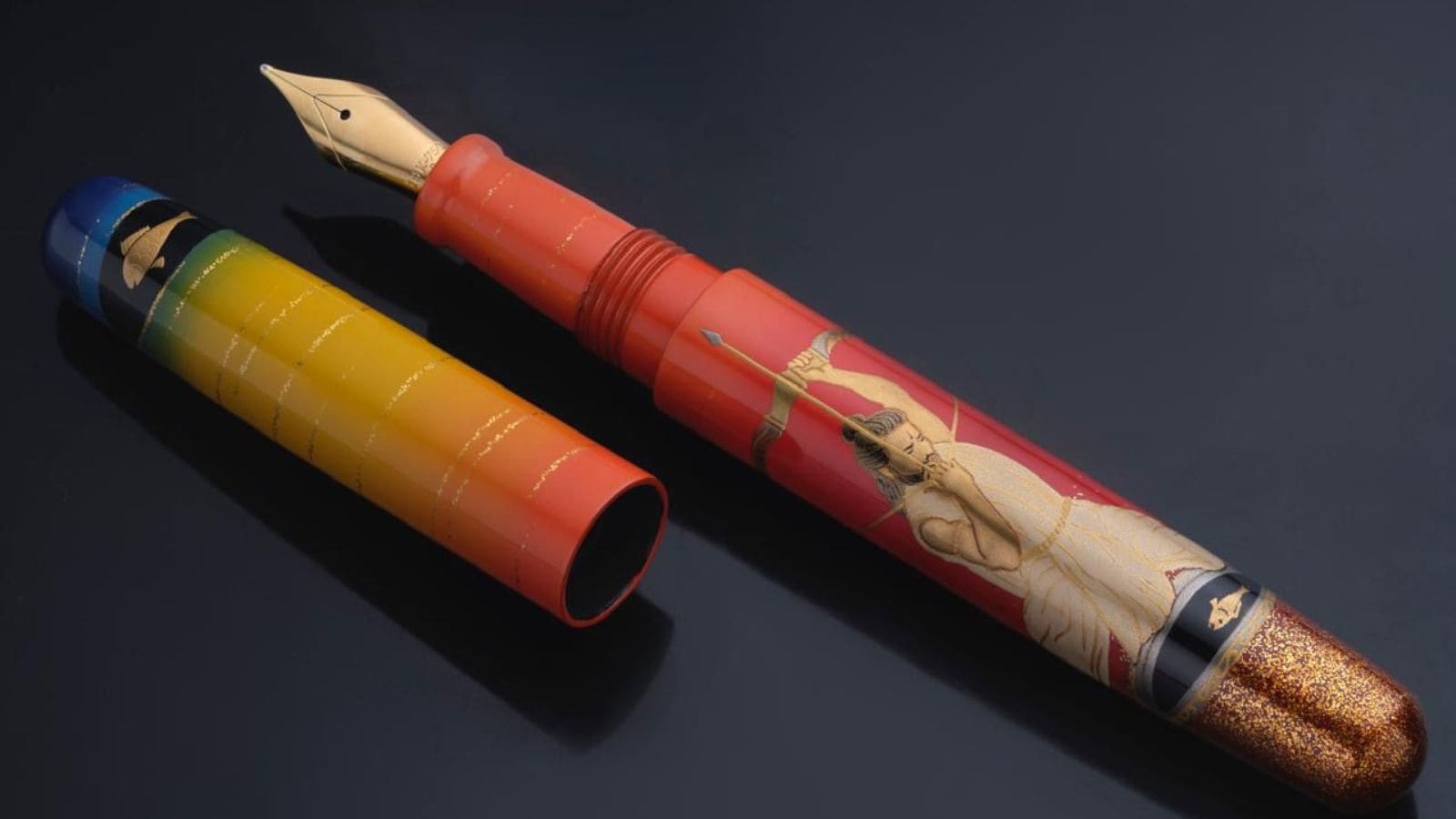
A1: The retired engineer, Vivek Kulkarni, was driven by a desire to revive and master the ancient Japanese art of Urushi lacquer, which is considered almost extinct. This art involves using lacquer derived from the sap of native Japanese trees to create intricate designs on fountain pens. Despite having no formal training in lacquering or pen making, Kulkarni's unique craftsmanship allowed him to build a globally recognized fountain pen business that competes effectively with Japanese manufacturers.
Q2: How did Vivek Kulkarni's fountain pen business manage to gain international recognition?
A2: Vivek Kulkarni's business, Urushi Studio India, gained international recognition through its unique blend of Urushi art and high-quality fountain pens. By sharing photographs of his work on social media platforms like Facebook and Instagram, he attracted orders from various continents, enabling his business to expand globally. His pens, which are competitively priced and maintain superior quality, offer a distinct advantage over other manufacturers.
Q3: What is Urushi lacquer, and why is it significant in the context of Japanese art?
A3: Urushi lacquer is a traditional Japanese art form that involves applying a varnish made from the sap of native Japanese trees. This lacquer is known for its durability and ability to enhance the aesthetic appeal of objects over time. In the context of Japanese art, Urushi holds cultural significance as it has been used for over a thousand years in crafting various items, including fountain pens, which are cherished for their beauty and craftsmanship.
Q4: What challenges did Kulkarni face in mastering Urushi art, and how did he overcome them?
A4: Kulkarni faced several challenges in mastering Urushi art, including the lack of formal training, absence of English guidebooks, and a supply chain reliant on materials from Japan. He overcame these challenges by teaching himself the techniques through online resources and experimenting with the craft, ultimately creating a unique fusion of Urushi art and fountain pen making that appealed to a global audience.
Q5: How does Urushi art contribute to the uniqueness of Japanese fountain pens?
A5: Urushi art contributes to the uniqueness of Japanese fountain pens by adding intricate, hand-crafted designs that are both aesthetically pleasing and culturally significant. The art involves layering lacquer to create depth and richness in the pen's appearance, making each piece a work of art. This traditional technique sets Japanese fountain pens apart from others and enhances their appeal as luxury writing instruments.
Q6: What are the economic implications of reviving an ancient art form like Urushi lacquer for a business?
A6: Reviving an ancient art form like Urushi lacquer can have significant economic implications for a business, including creating a niche market for luxury goods and attracting international customers. By offering a product that combines traditional craftsmanship with modern design, businesses can differentiate themselves in the marketplace, potentially leading to increased sales and brand recognition. Additionally, it can help preserve cultural heritage and provide employment opportunities for artisans skilled in the craft.
Q7: What recent scholarly research explores Japanese craftsmanship and its modern applications?
A7: Recent scholarly research, such as the study on the effectiveness of Zero-shot-CoT in Japanese prompts, explores the integration of traditional Japanese craftsmanship with modern technology. This research highlights how cultural context and traditional practices can influence and enhance the performance of advanced models in various domains, including language understanding and reasoning tasks. It underscores the importance of cultural awareness in developing and evaluating technology that respects and preserves traditional craftsmanship.
References:
- Published: 2025-03-09, Title: Effectiveness of Zero-shot-CoT in Japanese Prompts