Summary
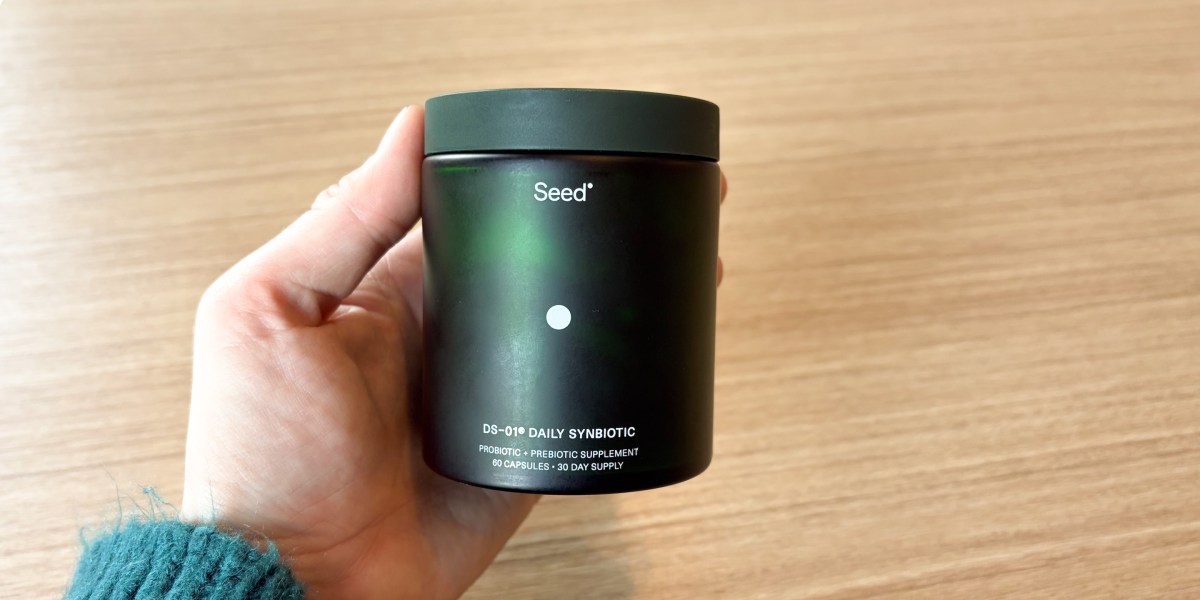
In a strategic move to enhance its personalized wellness offerings, Herbalife Ltd. has announced an agreement to acquire key assets from UK-based Bioniq, a personalized supplements firm. This acquisition aligns with Herbalifes ambition to become a data-driven health platform, offering customized nu…
Source: Devdiscourse

AI News Q&A (Free Content)
Q1: What strategic goals is Herbalife aiming to achieve with the acquisition of Bioniq?
A1: Herbalife's acquisition of Bioniq aims to enhance its personalized wellness offerings by integrating data-driven health solutions. This move aligns with Herbalife’s ambition to transform into a comprehensive health platform, providing customized nutrition solutions based on individual health data. Herbalife's focus on personalized nutrition is expected to leverage Bioniq's expertise in personalized supplements, which can potentially increase consumer engagement through tailored health products.
Q2: How has Herbalife historically integrated personalized nutrition into its business model?
A2: Historically, Herbalife has positioned itself within the multi-level marketing sector as a provider of dietary supplements aimed at various wellness goals. With the integration of personalized nutrition, Herbalife is now expanding its offerings to cater to individual health needs more precisely. This strategic shift is in response to growing consumer demand for health solutions that are tailored to personal health data and lifestyle.
Q3: What are the potential benefits and challenges of personalized nutrition as suggested by recent scholarly articles?
A3: Recent scholarly articles, such as those from the 'NGQA: A Nutritional Graph Question Answering Benchmark for Personalized Health-aware Nutritional Reasoning,' highlight the potential of personalized nutrition to improve health outcomes by tailoring diets to individual health profiles. However, challenges include the need for accurate data collection and analysis, as well as addressing the variability in individual health needs. The integration of large language models and personalized datasets could enhance the efficacy of personalized nutrition solutions.
Q4: What regulatory considerations should be taken into account with personalized nutrition offerings?
A4: Regulatory considerations for personalized nutrition offerings include compliance with dietary supplement regulations and ensuring that health claims are scientifically substantiated. Companies like Herbalife must navigate regulations set by bodies such as the U.S. Food and Drug Administration (FDA) and equivalent organizations globally. Ensuring transparency in product labeling and marketing, and safeguarding consumer data privacy, are also critical components of regulatory compliance.
Q5: What role does data analytics play in enhancing personalized nutrition solutions?
A5: Data analytics plays a crucial role in enhancing personalized nutrition solutions by processing and interpreting health-related data to customize dietary recommendations. The integration of data from wearable devices, health apps, and genetic testing can provide a comprehensive view of individual health needs. This approach, as discussed in studies like 'Comprehensive Evaluation of Large Multimodal Models for Nutrition Analysis,' underscores the importance of contextual metadata in improving the accuracy of nutritional assessments.
Q6: What technological advancements are being utilized to improve personalized nutrition?
A6: Technological advancements in personalized nutrition involve the use of artificial intelligence (AI) and machine learning (ML) models, such as Large Multimodal Models (LMMs), to analyze complex datasets. These technologies enable more precise nutritional assessments by considering contextual metadata, such as location and meal timing. Tools like the ACETADA food-image dataset are being developed to further refine these technologies, as they provide verified nutritional data for AI training.
Q7: How might the acquisition of Bioniq influence Herbalife's market position in the wellness industry?
A7: The acquisition of Bioniq is likely to bolster Herbalife's market position by enhancing its product offerings with advanced personalized nutrition solutions. This strategic move could attract a broader consumer base interested in tailored health products, thereby increasing Herbalife's competitiveness in the wellness industry. The integration of Bioniq's expertise in personalized supplements may also improve Herbalife's ability to innovate and respond to consumer demands for personalized health solutions.
References:
- Page: Herbalife
- , "Published: 2024-12-20
- Title: NGQA: A Nutritional Graph Question Answering Benchmark for Personalized Health-aware Nutritional Reasoning
- Published: 2025-10-03
- Title: Comprehensive Evaluation of Large Multimodal Models for Nutrition Analysis: A New Benchmark Enriched with Contextual Metadata
- Page: Bioniq