Summary
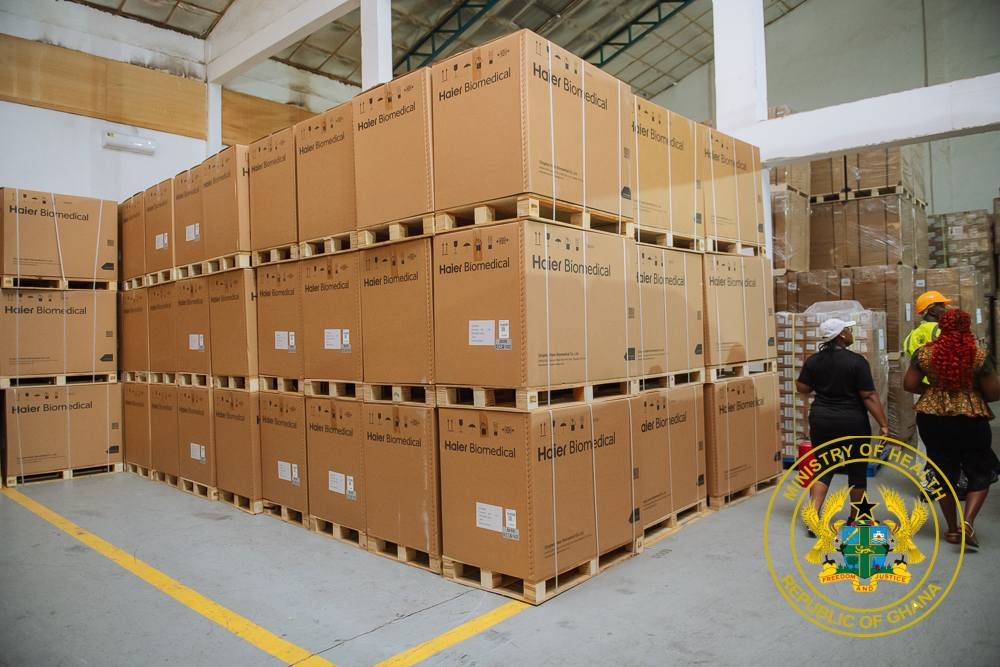
The Ministry of Health is preparing to distribute over 24,500 pieces of medical equipment to health facilities nationwide, in anticipation of the Free Primary Health Care Programme scheduled to launch on April 15.
Source: Myjoyonline

AI News Q&A (Free Content)
Q1: What is the anticipated impact of Ghana's Free Primary Health Care Programme on the country's healthcare system?
A1: Ghana's Free Primary Health Care Programme is expected to significantly improve access to healthcare services across the country. By distributing over 24,500 pieces of medical equipment nationwide, the initiative aims to strengthen the healthcare infrastructure and provide equitable access to essential health services, particularly in underserved areas. This program is anticipated to reduce health inequities by ensuring that healthcare is accessible to all, regardless of socio-economic status, thereby promoting health equity and contributing to national health goals.
Q2: How does the equipment distribution plan align with Ghana's broader health system strategies?
A2: The equipment distribution under Ghana's Free Primary Health Care Programme aligns with the country's health system strategies by enhancing the capacity of health facilities to deliver quality care. This initiative is part of a broader effort to improve health infrastructure, which includes investments in human resources, training, and health technology. By ensuring a reliable supply of medical equipment and consumables, the program supports the effective delivery of primary health care services and strengthens the overall health system.
Q3: What role does digital innovation play in the rollout of Ghana's primary healthcare program?
A3: Digital innovation plays a crucial role in the rollout of Ghana's primary healthcare program by facilitating efficient service delivery and management. The National Health Insurance Authority has trained staff on digital innovations and monitoring frameworks to support the implementation of the Free Primary Health Care policy. Innovations such as the use of One-Time Access Codes (OTAC) for service authentication and claims processing enhance the accessibility and efficiency of healthcare services, ensuring that both insured and uninsured individuals can benefit from the program.
Q4: How does the Free Primary Health Care Programme address health equity in Ghana?
A4: The Free Primary Health Care Programme addresses health equity by providing all Ghanaians with access to essential health services, irrespective of their financial means. The program focuses on reducing disparities in health outcomes by ensuring that resources are allocated based on need. By eliminating financial barriers to healthcare, the initiative promotes fair and just access to health services, contributing to the broader goal of achieving health equity in the country.
Q5: What are the expected challenges in implementing the Free Primary Health Care Programme in Ghana?
A5: The implementation of the Free Primary Health Care Programme in Ghana may face challenges such as ensuring the timely distribution of equipment, maintaining a continuous supply of medicines and consumables, and managing the increased demand for services. Additionally, there may be challenges related to training healthcare workers to effectively use new equipment and technologies. Addressing these challenges will require coordinated efforts between the government, health authorities, and international partners to ensure the program's successful implementation.
Q6: What lessons can other countries learn from Ghana's approach to expanding primary healthcare services?
A6: Other countries can learn from Ghana's comprehensive approach to expanding primary healthcare services, which includes strategic investments in infrastructure, human resources, and digital innovation. By prioritizing equitable access to healthcare and leveraging digital tools for efficient service delivery, Ghana's program offers a model for achieving health equity and improving health outcomes on a national scale. The emphasis on training and capacity building ensures that healthcare workers are equipped to deliver high-quality care, a strategy that can be emulated by other nations.
Q7: In what ways does the Free Primary Health Care Programme support Ghana's progress towards Universal Health Coverage (UHC)?
A7: The Free Primary Health Care Programme supports Ghana's progress towards Universal Health Coverage by ensuring that all citizens have access to essential health services without financial hardship. By focusing on primary healthcare, the program addresses the most common health needs and reduces the burden on higher-level healthcare facilities. This approach aligns with UHC principles by prioritizing preventive and promotive health services, thereby improving overall health outcomes and contributing to the country's health system resilience.