Summary
Features
France sets out rules for a national PFAS ban in textiles – including an effective carveout for secondhand garments to protect circularity goals.
An industry expert sparks a lively debate by accusing the cotton sector of acting more like an NGO than a commercial business.
Source: Ecotextile News

AI News Q&A (Free Content)
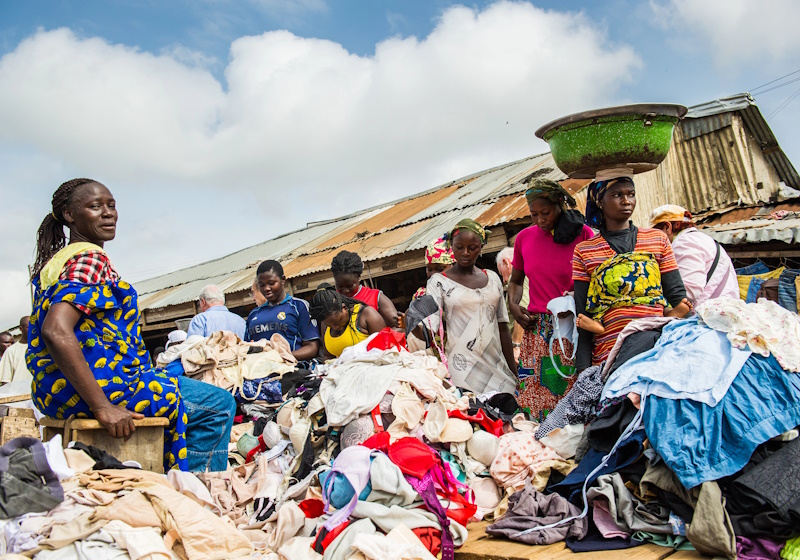
Q1: What is the aim of the Circular Economy Innovation and Textile Testing Centre being planned by UNIDO and Ghana?
A1: The Circular Economy Innovation and Textile Testing Centre, planned by UNIDO and Ghana, aims to tackle textile waste while fostering industrial development. The center will provide laboratory testing and technical services to support textile sorting, identify toxic components, and enable second-life industrial applications, such as converting discarded textiles into furniture and automotive components. This initiative is part of a UNIDO project funded by Italy, designed to strengthen circular economy solutions in the textile and second-hand clothing sector in Ghana.
Q2: How does France's PFAS ban in textiles contribute to environmental sustainability?
A2: France's PFAS ban, effective from January 2026, prohibits the sale, production, or import of products like cosmetics and textiles containing PFAS, known as 'forever chemicals.' This regulation aims to reduce environmental pollution and health risks associated with these persistent chemicals. Exceptions are made for high-performance applications necessary for national sovereignty. The ban includes regular testing of drinking water for PFAS and imposes fines on polluters, thereby enhancing environmental sustainability.
Q3: What controversies surround the cotton sector's role as a commercial business in recent debates?
A3: Recent debates have seen accusations that the cotton sector behaves more like a non-governmental organization (NGO) than a commercial business. This has sparked discussions about the balance between ethical sourcing and commercial interests. Reports have highlighted labor violations in the supply chains of major clothing brands, prompting calls for improved supply chain transparency and ethical sourcing practices. These controversies reflect ongoing challenges in aligning business practices with human rights and environmental standards.
Q4: What are the potential environmental benefits of Ghana's partnership with UNIDO in managing textile waste?
A4: Ghana's partnership with UNIDO in managing textile waste is expected to mitigate environmental issues such as drainage blockages and coastal pollution caused by textile waste. By establishing a Circular Economy Innovation and Textile Testing Centre, the initiative aims to transform waste disposal practices into value-added recycling, thereby reducing landfill burdens and promoting sustainability. The center's focus on second-life industrial applications for textiles could significantly lower the environmental footprint of Ghana's textile sector.
Q5: What exceptions are included in France's PFAS ban, and why are they significant?
A5: France's PFAS ban includes exceptions for high-performance membranes used in filtration processes and textiles deemed necessary for essential use or national sovereignty. These exceptions are significant because they acknowledge the importance of certain PFAS applications in critical sectors while striving to minimize unnecessary exposure to these chemicals. The balance between regulation and practicality highlights the complexity of fully eliminating PFAS from all consumer products.
Q6: How does the textile waste initiative in Ghana align with broader international efforts for circular economy practices?
A6: The textile waste initiative in Ghana aligns with international efforts by integrating circular economy practices into the textile sector. This initiative complements other global projects aimed at reducing waste and promoting sustainable practices. By partnering with organizations like UNIDO and leveraging international funding, Ghana is positioning itself as a leader in circular economy practices, aligning with global sustainability goals and contributing to international dialogues on waste management.
Q7: What are the implications of the PFAS ban in France for the textile and cosmetics industries?
A7: The PFAS ban in France has significant implications for the textile and cosmetics industries, as it mandates the removal of these chemicals from products by 2026. This regulation will require companies to reformulate products and invest in alternative technologies, potentially increasing production costs. However, it also presents an opportunity for innovation in developing safer, environmentally friendly alternatives, aligning with growing consumer demand for sustainable products.