Summary
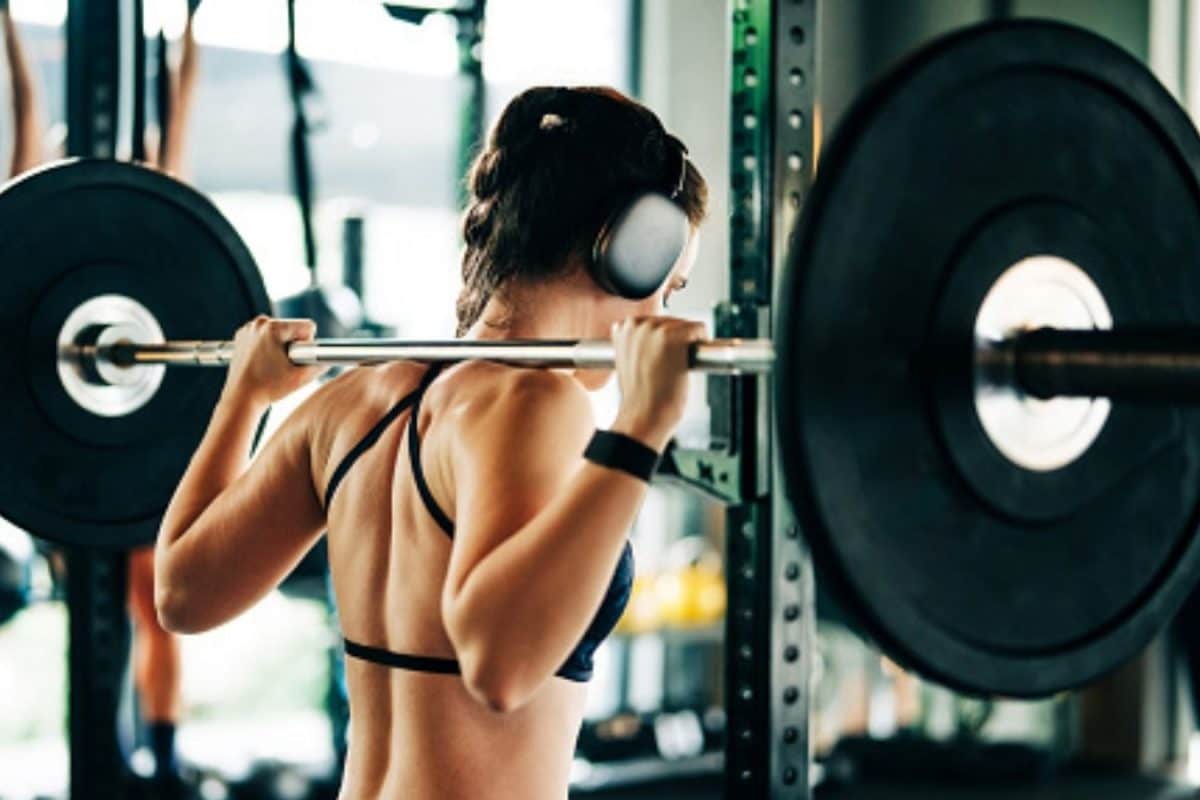
A 2024 study showed while the overall lifetime prevalence of AAS use among adult women globally is 4% (up from 1.6% in 2014), the rate is higher in specific fitness communities
Source: News 18

AI News Q&A (Free Content)
Q1: What are the recent trends in anabolic steroid use among women, particularly in fitness communities?
A1: Recent studies have shown that the use of anabolic-androgenic steroids (AAS) among women has increased globally, with a current lifetime prevalence of around 4%, up from 1.6% in 2014. This increase is particularly pronounced in specific fitness communities, such as bodybuilding and recreational lifting, where the rates of usage are significantly higher.
Q2: How does the use of anabolic steroids impact women's health, and what are some common misconceptions?
A2: Anabolic steroids can cause serious health risks for women, including irreversible masculinization, cardiovascular issues, and liver damage. There is a common misconception that these drugs are only used by men; however, women are increasingly using them for muscle definition and rapid fat loss.
Q3: What role do social media and fitness influencers play in the rising use of steroids among women?
A3: Social media platforms like Instagram and TikTok have become significant in shaping perceptions around body image, with many 'fitfluencers' promoting dramatic transformations. Some influencers openly discuss steroid use, influencing women seeking rapid physique changes to consider these substances as viable options.
Q4: What are the implications of the 2024 study on the future of health promotion and steroid education for women?
A4: The 2024 study suggests that health promotion efforts must be tailored to women, focusing on creating accessible resources that address the risks of steroid use without stigma. Engaging female influencers to disseminate accurate information can also help counter misinformation.
Q5: What are the societal factors contributing to the gender disparity in steroid use, and how do they affect women's choices?
A5: Societal norms around femininity and body image influence women to maintain a less muscular appearance, which traditionally leads to lower steroid use compared to men. However, changing perceptions about fitness and body ideals are slowly altering these trends.
Q6: How are regulatory bodies like the World Anti-Doping Agency (WADA) addressing the issue of steroid use in sports and fitness?
A6: WADA continues to update its prohibited list to include substances like anabolic-androgenic steroids and other performance-enhancing drugs. These regulations aim to curb the misuse of steroids in both competitive sports and general fitness settings.
Q7: What are some promising approaches to mitigate the rising trend of steroid use among women?
A7: Promising approaches include creating gender-specific educational materials, using social media to disseminate accurate health information, and fostering discussions around safer training practices. Engaging women directly through platforms they frequent can help shift the narrative and reduce steroid use.
References:
- Anabolic steroid - Wikipedia
- From Gyms To Injectables, How Steroids Are Quietly Entering Women's Fitness Culture - News18
- More women are using steroids and many don't know the risks - UNSW Newsroom
- Anabolic steroid consumption among gym-goers in Amman: knowledge, attitudes, and behaviors - Frontiers in Sports and Active Living
- More women are using steroids and many don't know the risks - The Conversation