Summary
NEW You can now listen to Fox News articles!
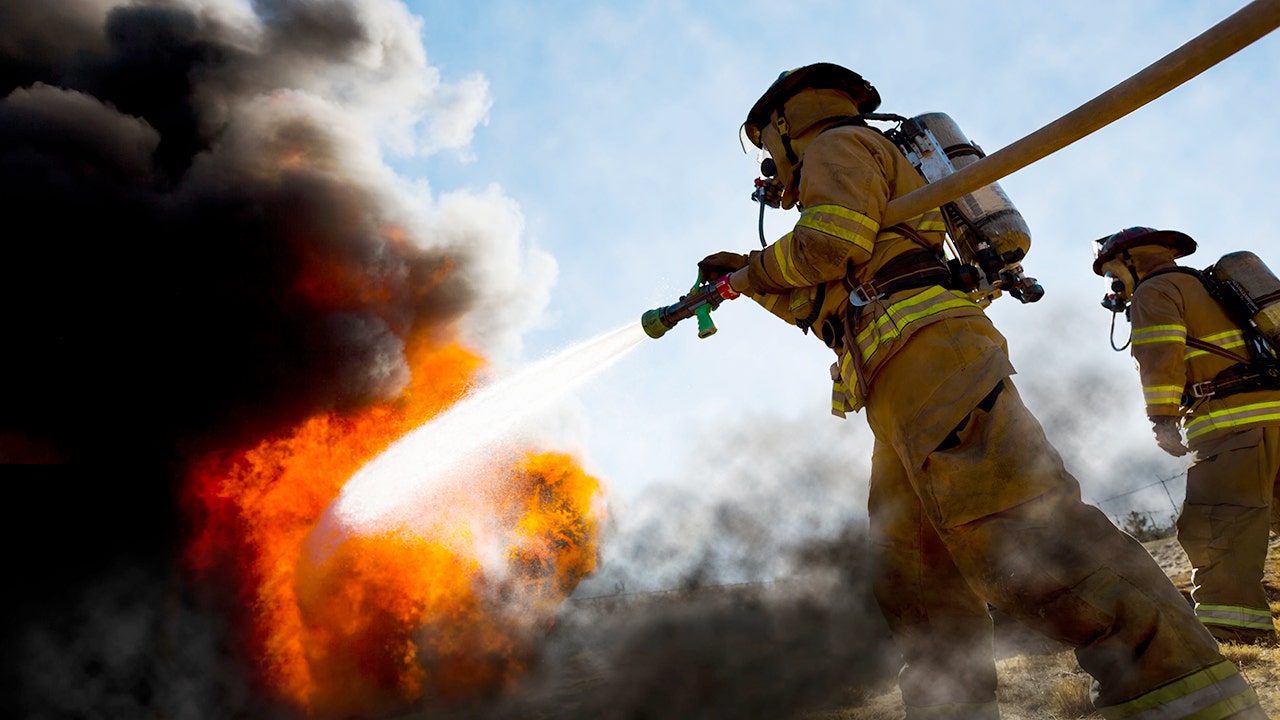
Americas first responders put their lives on the line to protect their communities and it shaves approximately 10 years off their life expectancy.
Despite the inevitable risk, practicing healthy lifestyle habits can help to protect longevity, experts…
Source: Fox News

AI News Q&A (Free Content)
Q1: What are some specific lifestyle habits that can help first responders increase their longevity despite the risks associated with their profession?
A1: First responders can focus on several lifestyle habits to increase longevity. These include understanding one's biomarkers to detect early cardiovascular strain, incorporating strength-training routines, and ensuring a balanced diet rich in protein while minimizing alcohol consumption. Additionally, adopting a 'longevity stack' with supplements like creatine monohydrate can aid in muscle and brain resilience. It's crucial for first responders to prioritize sleep and recovery, using a disciplined approach to maintain a strict sleep environment, especially given the demanding nature of their schedules.
Q2: What role does cardiovascular fitness play in the long-term health of firefighters, and how can they enhance it?
A2: Cardiovascular fitness is critical for firefighters as heart disease is the leading cause of line-of-duty deaths. Enhancing cardiovascular fitness involves structured aerobic workouts such as running, cycling, or stair climbing to build endurance. High-intensity interval training (HIIT) is also recommended as it simulates the bursts of energy required during firefighting activities. These exercises help maintain a strong heart and lungs, enabling firefighters to perform physically demanding tasks without excessive strain.
Q3: How does mental health impact the career longevity of first responders, and what measures can be taken to improve it?
A3: Mental health significantly impacts the career longevity of first responders as they are frequently exposed to trauma, potentially leading to PTSD, anxiety, and burnout. Improving mental health involves building emotional resilience, which can be achieved by recognizing early signs of mental distress and implementing supportive measures such as counseling and peer support. Providing mental health resources and promoting a culture of openness about mental health challenges are essential steps toward fostering a supportive environment.
Q4: What are the latest scholarly insights on the longevity of firefighters and the impact of their profession on life expectancy?
A4: Recent research highlights the longevity challenges faced by firefighters due to their high-risk profession. Studies indicate that excessive fear generalization can predict PTSD symptoms, which in turn, affects longevity. Furthermore, maintaining physical, mental, and emotional wellness is crucial for mitigating the adverse effects of their demanding job roles. Proactive health and wellness programs are emphasized to enhance the longevity of firefighters by addressing both physical and psychological health.
Q5: What is the significance of a comprehensive wellness program for firefighters, and what should it entail?
A5: A comprehensive wellness program for firefighters is vital to ensure their long-term health and safety. Such programs should include components addressing physical, mental, emotional, and social wellness. Regular assessments and updates to align with best practices are crucial. The program should promote physical fitness, mental health support, nutrition education, and preventive healthcare measures. Fire service leaders are encouraged to implement and sustain these programs to enhance the well-being and longevity of firefighters.
Q6: In what ways can firefighters manage fatigue and ensure adequate recovery to prolong their careers?
A6: Managing fatigue involves monitoring alertness and recognizing early signs of exhaustion. Firefighters should rotate duties to prevent overexertion and ensure proper rest periods between shifts. Prioritizing sleep is essential, with strategies to create an optimal sleep environment when off-duty. Nutrition and hydration play a key role in recovery, as does mental health management through stress-reduction techniques and emotional support systems. These measures help maintain energy levels and reduce the risk of injuries.
Q7: How does proper nutrition and hydration contribute to the effectiveness and longevity of firefighters?
A7: Proper nutrition and hydration are essential for maintaining the energy and endurance required for firefighting tasks. A balanced diet supports physical performance, aids in recovery, and prevents chronic diseases. Firefighters should focus on consuming nutrient-rich foods and staying hydrated, especially during high-intensity activities. Irregular shifts and unpredictable meal schedules pose challenges, but planning and prioritizing nutrition can mitigate these issues and support long-term health.
References:
- Computation of life expectancy from incomplete data
- , "Fear generalization predicts post-traumatic stress symptoms: A two-year follow-up study in Dutch firefighters
- , "Firefighter shares longevity tips, as first responders face 10-year shorter lifespan
- , "10 health tips every firefighter should follow
- , "Comprehensive wellness programs
- , "FRWP Wellness Program Firefighter Fitness