Summary
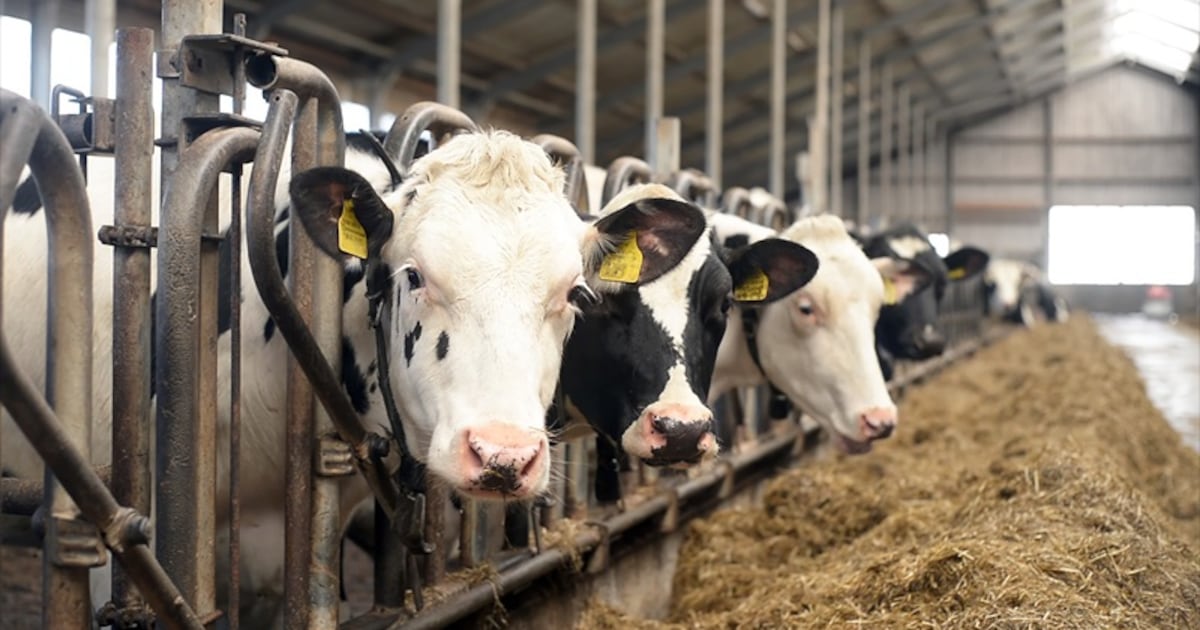
The newly approved methodology recognises the use of specific feed additives in cattle diets to reduce methane emissions from enteric fermentation, specifically methane released through cattle burps.
The newly approved methodology under the J-Credit scheme involves feeding cattle with feed contain…
Source: AgTechNavigator.com

AI News Q&A (Free Content)
Q1: What is the J-Credit scheme and how does it relate to methane emissions reduction in Japan?
A1: The J-Credit scheme is a program initiated by the Japanese government to certify and trade emissions reductions and removals. It allows businesses and organizations to earn credits by implementing projects that reduce or absorb greenhouse gases, such as carbon dioxide and methane. Under this scheme, the newly approved methodology involves feeding cattle with specific additives to curb methane emissions from enteric fermentation, commonly released through cattle burps, contributing to the reduction of methane emissions in Japan.
Q2: What recent research findings support the use of feed additives to reduce methane emissions in cattle?
A2: Recent research, such as the study 'From Microbes to Methane: AI-Based Predictive Modeling of Feed Additive Efficacy in Dairy Cows,' highlights the use of rumen microbiome data and AI to predict the efficacy of feed additives in reducing methane emissions. The study demonstrated that targeted feed additive strategies could lead to a significant reduction in methane emissions, with an estimated potential decrease of over 27% in overall emissions when applied effectively across different farms.
Q3: How do feed additives like 3-nitrooxypropanol impact methane production in beef cattle?
A3: 3-nitrooxypropanol (3-NOP) is a feed additive that has been shown to reduce methane emissions by inhibiting the enzyme methyl-coenzyme M reductase, crucial for methanogenesis in archaea. A meta-analysis revealed that 3-NOP could reduce methane production by approximately 36.2% and methane yield by 33.2% in beef cattle, highlighting its effectiveness as a methane mitigation strategy.
Q4: What are the economic implications of adopting methane-reducing feed additives in cattle farming?
A4: The adoption of methane-reducing feed additives can lead to economic benefits by improving the sustainability of cattle farming, potentially reducing costs associated with carbon credits or penalties. Furthermore, enhanced feed efficiency and improved livestock productivity can result in better financial returns for farmers. The J-Credit scheme also provides an economic incentive by allowing the trading of credits earned from reduced emissions.
Q5: What role does artificial intelligence play in enhancing the efficacy of feed additives for methane reduction?
A5: Artificial intelligence (AI) plays a critical role in enhancing the efficacy of feed additives by analyzing complex rumen microbiome data to predict the effectiveness of different additives across various farms. The AI-driven predictive models help optimize the allocation and usage of feed additives, ensuring they are used where they can achieve the greatest reduction in methane emissions, thus making the process more efficient and impactful.
Q6: How do alcohol additives affect methane and NOx emissions in combustion processes?
A6: Alcohol additives, such as ethanol and methanol, have been shown to influence methane and NOx emissions in combustion processes by altering reaction pathways. Studies using molecular dynamics simulations indicate that methanol and ethanol can reduce NO2 formation and suppress NO production at high temperatures. This suggests that alcohol additives can play a role in moderating emissions and stabilizing combustion reactions, potentially reducing environmental impacts.
Q7: What are the environmental benefits of reducing methane emissions from cattle through feed additives?
A7: Reducing methane emissions from cattle through feed additives offers significant environmental benefits, as methane is a potent greenhouse gas with a substantial impact on global warming. By lowering methane emissions, these additives contribute to mitigating climate change, promoting more sustainable agricultural practices, and improving air quality. This aligns with global efforts to reduce greenhouse gas emissions and achieve climate targets.
References:
- Greenhouse gas emissions - Wikipedia
- From Microbes to Methane: AI-Based Predictive Modeling of Feed Additive Efficacy in Dairy Cows
- A meta-analysis of 3-nitrooxypropanol effects on methane production and yield in beef cattle
- Alcohol additives to enhance ammonia-methane combustion efficiency and reduce emissions: A reactive force field analysis