Summary
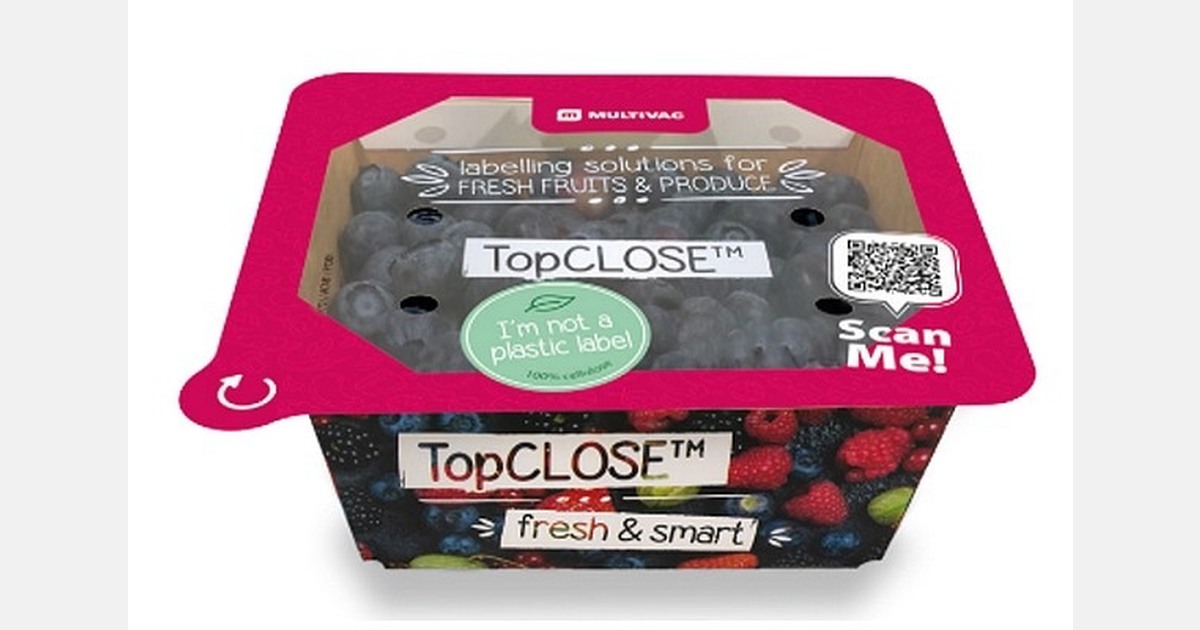
How can the shelf life of fruit and vegetables be extended while reducing plastic consumption? AgroSustain, an agritech company developing solutions for pre- and postharvest, and Multivac, a manufacturer of labelling systems, present a joint approach combining edible coatings with packaging technolo…
Source: Hortidaily

AI News Q&A (Free Content)
Q1: What is the purpose of using edible coatings on fruits and vegetables, and how do they contribute to sustainability?
A1: Edible coatings are used to extend the shelf life of fruits and vegetables by creating a thin, breathable barrier on their surfaces, which slows down respiration and moisture loss while allowing natural ripening processes to continue. This reduces the reliance on single-use plastic packaging, contributing to sustainability by minimizing plastic waste and food loss. AgroSustain's Afondo™ is an example of an edible coating designed for this purpose, and it can extend the shelf life of produce in cold storage by up to three weeks and at retail by three to five days.
Q2: How do edible coatings and modified atmosphere packaging (MAP) work together to enhance the shelf life of produce?
A2: Edible coatings and modified atmosphere packaging (MAP) work synergistically to enhance the shelf life of produce by reducing moisture loss and modifying the atmospheric composition around the product. Edible coatings provide a physical barrier that helps retain moisture, while MAP alters the levels of gases, such as oxygen and carbon dioxide, to slow down spoilage. This combination is particularly effective in preserving the quality and extending the shelf life of various nuts, as demonstrated in studies involving pistachios and walnuts.
Q3: What are some of the benefits and challenges associated with the use of edible coatings in the food industry?
A3: The benefits of using edible coatings include the extension of shelf life, reduction in food waste, and decreased dependency on plastic packaging. Additionally, these coatings can incorporate bioactive additives with antimicrobial and antioxidant properties, further enhancing food preservation. However, challenges include ensuring the coatings do not alter the taste, appearance, or texture of the produce and managing the cost and scalability of production for widespread industry adoption.
Q4: What innovations have been made in the development of edible films for preserving fruits like blueberries?
A4: Recent innovations include the development of edible films made from chitosan and xanthan gum, enriched with cornmint oil. These films have been shown to significantly reduce the decay rate and weight loss of blueberries during storage, while maintaining their hardness and minimizing nutrient loss. For instance, a specific formulation reduced the decay rate by 44.02% and weight loss by 75.85% over eight days, demonstrating substantial potential for post-harvest preservation.
Q5: How does the concept of fruit waxing relate to edible coatings, and what historical context is there for this practice?
A5: Fruit waxing is a traditional practice that involves applying a wax layer to fruits to prevent water loss and improve appearance. Historically, this practice dates back to the 12th or 13th century and became commercialized in the 1920s and 1930s for citrus fruits. While fruit waxing primarily aims to enhance aesthetics and reduce spoilage, edible coatings serve a similar purpose but are made from edible substances and are designed to be consumed along with the produce.
Q6: What role does government policy play in promoting sustainable packaging solutions for fresh produce?
A6: Government policies, such as those from Environment and Climate Change Canada (ECCC) and Agriculture and Agri-Food Canada (AAFC), play a crucial role in promoting sustainable packaging solutions. Studies commissioned by these bodies have reinforced the need for a 'function-first' approach to packaging, emphasizing that solutions should be evaluated based on their ability to prevent food waste. Such policies encourage the industry to adopt materials and methods that not only reduce plastic use but also maintain or enhance food quality.
Q7: What are some examples of companies leading the innovation in edible coatings, and what impact have they made?
A7: Apeel Sciences is a leading company in the innovation of edible coatings, known for its product Apeel, which can double the shelf life of avocados, citrus fruits, and other produce. By applying a tasteless, edible coating, Apeel reduces food loss and waste while decreasing reliance on single-use plastic packaging. Such innovations demonstrate significant impact by extending freshness, reducing waste, and supporting sustainable agricultural practices.
References:
- Page: Apeel Sciences
- , "Published: 2026-01-17
- Edible films of chitosan-xanthan gum enriched with cornmint oil: Characterization and application in blueberry preservation.
- Page: Fruit waxing
- , "https://www.hortidaily.com/article/9803007/can-government-commissioned-study-validates-industry-call-for-a-function-first-approach-to-sustainable-produce-packaging/