
Summary
Examining the science behind mushroom supplements rising health claims
Source: indiatoday.intoday.in

AI News Q&A (Free Content)
Q1: What are the key factors driving the popularity of mushroom supplements in the wellness industry?
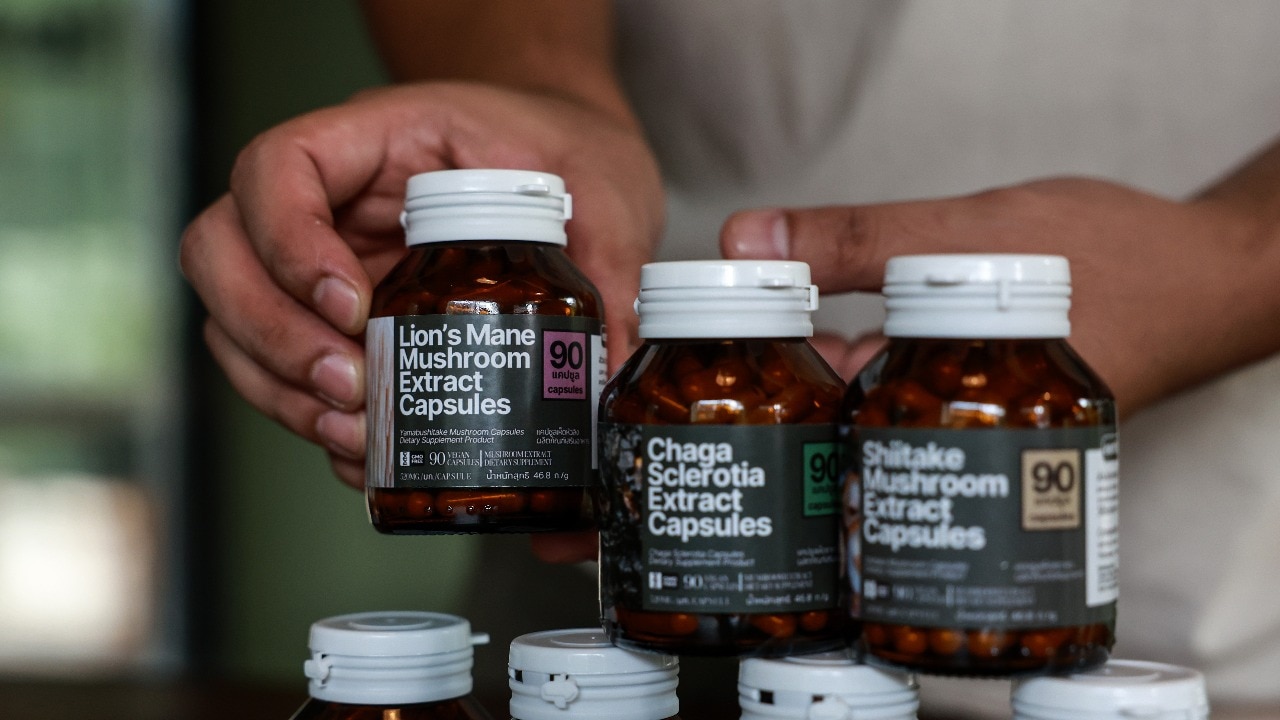
A1: The popularity of mushroom supplements is driven by a combination of factors including increased consumer demand for natural health solutions, market expansion with innovative products such as mushroom coffees and capsules, and the ongoing research into their potential health benefits. Companies are continuously innovating with unique blends and formulations to cater to consumer preferences for health-supportive products.
Q2: How have traditional uses of mushrooms influenced their role in modern wellness products?
A2: Traditional uses of mushrooms, particularly in Asian medicine, have laid the groundwork for their modern applications in wellness products. Mushrooms like lion's mane, reishi, and chaga are now being used in supplements for their purported benefits in boosting immunity, enhancing brain function, and supporting overall health. However, the scientific evidence supporting these uses varies, with much research still being preliminary or based on animal models.
Q3: What are the potential health benefits of lion's mane mushroom, and what does current research suggest?
A3: Lion's mane mushroom is believed to enhance nerve growth and cognitive function due to its rich content of terpenes like hericenones and erinacines. Preliminary research indicates it may aid in nerve regeneration and alleviate anxiety and depression symptoms. However, caution is advised due to the presence of phytoestrogens, which could affect individuals with estrogen-sensitive conditions.
Q4: What are some of the scientific challenges and considerations in using mushroom supplements for health benefits?
A4: One significant challenge is the lack of comprehensive scientific evidence for the efficacy and safety of mushroom supplements compared to whole mushrooms. The quality of these supplements can vary greatly due to inconsistent processing, and much of the supporting research is preclinical. Regulatory bodies like the FDA do not require manufacturers to prove the safety and efficacy of dietary supplements, which adds to the complexity of ensuring product reliability.
Q5: How do mushroom supplements potentially aid in cancer therapies, according to recent research?
A5: Recent research suggests that mushroom-derived supplements, particularly those containing compounds like beta-glucans and triterpenes, may support cancer therapies by enhancing immune responses. These compounds can stimulate immune cell activity, such as T-cells and NK cells, which play a role in fighting cancer. However, much of this research is still in early stages, and more human studies are needed to substantiate these claims.
Q6: What is the role of cordyceps in athletic performance, and what does the research indicate?
A6: Cordyceps is marketed as a performance-enhancing supplement for athletes due to its potential to improve stamina and post-workout recovery. It is believed to boost ATP production and oxygen efficiency at the cellular level. While some studies support these claims, much of the evidence is based on early-stage research and requires further validation through comprehensive clinical trials.
Q7: How does the regulatory environment impact the marketing and safety of mushroom supplements?
A7: In the United States, the FDA does not evaluate dietary supplements for safety and efficacy before they hit the market. This regulatory environment allows for significant variability in product quality and efficacy claims. In the European Union, the European Food Safety Authority requires toxicological data for health claims, but many mushroom supplements rely on traditional use and preclinical studies to support their marketing.
References:
- Hericium erinaceus: https://en.wikipedia.org/wiki/Hericium_erinaceus
- Medicinal uses of fungi: https://en.wikipedia.org/wiki/Medicinal_uses_of_fungi
- The Rise of Mushroom Supplements: Wellness Trend That’s Here to Stay
- Best Mushroom Supplements - Independent
- The WIRED Guide to Mushroom Supplements
- Mushroom Dietary Supplements - OPSS
- A case study was reported by Inanaga