Summary
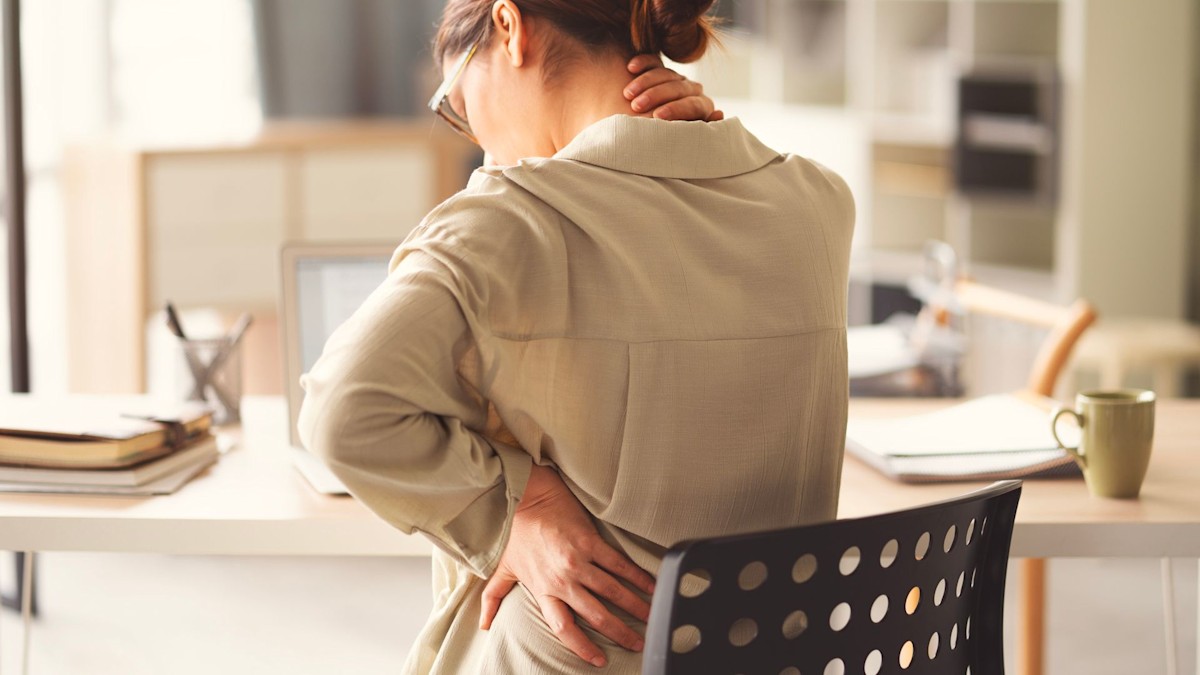
Struggling with back pain or desk slump? Osteopath Pablo Iglesias shares 3 essential Pilates moves and postural secrets to stop chronic pain and improve your functional longevity
Source: Hellomagazine

AI News Q&A (Free Content)
Q1: What is the historical background of Pilates and its intended benefits for physical health?
A1: Pilates, originally developed by Joseph Pilates, is a mind-body exercise focusing on improving physical abilities through coordination of body and mind. Joseph Pilates, who called his method 'Contrology,' designed it to enhance physical health in a balanced way. The method has evolved with various modifications, but the core principle remains improving physical fitness through controlled movements. The exercises can be performed with or without special apparatuses, promoting overall physical well-being.
Q2: How effective is Pilates in managing lower back pain according to recent scientific studies?
A2: Recent studies show that Pilates is significantly effective in reducing pain and improving function in individuals with non-specific lower back pain (LBP). A systematic review included in 35 randomized controlled trials found Pilates to have a significant analgesic effect and improve functional disability as assessed by the Oswestry Disability Index. Compared to other exercise interventions, Pilates showed a marked reduction in pain and functional improvement, highlighting its potential as a beneficial exercise for managing LBP.
Q3: What are the common causes of chronic back pain linked to office posture, and how can Pilates help alleviate these issues?
A3: Chronic back pain associated with office posture often results from prolonged sitting, poor ergonomic setups, and lack of movement, leading to muscular imbalances and stress on the spine. Pilates helps by strengthening core muscles, improving posture, and enhancing flexibility. These exercises focus on aligning the spine, reducing muscle tension, and promoting a balanced body posture, which can alleviate the stress caused by prolonged poor posture.
Q4: What role does visual information play in postural control, and how does fatigue affect this according to research?
A4: Research indicates that visual information is crucial for maintaining postural control, especially when muscles are fatigued. A study found that the ability to use visual cues for balance is affected by the distance of the visual target. When calf muscles are fatigued, the efficiency of using visual information for maintaining posture decreases, particularly when the visual target is farther away. This suggests the importance of incorporating visual training in exercises like Pilates to enhance postural stability.
Q5: What specific Pilates exercises are recommended for improving posture and alleviating chronic back pain according to experts like Pablo Iglesias?
A5: Pablo Iglesias, an osteopath, recommends incorporating specific Pilates exercises like the Bridge, Spine Stretch, and Pelvic Tilt to improve posture and alleviate chronic back pain. These exercises focus on strengthening the core, improving spinal flexibility, and promoting an upright posture. By regularly practicing these movements, individuals can enhance their functional longevity and reduce the discomfort associated with poor posture.
Q6: How does Pilates compare to other exercises like yoga and walking in terms of benefits for back pain relief and postural improvement?
A6: Pilates, yoga, and walking are all effective exercises for alleviating back pain and improving posture. However, Pilates stands out with significant improvements in pain relief and function according to recent studies. While yoga and walking also contribute to overall physical health, Pilates specifically targets core strength and spinal alignment, making it especially beneficial for those with back pain. The exercises' focus on controlled movements and breath work enhances postural correction more directly.
Q7: What are the potential risks of Pilates exercises if not performed correctly, and how can individuals mitigate these risks?
A7: If not performed correctly, Pilates exercises can lead to muscle strain or exacerbate existing injuries. It is crucial to perform movements with proper form and under the guidance of a certified instructor, especially for beginners. Individuals should focus on controlled, slow movements, and listen to their bodies to avoid overexertion. Gradually increasing the intensity and seeking feedback from professionals can help mitigate the risks associated with Pilates.
References:
- Pilates - Wikipedia
- Effects of different exercise interventions on lower back pain: a systematic review and meta-analysis - Liu et al.
- Severe, Unremitting Piriformis Syndrome Following Yoga and Pilates: A Case Report - Unspecified authors
- The magnitude of the effect of calf muscles fatigue on postural control during bipedal quiet standing with vision depends on the eye-visual target distance - Nicolas Vuillerme et al.
- Human and AI collaboration in Fitness Education: A Longitudinal Study with a Pilates Instructor - Qian Huang, King Wang Poon