Summary
$150 Million Total Investment to Create Approximately 240 Jobs; Phase One Launch in Q1 2027.
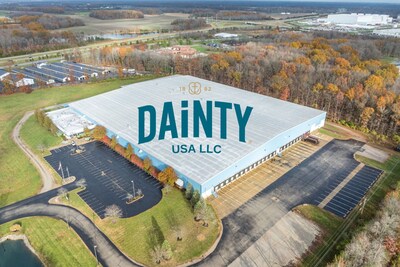
BATAVIA, Ohio, March 3, 2026 /CNW/ – Dainty Foods, a Canadian-based producer of private-label rice and ready-to-heat meal solutions, today announced it will establish its first United States manufacturing o…
Source: Yahoo Finance Singapore

AI News Q&A (Free Content)
Q1: What is the significance of Dainty Foods' $150 million investment in Batavia, Ohio?
A1: Dainty Foods' $150 million investment in Batavia, Ohio is significant as it marks the company's first manufacturing operation in the United States. This venture is expected to create approximately 240 jobs and generate $15.8 million in annual payroll. The initiative strengthens Dainty Foods' presence in the U.S. market and enhances production capacity with world-class automation, bringing innovative meal solutions closer to American consumers.
Q2: How does Dainty Foods' new manufacturing facility in the U.S. reflect on Ohio's business environment?
A2: The establishment of Dainty Foods' new facility in Ohio reflects the state's competitive advantages for global companies. Ohio's Midwest supply chain strength, skilled workforce, infrastructure, and business-friendly environment were key factors in Dainty Foods' decision. This project adds to Ohio's manufacturing base and brings significant economic opportunities to the region.
Q3: What products will Dainty Foods manufacture at its new U.S. facility?
A3: Dainty Foods will produce private-label rice products, including microwave rice pouches and bowls, at its new U.S. facility. These products are intended for grocery and convenience retailers across North America, expanding the company's production capacity to meet growing U.S. demand.
Q4: What strategic advantages does Dainty Foods aim to achieve with its U.S. manufacturing operation?
A4: By establishing its U.S. manufacturing operation, Dainty Foods aims to increase its production capacity with advanced automation, strengthen its distribution capabilities, and offer innovative meal solutions more efficiently to American consumers. The strategic location in Ohio is intended to enhance supply chain efficiency and foster a long-term partnership with the local community.
Q5: Can you provide an overview of Dainty Foods' history and its role in the food industry?
A5: Dainty Foods, a subsidiary of the Marbour Group, has been sourcing and preparing rice products for over 140 years. It is known for producing private-label rice and ready-to-heat meal solutions for retailers. The company emphasizes responsible and sustainable practices in its operations and has a significant presence in the North American market.
Q6: What economic impact is expected from Dainty Foods' investment in Batavia, Ohio?
A6: The economic impact of Dainty Foods' investment in Batavia includes the creation of 240 new jobs and an annual payroll of $15.8 million. The project is expected to bolster the local economy, attract additional business investments, and enhance the region's reputation as a hub for global companies.
Q7: What potential challenges could Dainty Foods face with its new U.S. operation?
A7: Potential challenges for Dainty Foods in its new U.S. operation could include navigating regulatory requirements, managing supply chain logistics, and integrating advanced automation technologies. Additionally, the company will need to ensure a smooth transition while building a strong workforce and adapting to the U.S. market demands.