Summary
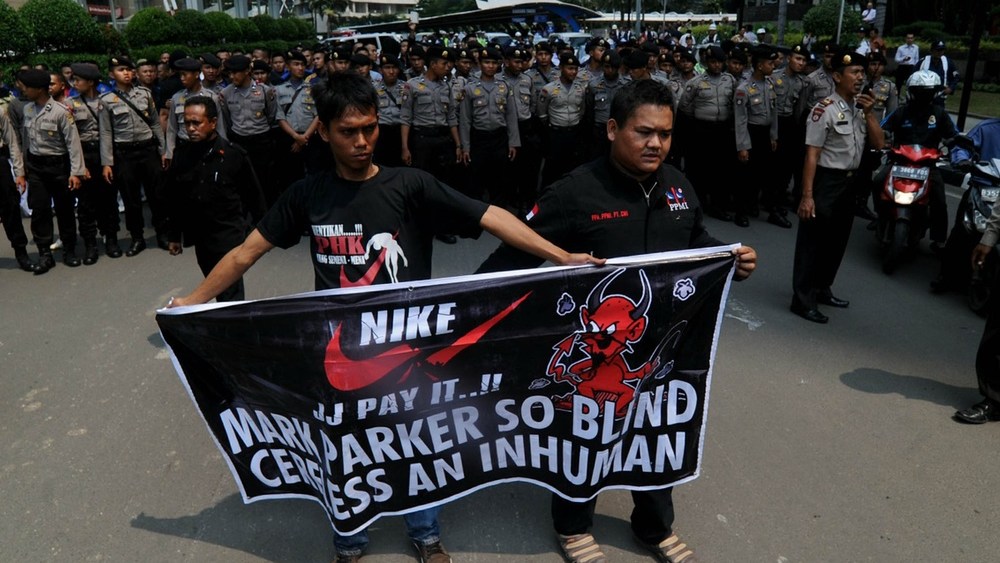
The Netherlands Authority for Consumers and Markets has agreed to investigate corporate social washing claimsthat is, the use of audits and certifications to create a misleading impression of ethical productionafter a new analysis by three Dutch civil-society groups found that fashion brands oft…
Source: WWD

AI News Q&A (Free Content)
Q1: What is social washing in the fashion industry, and how does it differ from greenwashing?
A1: Social washing in the fashion industry involves using audits and certifications to create a misleading impression of ethical production. This is similar to greenwashing, where organizations deceptively market their products as environmentally friendly. Both practices aim to portray a company as more responsible than it truly is, but social washing focuses on labor and ethical standards, while greenwashing targets environmental claims.
Q2: What prompted the Netherlands Authority for Consumers and Markets to investigate corporate social washing?
A2: The investigation was prompted by findings from three Dutch civil-society groups—SOMO, Consumentenbond, and Clean Clothes Campaign—which revealed that fashion brands often make broad ethical claims that are not substantiated by reality. These claims, such as 'no forced labor' and 'safe working environments,' are often based on unreliable commercial audits.
Q3: What are the potential consequences of social washing for consumers and workers?
A3: Social washing can mislead consumers into believing they are supporting ethical brands, while in reality, these brands may not uphold the standards they advertise. For workers, it means continued exploitation and labor abuses concealed by misleading audit reports. This practice profits the auditing and certification industry but harms both consumers and workers.
Q4: What are the new guidelines released by the Dutch Authority for Consumers and Markets regarding sustainability claims?
A4: The Dutch Authority for Consumers and Markets released updated guidelines on sustainability claims, incorporating feedback from companies and aligning with EU regulations. These guidelines set minimum requirements for substantiating sustainability claims and propose rules for verification and enforcement by independent verifiers. The aim is to prevent misleading claims and protect consumer interests.
Q5: How does the practice of social washing impact the credibility of corporate social responsibility initiatives?
A5: Social washing undermines the credibility of corporate social responsibility (CSR) initiatives by allowing companies to falsely claim ethical practices. This deception can lead to consumer skepticism towards genuine CSR efforts and diminish trust in the brands that engage in such practices.
Q6: What recent scholarly insights exist on social washing in the fashion industry?
A6: Recent scholarly insights indicate that social washing, like greenwashing, is a tactic used by companies to align themselves with ethical consumerism trends without making substantive changes. Studies emphasize the need for robust regulatory frameworks to ensure that companies are held accountable for their claims.
Q7: What measures can be taken to mitigate social washing in the fashion industry?
A7: To mitigate social washing, it is essential to establish stringent verification processes for ethical claims, enhance transparency in supply chains, and enforce stricter regulations. Consumer awareness campaigns can also play a role in educating the public about the realities behind brand claims.