
AI News Q&A (Free Content)
Q1: What are ultra-processed foods, and how are they classified under the Nova food classification system?
A1: Ultra-processed foods (UPFs) are industrially manufactured food products that typically undergo processes like moulding, extrusion, hydrogenation, or frying. The Nova classification system distinguishes UPFs from minimally processed and processed foods, focusing on ingredients and processing rather than nutritional content. UPFs include mass-produced baked goods, instant noodles, and diet products, often containing additives like preservatives and emulsifiers.
Q2: What is the proposed California bill regarding ultra-processed foods, and how might it impact grocery shopping?
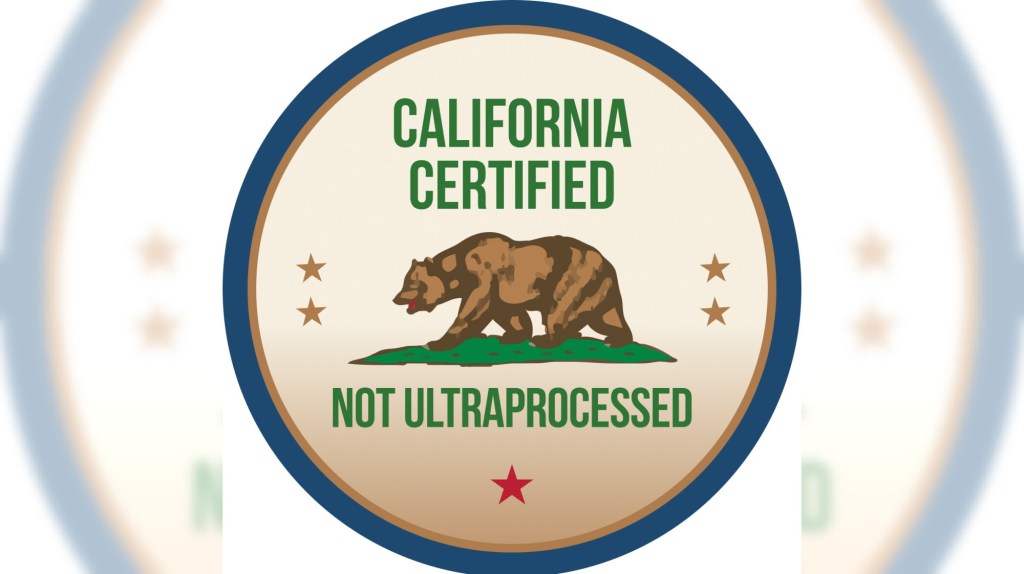
A2: The proposed California bill, Assembly Bill 2244, aims to label foods that are not ultra-processed with a 'California Certified' seal. This label would help consumers easily identify healthier options. The bill mandates prominent placement of these products in grocery stores, similar to the USDA Organic label, to make it easier for shoppers to make informed choices.
Q3: What are the potential health risks associated with ultra-processed foods, according to recent research?
A3: Recent studies link the consumption of ultra-processed foods to non-communicable diseases such as obesity, cancer, diabetes, and heart disease. A meta-analysis in The BMJ highlighted the association between UPFs and negative health outcomes, although it noted the lack of clear mechanisms explaining these effects.
Q4: How does the California bill aim to address the confusion between processed and ultra-processed foods?
A4: The California bill seeks to address consumer confusion by introducing a state-certified label for non-ultra-processed foods. This measure is intended to help consumers quickly identify healthier options, thereby reducing reliance on foods with chemically modified ingredients high in fat, sugar, or salt.
Q5: What are some common examples of ultra-processed foods under California's definition?
A5: Under California's definition, ultra-processed foods include items like sodas, packaged breads, and potato chips. Even foods generally considered healthy, such as salad kits and dressings, can contain additives that classify them as ultra-processed.
Q6: What criticisms exist regarding the concept of ultra-processed foods and the Nova classification system?
A6: Critics argue that the concept of ultra-processed foods is poorly defined and that the Nova classification system overly emphasizes the type of food instead of the quantity consumed. Concerns also include the lack of clarity on how UPFs specifically impact body systems.
Q7: How might the California Certified label influence food manufacturers and federal food labeling practices?
A7: The California Certified label could incentivize manufacturers to reformulate products to meet eligibility requirements for non-ultra-processed status. It may also set a precedent for federal food labeling practices, encouraging wider adoption of such transparency measures across the U.S.
References:
- Ultra-processed food
- California bill would put non-ultra-processed seal on food packaging
- Are ultra-processed foods too tasty? Toward a metabolic framework for diet and obesity.