Summary
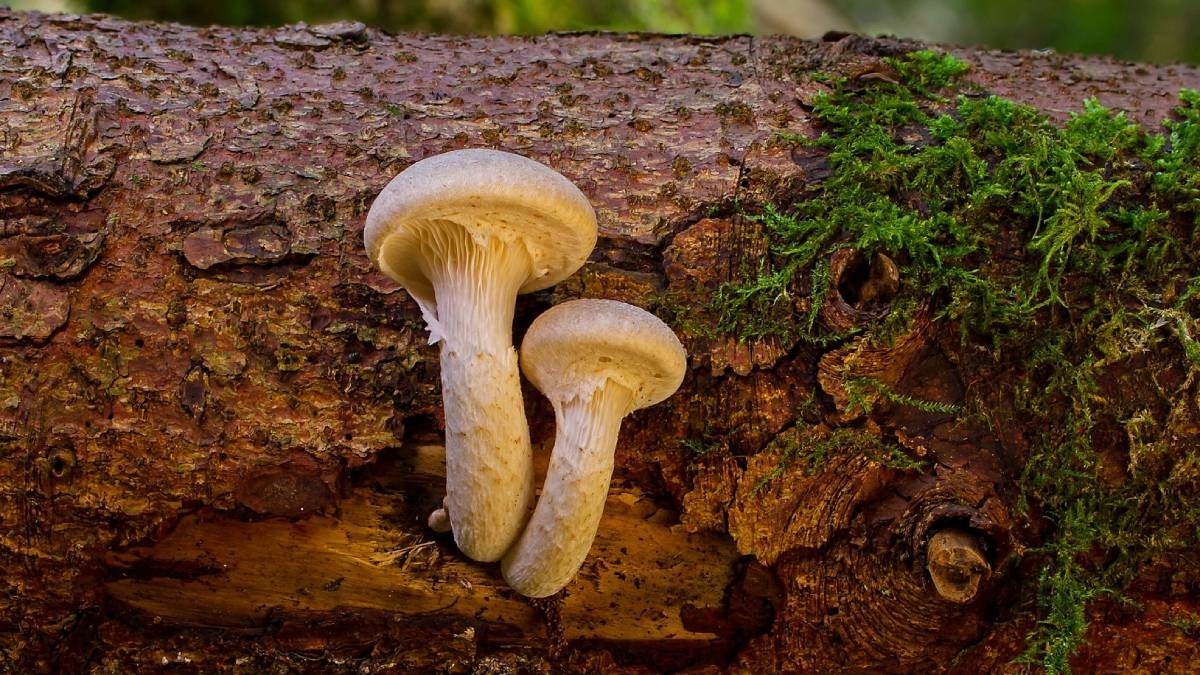
Are mushrooms vegetarian or non-vegetarian? The question often comes up because mushrooms are fungi, not plants. Heres the science behind mushrooms and why t…
Source: indiatoday.intoday.in

AI News Q&A (Free Content)
Q1: Are mushrooms considered vegetarian or non-vegetarian, and what is the scientific basis for this classification?
A1: Mushrooms are classified as vegetarian because they are fungi, not animals. Scientifically, mushrooms are part of the kingdom Fungi and are distinct from plants and animals. They do not possess animal characteristics, such as mobility or animal-based cell structures, which makes them suitable for vegetarian diets. Although they are not plants, their consumption does not involve animal harm, aligning with vegetarian principles.
Q2: What are the health benefits associated with consuming mushrooms, according to recent research?
A2: Recent studies highlight mushrooms as a rich source of nutrients and bioactive compounds with potential health benefits. They contain high levels of flavonoids, tannins, and phenols, which exhibit antioxidant properties. Mushrooms like Pleurotus ostreatus have been shown to modulate gene expression in bacteria, suggesting potential medicinal uses. These properties contribute to their recognition as nutraceuticals, offering both dietary and medicinal benefits.
Q3: Why might some vegans choose not to consume mushrooms, despite their classification as vegetarian?
A3: Some vegans might avoid mushrooms because they are not plant-based. Mushrooms share more genetic traits with animals than with plants, such as having cell walls made of chitin and membranes containing ergosterol. Additionally, the method of harvesting certain mushrooms, like truffles, involves animals, which some vegans oppose. However, mushrooms do not involve animal harm in their basic consumption, making them generally acceptable to most vegans.
Q4: How do mushrooms differ from plants in terms of their biological and nutritional characteristics?
A4: Biologically, mushrooms lack chlorophyll and do not perform photosynthesis like plants. Their cell walls contain chitin instead of cellulose, and they utilize ergosterol in their membranes, unlike plants. Nutritionally, mushrooms provide unique compounds not found in plants, such as specific amino acids and bioactive metabolites, contributing to their distinct role in diets.
Q5: What are the implications of mushrooms being classified as fungi for those adhering to a plant-based diet?
A5: For individuals on a plant-based diet, the classification of mushrooms as fungi means they are not strictly adhering to a 'plant' diet. However, since mushrooms do not belong to the animal kingdom and do not involve animal exploitation or harm, they are typically considered acceptable. Their inclusion in a plant-based diet is often based on nutritional value and ethical considerations, rather than strict botanical classification.
Q6: Can mushrooms serve as an alternative source of nutrients for those avoiding animal products, and what specific nutrients do they provide?
A6: Mushrooms can indeed serve as a valuable nutrient source for those avoiding animal products. They offer essential nutrients such as B vitamins (e.g., riboflavin and niacin), selenium, and dietary fiber. Additionally, mushrooms are low in calories and fat while providing protein, making them a suitable alternative for protein and nutrient intake in vegetarian and vegan diets.
Q7: How has the debate about the classification of mushrooms as vegetarian influenced consumer choices and dietary practices?
A7: The debate around whether mushrooms are vegetarian influences consumer choices by highlighting the distinctions between dietary preferences and biological classifications. This debate encourages individuals to consider the ethical, environmental, and health aspects of their diets. As mushrooms offer unique nutritional benefits and align with vegetarian ethics, they are widely accepted in vegetarian and increasingly in plant-based diets, influencing food industry practices to include more mushroom-based products.
References:
- Mushroom: https://en.wikipedia.org/wiki/Mushroom
- Are mushrooms vegetarian or non-vegetarian? Here’s the real answer: https://timesofindia.indiatimes.com/etimes/trending/are-mushrooms-vegetarian-or-non-vegetarian-heres-the-real-answer/articleshow/120073064.cms
- Why I Don't Eat Mushrooms: https://jenniferskitchen.com/why-i-dont-eat-mushrooms/
- Modulatory Effect of Oyster Culinary-Medicinal Mushroom Pleurotus ostreatus on uspA Gene Expression: https://pubmed.ncbi.nlm.nih.gov/