Summary
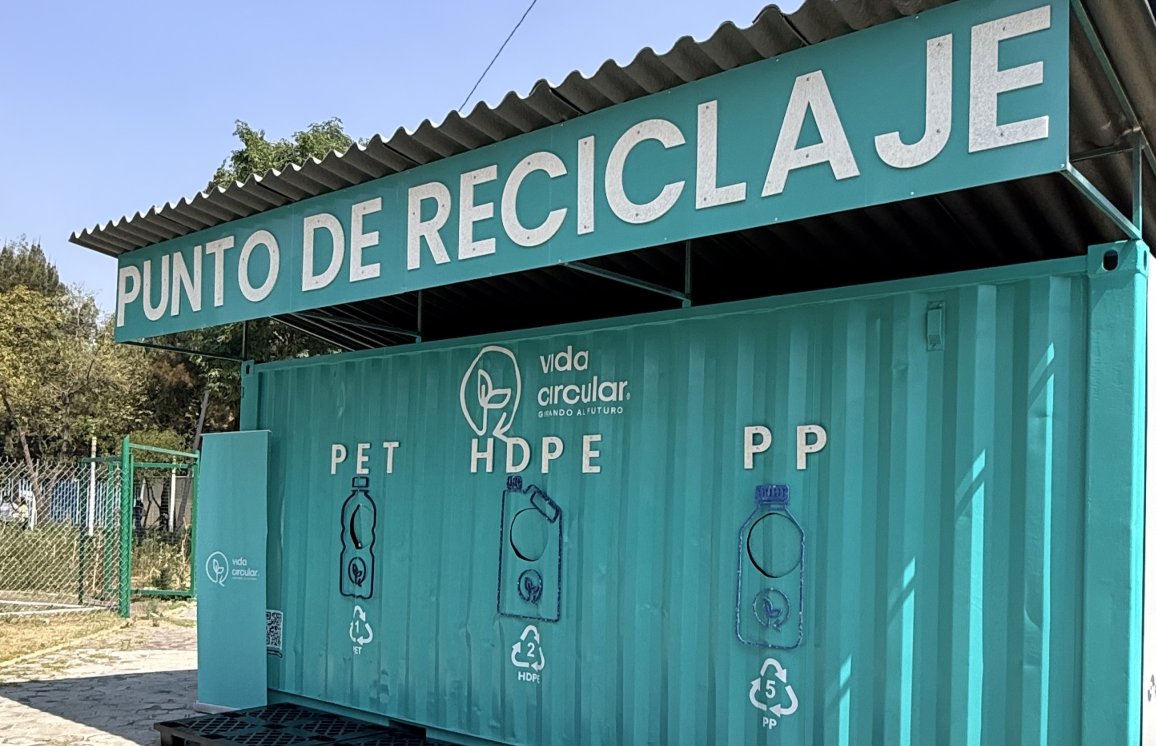
Abertis is making progress in promoting the circular economy, one of the main pillars of its sustainability strategy, which will extend until 2030. Following this roadmap, the group already recycles 80% of its waste, thanks to improvements in the sorting and recycling processes resulting from highwa…
Source: Diari ARA

AI News Q&A (Free Content)
Q1: What is the core principle behind the circular economy, and how does it differ from the traditional linear economy?
A1: The circular economy is based on a model of production and consumption that involves sharing, leasing, reusing, repairing, refurbishing, and recycling materials and products for as long as possible. This approach aims to extend the product life cycle and tackle global challenges like climate change, biodiversity loss, waste, and pollution. In contrast, the traditional linear economy follows a 'take, make, dispose' model that leads to resource depletion and environmental degradation.
Q2: How has Abertis integrated circular economy principles into its operations?
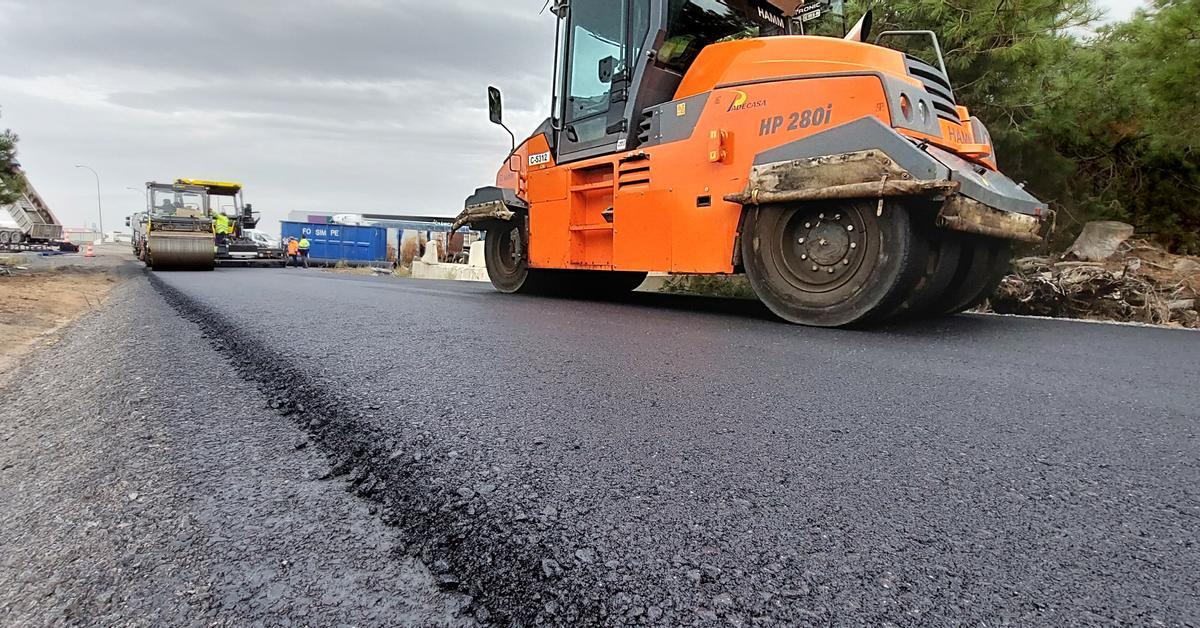
A2: Abertis has adopted a circular economy mentality by using recycled materials, such as Recycled Asphalt Pavement (RAP), in maintenance works. In 2023, the company saw a significant increase in the use of recycled materials, demonstrating their commitment to sustainability. They also provide sustainability training to employees and senior management, emphasizing the importance of integrating ESG impacts into their infrastructure business.
Q3: What are the environmental benefits of implementing circular economy strategies in sectors like cement, aluminum, and steel?
A3: Implementing circular economy strategies in sectors such as cement, aluminum, and steel can significantly reduce global emissions. Estimates suggest that applying these strategies in just five key sectors—cement, aluminum, steel, plastics, and food—could cut CO2 emissions by 9.3 billion metric tons, akin to the current emissions from the entire transportation sector. This reduction helps combat climate change and supports sustainable growth.
Q4: What scholarly insights have been identified regarding the intersection of circular economy and industrial ecology?
A4: Recent scholarly research highlights the intertwined nature of circular economy and industrial ecology concepts. These studies suggest that combining circular economy strategies with industrial ecology tools and indicators can enhance sustainable development. This integration helps policymakers and industries develop comprehensive strategies for monitoring and promoting sustainable practices.
Q5: How is waste detection and classification being innovated to support the circular economy?
A5: Innovative approaches using Artificial Intelligence have been developed to detect and classify waste more efficiently. For example, a research project created an open-source framework that utilizes neural networks to identify and categorize waste into seven distinct types. This technology achieves up to 75% classification accuracy, aiding in waste management and promoting recycling efforts essential for a circular economy.
Q6: What are Abertis' achievements in reducing greenhouse gas emissions through circular economy practices?
A6: Abertis has made significant strides in reducing its greenhouse gas emissions by prioritizing the use of recycled materials and reducing electricity consumption. In 2023, the company increased its use of electricity from renewable sources to 65.5%, contributing to a substantial reduction in Scope 2 emissions. These efforts align with their validated emission reduction targets from the Science Based Targets Initiative.
Q7: What role do business models play in advancing the circular economy, according to recent studies?
A7: Business models are crucial in transitioning from linear to circular processes. Models such as product-as-a-service, sharing platforms, and product life extension are designed to optimize resource use, reduce waste, and create value for businesses and customers. These models support the overarching goals of the circular economy by fostering sustainable consumption and production practices.
References:
- Page: Circular economy
- Page: China's circular economy
- Title: Waste detection in Pomerania: non-profit project for detecting waste in environment
- Title: Towards a Circular Economy via Intelligent Metamaterials
- Title: How circular economy and industrial ecology concepts are intertwined? A bibliometric and text mining analysis