Summary
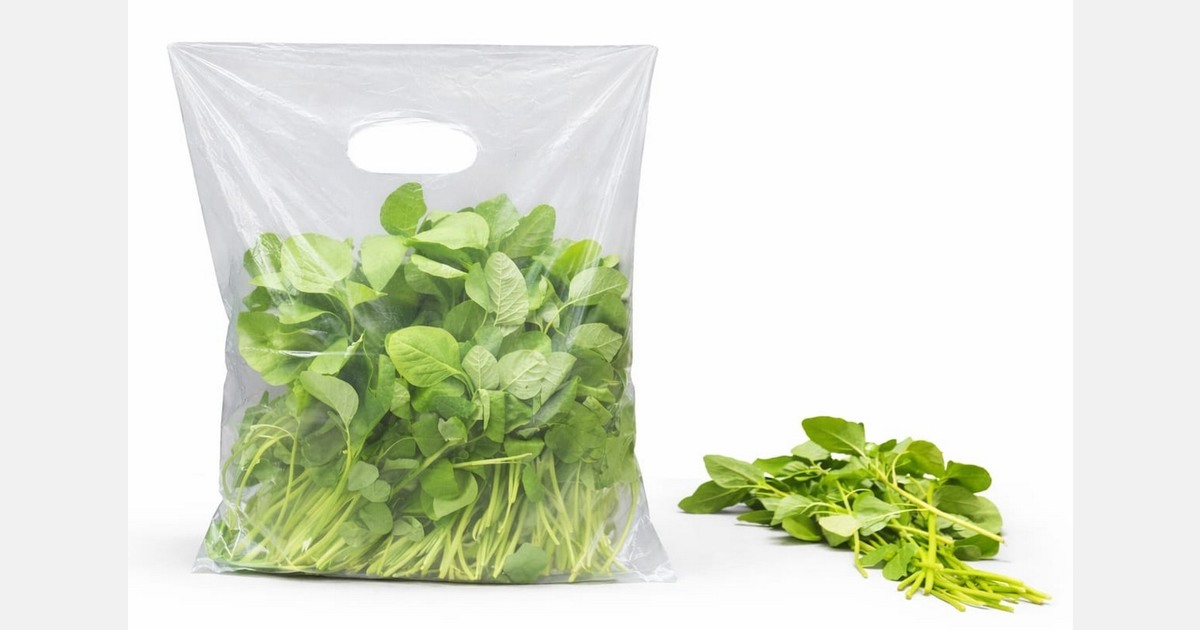
Highly perishable produce, like leafy greens, can benefit greatly from packaging to extend the shelf life, says Dr. Moturu, CEO and Co-Founder of fresh produce packaging manufacturer PeelON.inc: Fresh produce supply chains have long depended on cold storage to maintain quality, especially for highl…
Source: FreshPlaza

AI News Q&A (Free Content)
Q1: What are the main objectives of the new packaging approach for leafy greens being tested by PeelON Inc.?
A1: The main objectives of the new packaging approach by PeelON Inc. are to extend the shelf life of leafy greens, reduce food waste, and improve supply chain efficiency. This is achieved by creating a microclimate within the packaging that regulates moisture levels, gas exchange, and surface conditions, thereby slowing down the natural deterioration of high-respiration crops like leafy greens.
Q2: How does the new BOPP film developed for fresh produce packaging contribute to sustainability?
A2: The new BOPP film contributes to sustainability by reducing environmental impacts associated with food waste. It extends the shelf life of fresh produce, consequently lowering the need for additional production, transportation, and replacement shipments. The film is also printable, allowing for branding and product information, which enhances its utility in the supply chain.
Q3: What are some innovative aspects of smart conducting polymers in food packaging?
A3: Smart conducting polymers in food packaging feature antimicrobial agents and sensors for real-time contamination detection. These polymers are integrated with nanomaterials to enhance antimicrobial efficacy, reducing bacterial growth by up to 90% and extending the shelf life of various foods. Additionally, they reduce oxidative spoilage in nuts and dried fruits by up to 85% and maintain the quality of leafy greens for up to 3 weeks under suboptimal conditions.
Q4: What are the economic impacts of adopting innovative packaging solutions for leafy greens?
A4: Innovative packaging solutions for leafy greens can significantly reduce losses across distribution networks by extending shelf life, which decreases spoilage and waste. This can lead to cost savings in production, transportation, and storage, while also potentially increasing profitability by maintaining product quality and extending market reach.
Q5: What role does cold storage play in the traditional supply chain for leafy greens, and how does the new packaging approach differ?
A5: In the traditional supply chain, cold storage is crucial for maintaining the quality of perishable items like leafy greens by slowing down spoilage. The new packaging approach, however, aims to supplement or reduce reliance on cold storage by actively managing the internal environment of the package to extend shelf life even at room temperature.
Q6: How do integrated design and careful planning contribute to successful Controlled Environment Agriculture (CEA) projects?
A6: Integrated design and careful planning in CEA projects ensure that technologies are synchronized across the production chain. By designing greenhouses, hydroponic systems, packaging, and logistics as a single operational platform, projects can optimize efficiency and performance, reducing the likelihood of setbacks and increasing the chances of success.
Q7: What are the latest advancements in food packaging technologies as highlighted by recent scholarly articles?
A7: Recent advancements in food packaging technologies focus on integrating smart coatings with antimicrobial properties and real-time sensors to combat microbial growth. These innovations use conducting polymers combined with nanomaterials, extending the shelf life of perishables and reducing the carbon footprint of packaging solutions.
References:
- A new packaging approach for leafy greens is being tested - FreshPlaza
- New BOPP film developed for fresh produce flow wrap packaging - FreshPlaza
- Smart conducting polymer innovations for sustainable and safe food packaging technologies
- Comprehensive Reviews in Food Science and Food Safety
- Integrated design and careful planning: a collaborative path to successful CEA projects - FreshPlaza