Summary
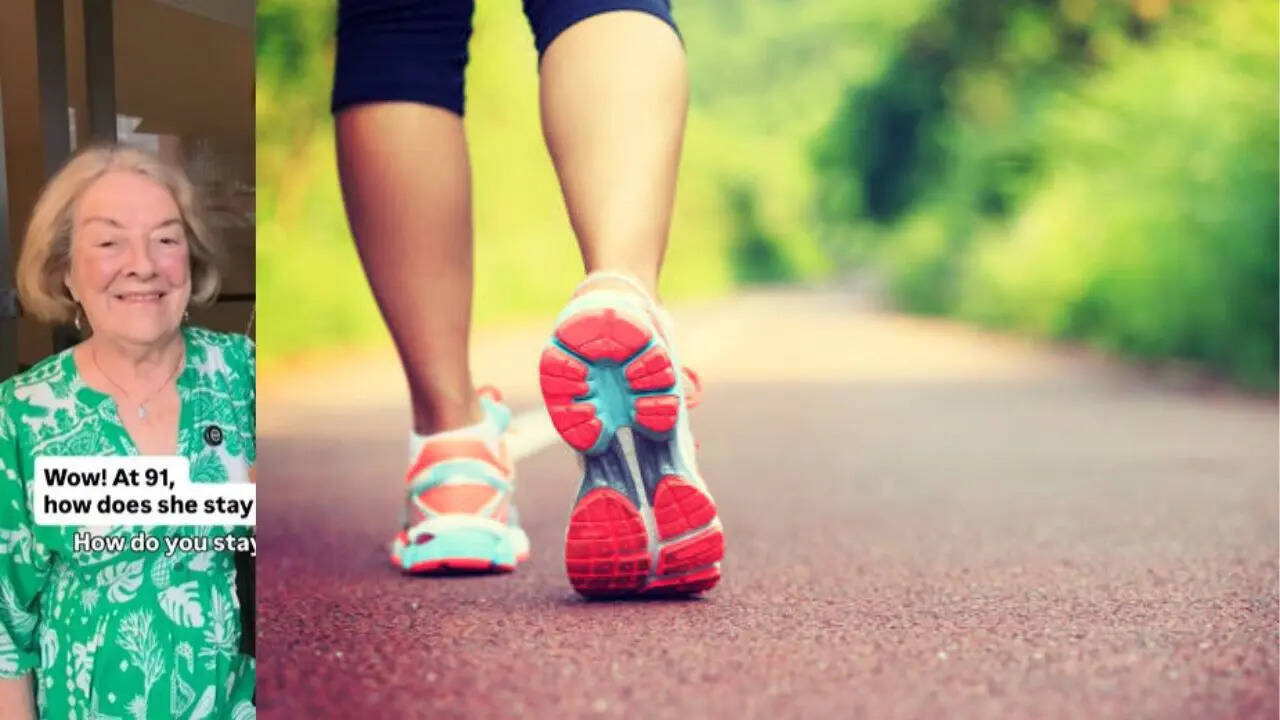
A 91-year-old Australian woman has gone viral for her disciplined fitness routine, which includes briskly walking 12,000 steps daily, swimming twice a week, and practicing yoga and Pilates. She credits consistency and staying socially connected for her vitality, highlighting how movement and community together support long-term physical and mental health.
Source: Times Now News

AI News Q&A (Free Content)
Q1: What are the key components of the 91-year-old Australian woman's fitness routine that gained viral attention?
A1: The 91-year-old Australian woman follows a disciplined fitness routine that includes walking 12,000 steps daily, swimming twice a week, and practicing yoga and Pilates. She emphasizes the importance of consistency and maintaining social connections to support both physical and mental health.
Q2: How does regular exercise contribute to longevity in the elderly, according to recent studies?
A2: Recent studies indicate that regular exercise in the elderly can significantly enhance longevity. A research article titled 'Muscular Strength and Mortality in Women Aged 63 to 99 Years' highlights that greater muscular strength is associated with lower mortality rates. This study suggests that physical activity, along with strength exercises, plays a critical role in maintaining functional independence and reducing mortality risks among older adults.
Q3: What are some health benefits of combining activities like swimming, yoga, and Pilates for seniors?
A3: Combining activities such as swimming, yoga, and Pilates provides numerous health benefits for seniors. These activities improve cardiovascular health, enhance flexibility and balance, reduce stress, and promote mental well-being. They also help in maintaining muscle strength and joint health, which are crucial for preventing falls and ensuring a higher quality of life in old age.
Q4: What role does social connectivity play in the health and longevity of seniors?
A4: Social connectivity plays a vital role in the health and longevity of seniors. Studies have shown that social interactions can reduce feelings of loneliness and isolation, which are common in old age. Engaging in community activities and having a network of friends and family can improve mental health, provide emotional support, and encourage healthier lifestyles, thereby contributing to increased longevity.
Q5: What insights does the concept of 'qigong' provide in the context of senior health and fitness?
A5: Qigong, a practice involving coordinated body movements, breathing, and meditation, is known for promoting health and longevity, especially among seniors. It helps in balancing the life-force energy, enhancing physical and mental health, and reducing stress. Its slow and deliberate movements can be particularly beneficial for seniors, aiding in relaxation, improving concentration, and fostering overall well-being.
Q6: How do modern medical studies view the impact of muscular strength on senior citizens' mortality rates?
A6: Modern medical studies, such as those documented in the 'Muscular Strength and Mortality in Women Aged 63 to 99 Years' study, find a strong inverse relationship between muscular strength and mortality rates in senior citizens. Maintaining muscular strength through regular exercise can lower the risk of mortality by enhancing resilience, boosting immunity, and supporting independence in daily activities.
Q7: What are the challenges faced by seniors in maintaining a consistent fitness routine, and how can they overcome them?
A7: Seniors often face challenges such as health issues, mobility limitations, and lack of motivation in maintaining a consistent fitness routine. Overcoming these challenges involves setting realistic goals, seeking support from family and friends, utilizing community resources, and adapting exercises to suit individual abilities. Finding enjoyable activities and gradually increasing exercise intensity can also help seniors stay committed to their fitness routines.
References:
- Old age - https://en.wikipedia.org/wiki/Old_age
- Health - https://en.wikipedia.org/wiki/Health
- Muscular Strength and Mortality in Women Aged 63 to 99 Years - https://pubmed.ncbi.nlm.nih.gov/33262219/