Summary
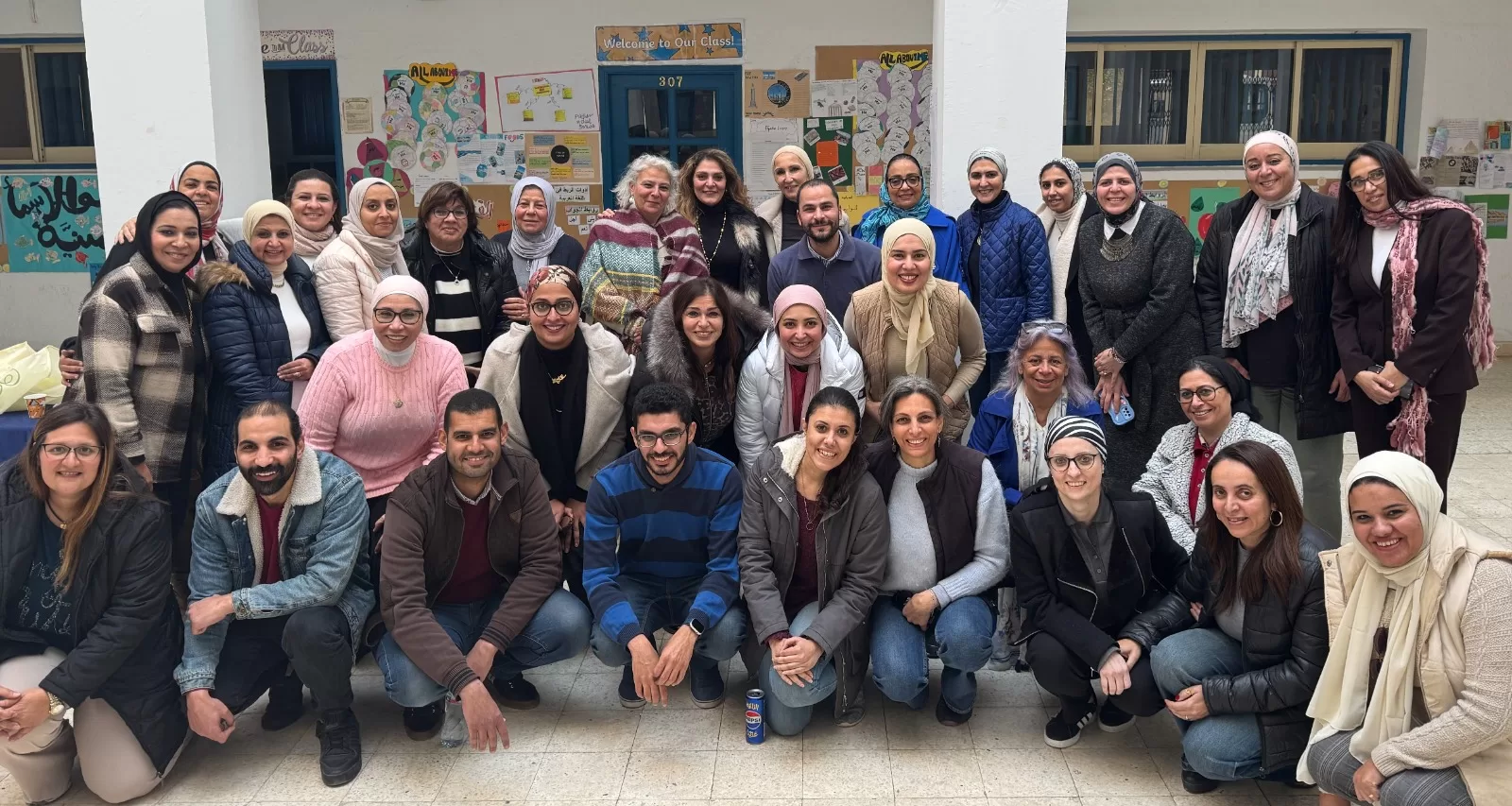
Two groundbreaking teacher-led studies supported by the British Councils Action Research Grants Programme are setting a new benchmark for how schools in Egypt and globally, can integrate digital behaviour, artificial intelligence (AI), and emotional wellbeing into modern teaching. Conducted at Rams…
Source: Egyptian Gazette

AI News Q&A (Free Content)
Q1: How are Egyptian schools integrating ethical AI and social media into education, and what are the expected benefits?
A1: Egyptian schools are pioneering the integration of ethical AI and social media to enhance student focus, wellbeing, and engagement. This initiative is supported by the British Councils Action Research Grants Programme and aims to set a benchmark for global education systems. The expected benefits include improved digital behavior, enhanced emotional wellbeing, and a more engaging learning environment.
Q2: What ethical challenges does AI integration pose in K-12 STEM education, and how can they be addressed?
A2: AI integration in K-12 STEM education presents ethical challenges such as algorithmic bias, privacy erosion, and educational inequities. Addressing these requires a framework that emphasizes equity-centered design and ethical reasoning. Recommendations include mandatory bias audits, low-resource adaptation strategies, and policy alignment to ensure AI is used inclusively and equitably.
Q3: What role does the 'Egyptian Charter for Responsible AI' play in the ethical use of AI in education?
A3: The 'Egyptian Charter for Responsible AI' provides guidelines for the ethical development and management of AI systems tailored to Egypt's context. It emphasizes the importance of human decision-making in AI usage, highlighting ethical and social considerations. This charter aims to ensure AI's responsible integration in education, aligning with Egypt's National AI Strategy.
Q4: How can Explainable AI (xAI) contribute to reducing biases in educational AI applications?
A4: Explainable AI (xAI) can help reduce biases in educational AI applications by making AI decision-making processes more transparent. This transparency allows educators to identify and address biases that could impact students' educational opportunities, ensuring fairness and equal access to educational resources.
Q5: What are the main components of Egypt's AI guide for universities, and how does it aim to enhance education?
A5: Egypt's AI guide for universities includes components like ethical AI education integration, AI ethics training for faculty and students, and compliance with data protection laws. It aims to enhance education by establishing a framework for the responsible and effective use of AI technologies, improving the quality of education, and positioning Egypt as a leader in AI usage in education.
Q6: What are some potential drawbacks of AI in education, and how can they be mitigated?
A6: Potential drawbacks of AI in education include reduced critical thinking, over-reliance on technology, and the perpetuation of misinformation. These can be mitigated by promoting AI literacy, ensuring equitable access, and maintaining a balance between technology use and traditional teaching methods to foster critical thinking and independent learning.
Q7: How does the integration of AI and social media in education align with Egypt's Vision 2030?
A7: The integration of AI and social media in education aligns with Egypt's Vision 2030 by enhancing educational quality through ethical and responsible AI use. This approach supports the vision's goals of improving educational outcomes and fostering innovation, ensuring that Egypt's educational system is globally competitive and inclusive.
References:
- Need of AI in Modern Education: in the Eyes of Explainable AI (xAI)
- Integration of AI in STEM Education, Addressing Ethical Challenges in K-12 Settings