Summary
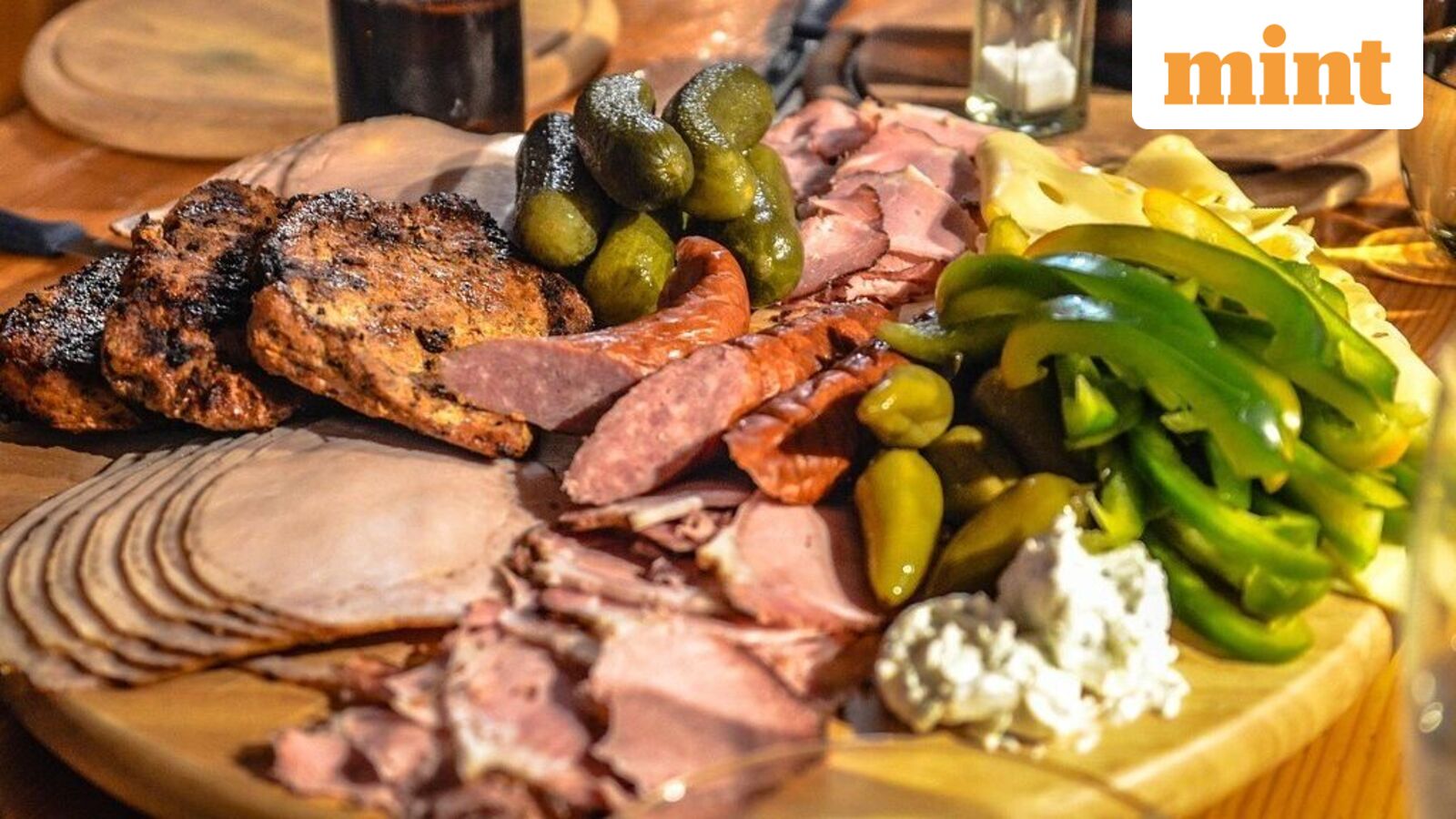
Companies like Licious and Zappfresh report that boneless meat commands a premium due to convenience, changing how meat is processed and marketed, despite tradi…
Source: livemint.com

AI News Q&A (Free Content)
Q1: What are the recent trends in the boneless meat market in the United States as of 2023?
A1: The boneless meat market in the United States has seen growing demand, particularly for fresh or chilled boneless bovine meat, which increased by 11.1% CAGR from 2019 to 2023. In 2023, the top three categories were fresh or chilled bovine boneless (286.2 thousand tonnes), fresh or chilled bovine cuts (33.8 thousand tonnes), and frozen boneless bovine (21.7 thousand tonnes). This trend reflects a consumer preference for convenience and portioned meat products.
Q2: How have consumer behaviors towards poultry changed in 2023, and what demographic is driving these changes?
A2: In 2023, millennials are leading the demand in the poultry market, particularly favoring sustainable packaging. This demographic tends to purchase meat in supercenters and club stores. Despite inflation concerns impacting consumer behavior, the demand for chicken and turkey continues to grow, driven by sustainability and convenience factors.
Q3: What are the implications of blockchain technology in agriculture and food supply chains?
A3: Blockchain technology promises a more transparent food supply chain by facilitating financial transactions without intermediaries. However, its adoption in agriculture and food supply chains is challenged by technical, educational, policy, and regulatory barriers. Despite these challenges, ongoing initiatives suggest blockchain's potential to revolutionize food transparency and safety.
Q4: What health concerns are associated with processed meat, and what steps are being taken to mitigate these risks?
A4: Processed meats are linked to health risks due to high salt and nitrite content, which can lead to increased growth of pathogens like Clostridium botulinum. Efforts to mitigate these risks include developing assays like the real-time PCR for detecting pathogens in reduced salt and nitrite meat products, aiming to ensure consumer safety while maintaining product quality.
Q5: How do consumers perceive food delivery applications in India, and what factors influence their satisfaction?
A5: Consumer satisfaction with food delivery apps in India is significantly influenced by restaurant variety and user-friendly application design. While food packaging quality does not greatly impact satisfaction, a diverse restaurant selection and a well-designed user interface enhance user experience and app engagement.
Q6: What role does the price gap between chicken breast and thighs play in consumer purchasing decisions?
A6: The price gap between chicken breast and thighs affects consumer choices, with thighs being a cost-competitive alternative to chicken breast. This price sensitivity is heightened by inflation fatigue, leading consumers to opt for more economical options like thighs, which offer similar nutritional benefits.
Q7: How does the use of cultured meat fit into current consumer trends for convenience and sustainability?
A7: Cultured meat aligns with consumer trends for convenience and sustainability as it provides a meat alternative with reduced environmental impact. The industry, though still developing, is seeing increased interest and investment, highlighting a growing consumer shift towards sustainable and ethical food options.
References:
- Evaluation of Consumer Behavior Regarding Food Delivery Applications in India
- Development and validation of a quantitative real-time PCR assay for the enumeration of Clostridium sporogenes in NaCl- and nitrite-reduced meat products
- The Rise of Blockchain Technology in Agriculture and Food Supply Chains